What is jet lag?

Jet lag is one of the most misunderstood problems in travel, fueled by old myths, misguided advice from non-experts, and false product claims. Below, the real science — and what actually works.
What is jet lag?
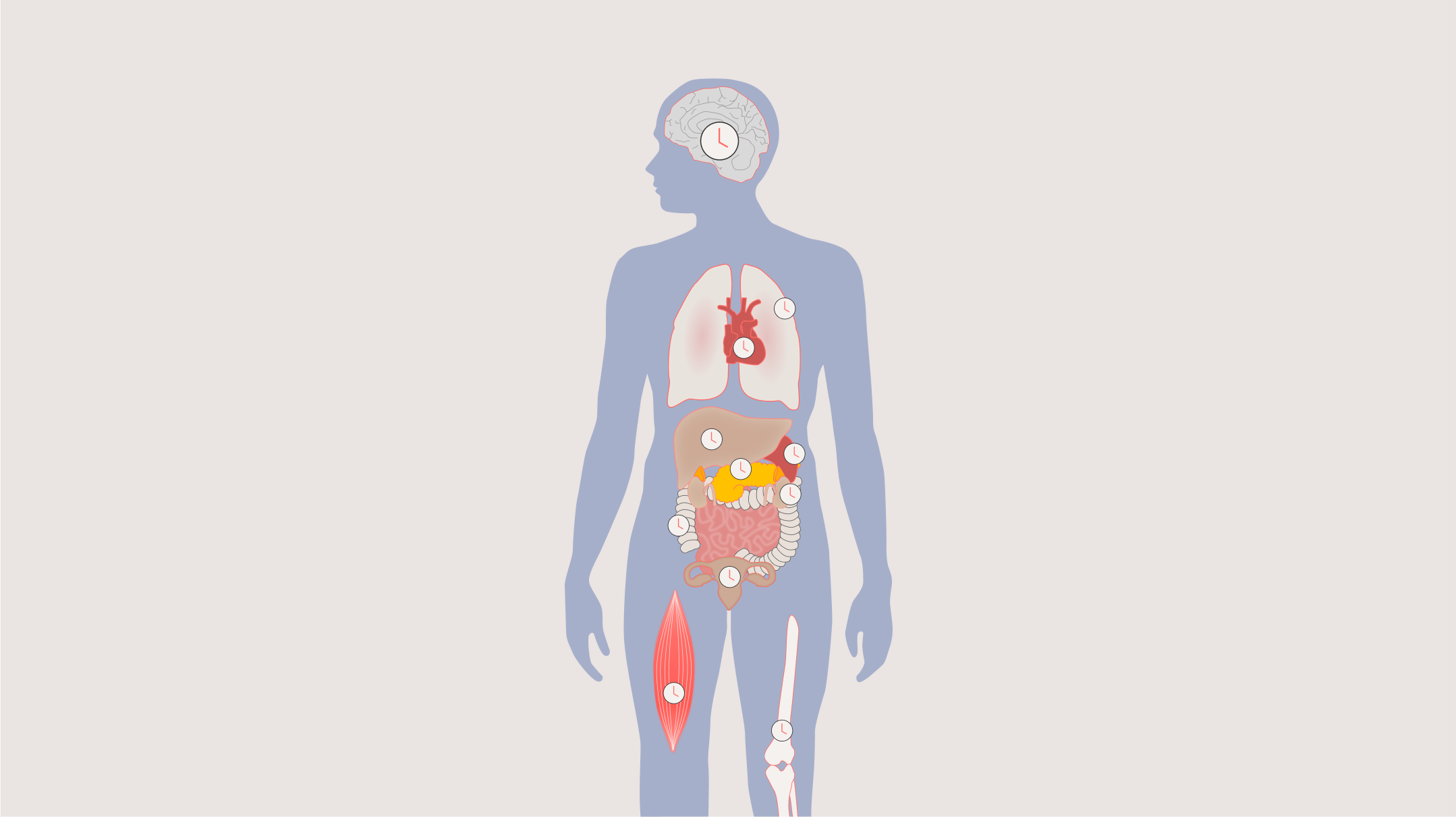
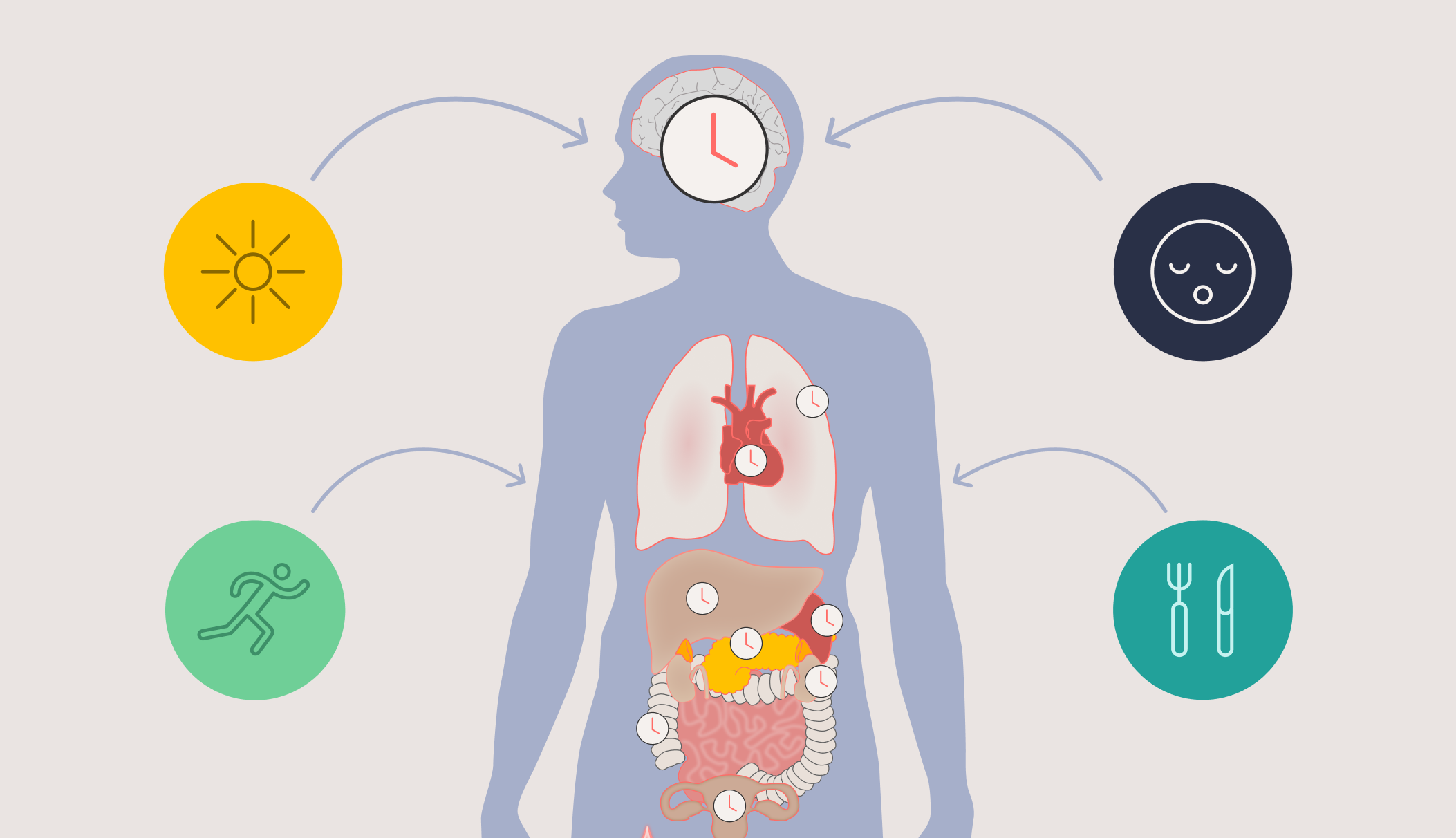
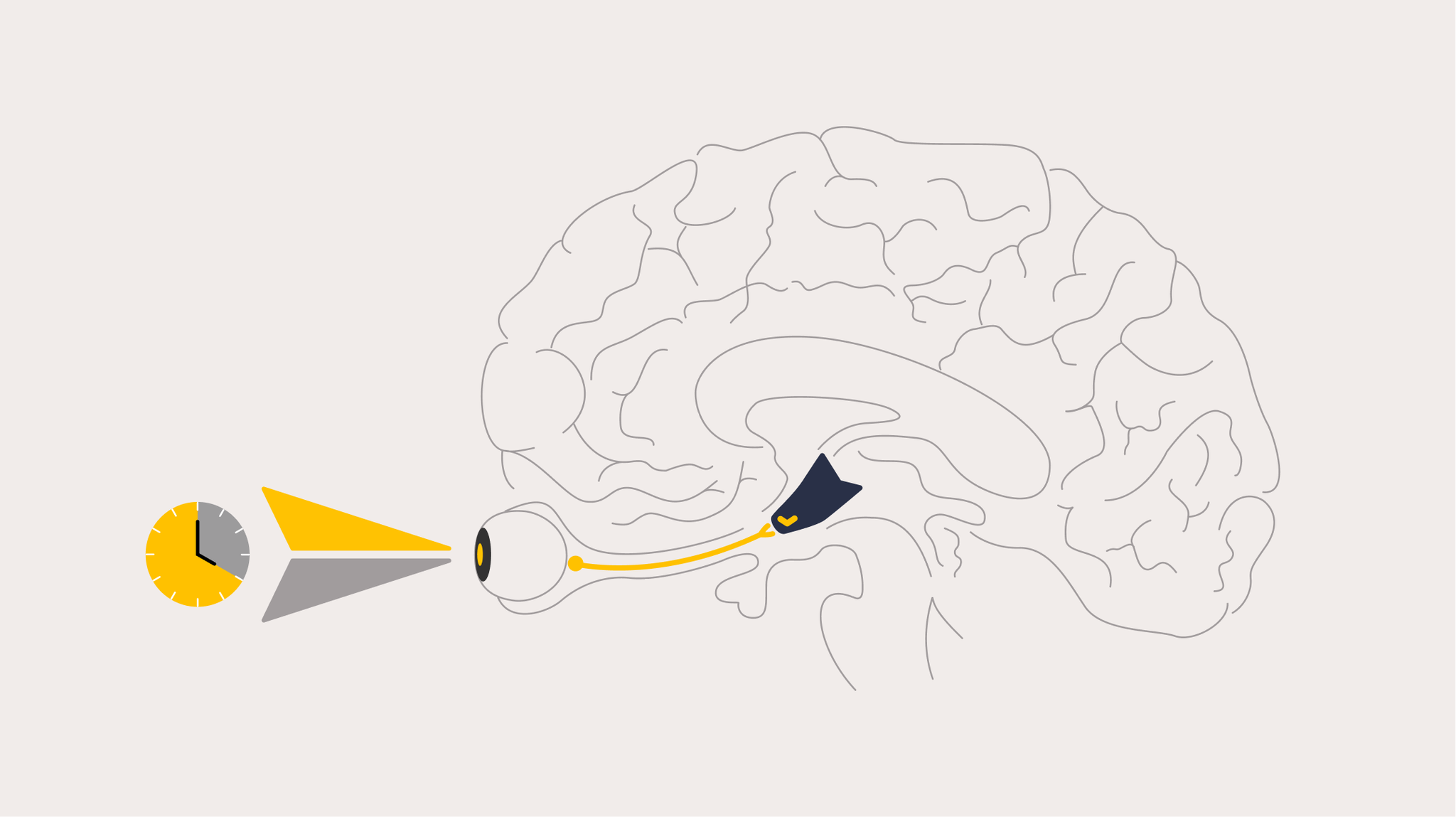
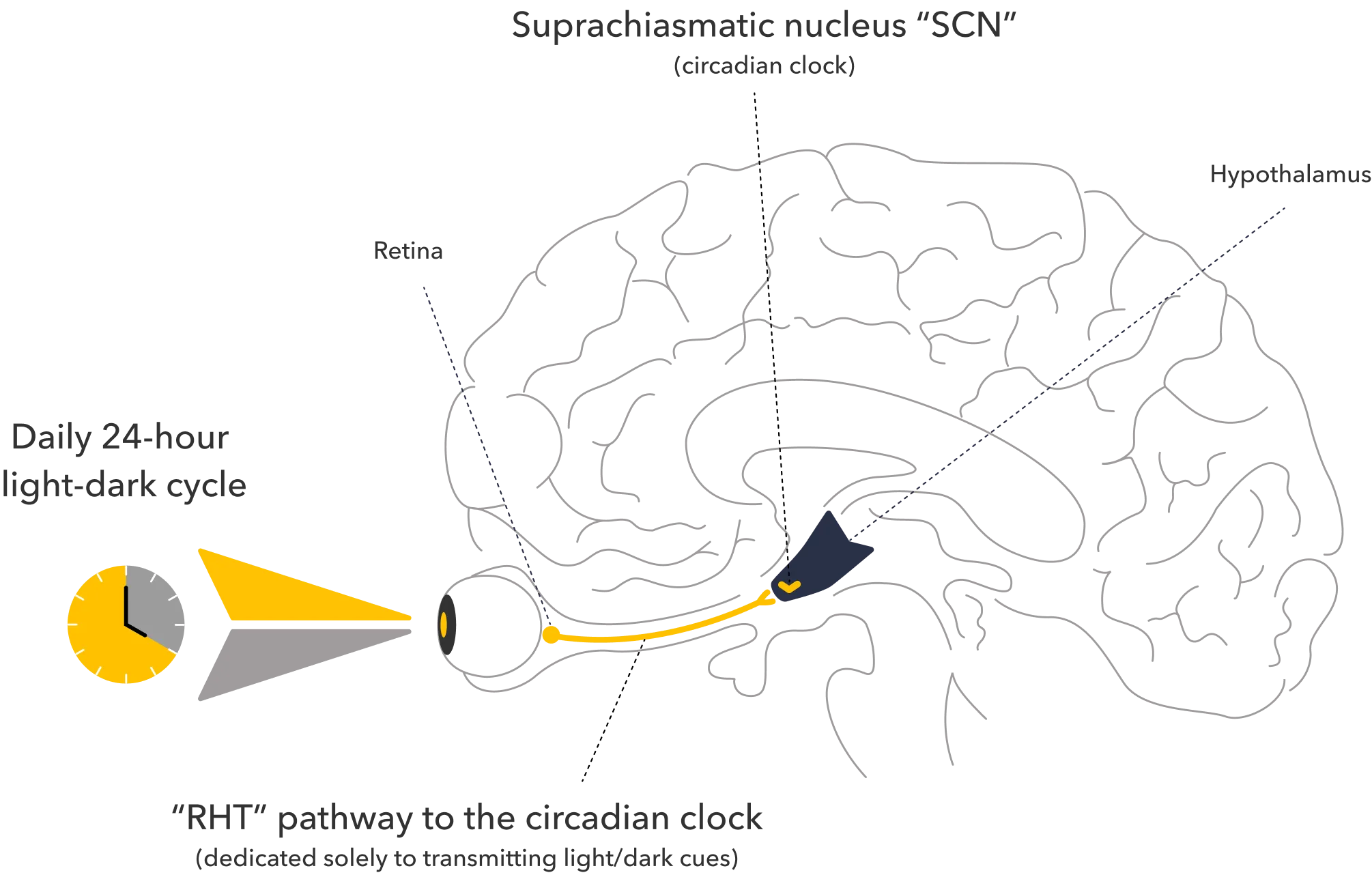
In your brain, you have a central circadian clock located in the suprachiasmatic nucleus (SCN) — a group of around 50,000 cells in the hypothalamus. Jet lag is caused when the sleep-wake and light-dark cycle shift too quickly for this circadian clock to keep up.
What causes jet lag?
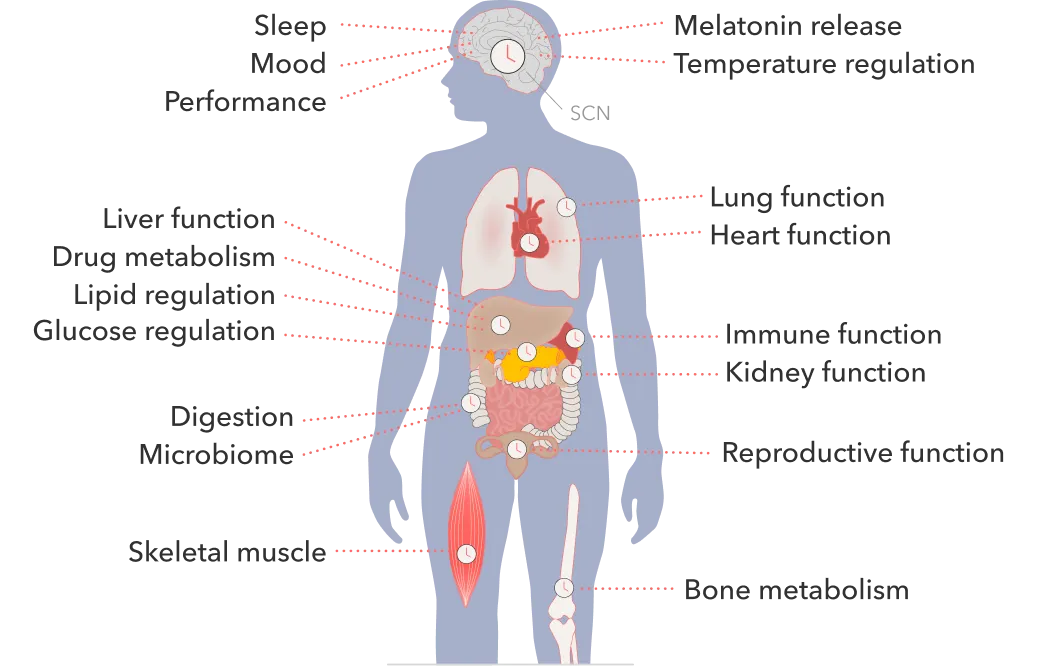
Your central circadian clock regulates your sleep, alertness, hormones, body temperature, digestion, immune function, and dozens of other systems, all kept synchronized to a 24-hour day. It uses light and darkness as its main cues. When the sun comes up, the circadian clock knows it's morning.
When you fly across time zones, you disrupt your circadian clock. The light-dark cycle has shifted by hours, but the circadian clock can only adjust by about an hour per day on its own. Fly from New York to Tokyo and cross 13 time zones, and your clock takes roughly two weeks to fully catch up. In the meantime, your entire biology is disconnected from your schedule in the new time zone – which is why you feel exhausted at the wrong times, can't sleep when you want to, food doesn't sit right, and your concentration is off.
Is jet lag worse going east or west?
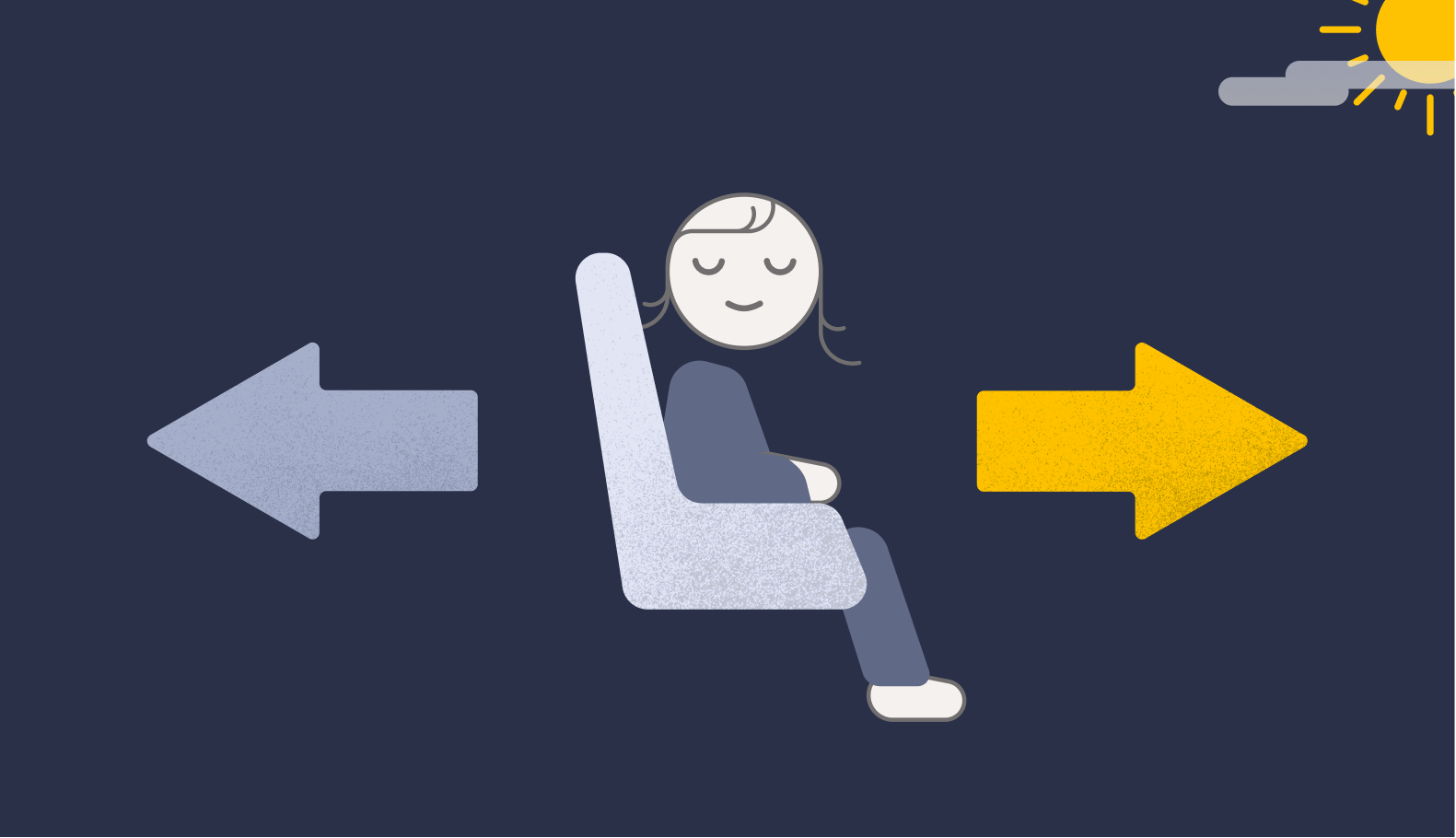
For most people, going east is harder than going west, and recovery takes longer for an eastward trip of the same distance.
The reason is in the circadian clock itself. The average human circadian clock runs slightly long – a bit over 24 hours – so delaying sleep is naturally easier than advancing it. Going west asks your body to stay up later, which it's already inclined to do. Going east asks it to fall asleep earlier, which it's not.
A minority of people have a shorter-than-24-hour circadian clock and find the opposite – eastward travel feels easier and westward harder. But for the typical traveler, plan for a longer recovery heading east.
Jet lag symptoms
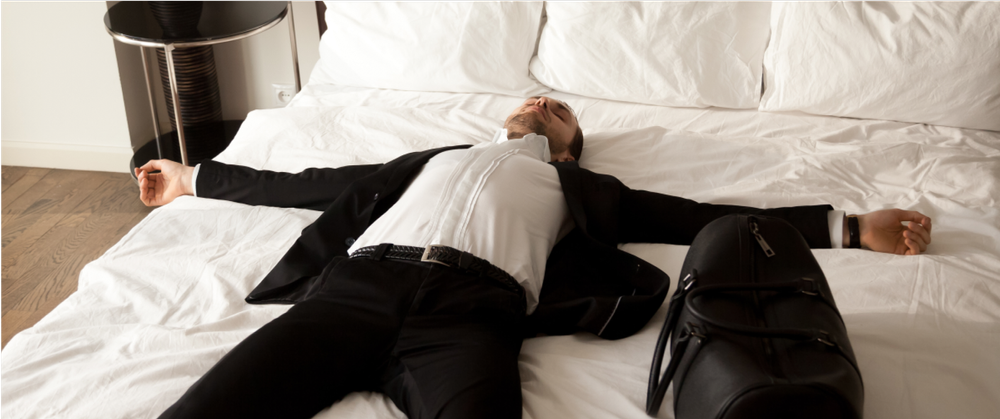
Jet lag affects far more than just sleep – it causes a wide range of symptoms:
- Difficulty falling asleep or staying asleep through the night
- Daytime sleepiness, fatigue, and difficulty staying awake
- Poor concentration, memory problems, and impaired decision-making
- Reduced physical and mental performance
- Mood changes – irritability, anxiety, or low mood
- Gastrointestinal problems including indigestion, constipation, or diarrhea
- Headache and general malaise
- Weakened immune function and increased susceptibility to illness
- Slower physical recovery and reduced exercise capacity







How long does jet lag last?
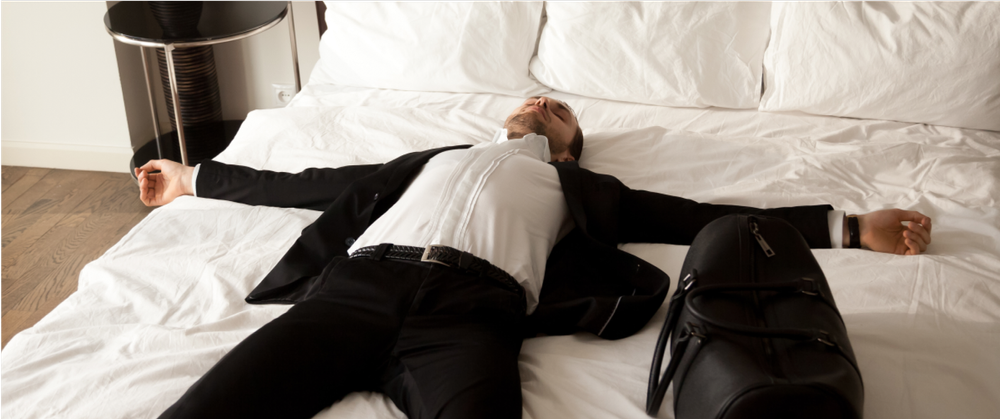
As a rule of thumb, jet lag lasts approximately one day for every time zone crossed. A trip from New York to London (5 time zones east) typically causes jet lag for about 5 days. A trip from Los Angeles to Tokyo can cause symptoms for over a week.
But several factors affect how long your jet lag lasts:
- Direction of travel: Eastward travel typically takes about 50% longer to recover from than westward travel of the same distance, because most people's internal clocks find it easier to delay than to advance.
- Number of time zones crossed: Recovery time scales roughly linearly. Crossing 1-2 time zones may cause only a day or two of mild symptoms; crossing 8-10 can cause more than a week.
- Your chronotype: Morning types generally recover faster from westward travel; evening types often recover faster from eastward travel.
- Age and individual variation: Older adults often experience slower circadian adjustment. Genetic differences in clock period also affect recovery speed.
- Whether you intervene correctly: With properly timed light exposure and light avoidance, the circadian clock can shift 3–4 hours per day rather than 1 hour.
Without intervention, jet lag lasts approximately one day per time zone crossed. With correctly timed light exposure, light avoidance, and melatonin, the circadian clock can shift up to 3–4 hours per day, dramatically reducing recovery time.
How to get over jet lag quickly?
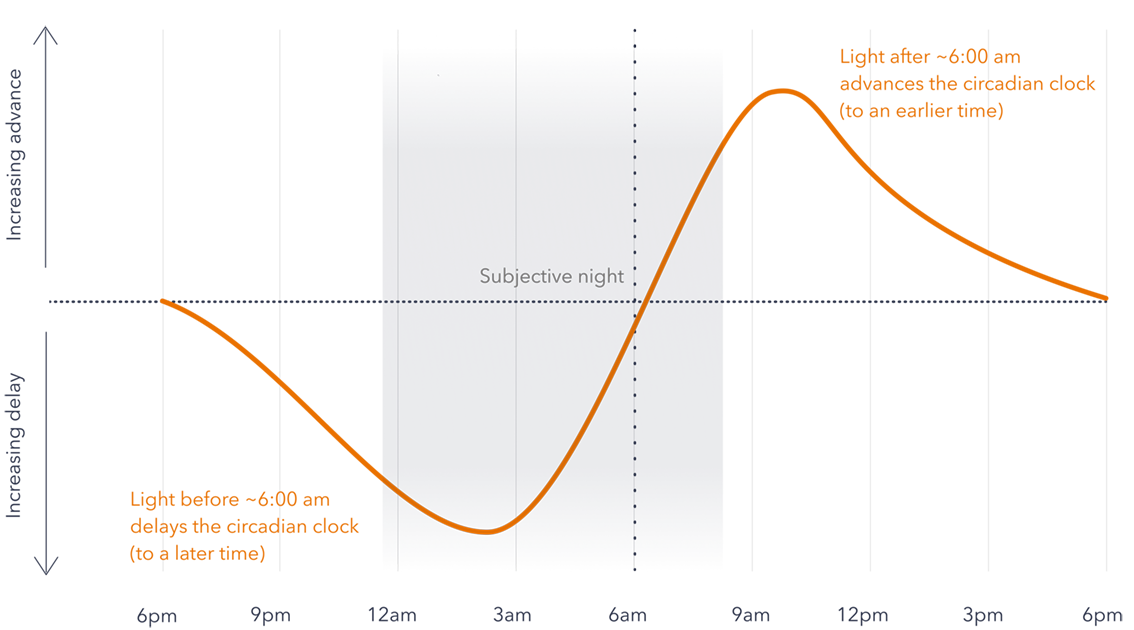
There's only one way to actually get rid of jet lag quickly: Individually-timed light exposure and light avoidance to reset your circadian clock to the new time zone. The correct type, dose, and timing of melatonin can support that shift, but melatonin alone won't get you there. Seeing light at the wrong time – as often recommended by non-experts – will make your jet lag worse. Most popular advice – sleeping pills, hydration, special diets, exercise – does nothing to address the underlying circadian misalignment.
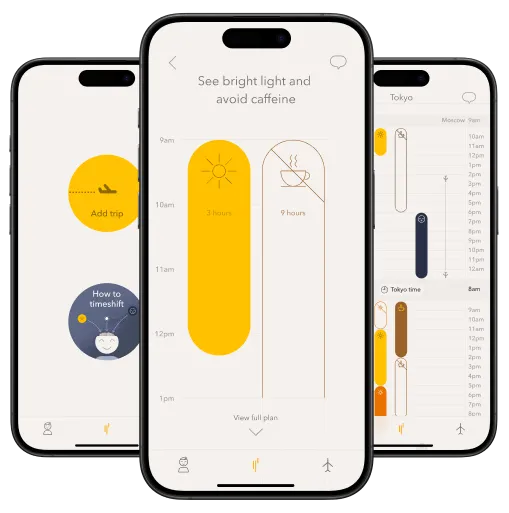
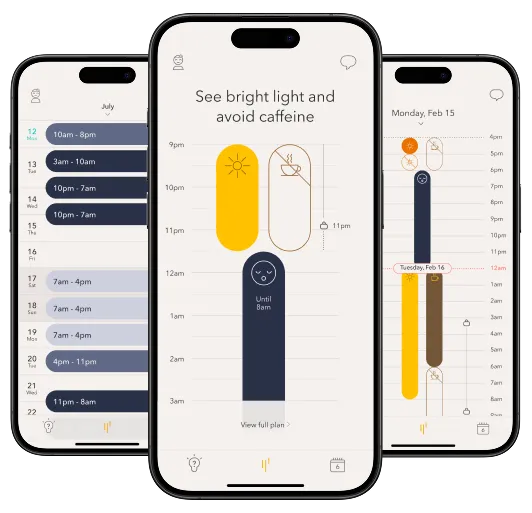
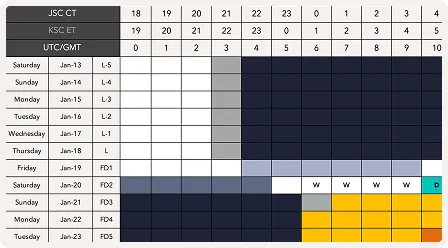
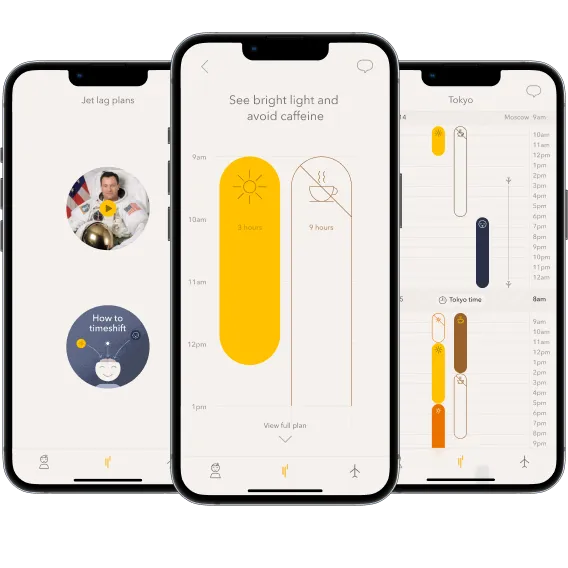
The challenge is finding the right timing for when to see and avoid light, take melatonin, sleep or nap, and use caffeine effectively. Solving this challenge is deceptively complicated, not intuitive, and can only be determined based on your sleep pattern, chronotype, itinerary, and personal preferences. With the Timeshifter jet lag app, you can create personalized jet lag plans with all of this in mind.
Jet lag is history.
Timeshifter's jet lag app is the most downloaded and highest-rated jet lag app in the world. Get personalized jet lag plans based on your sleep pattern, chronotype, itinerary, and personal preferences.
Learn more
16 days with jet lag, or no jet lag. You choose.
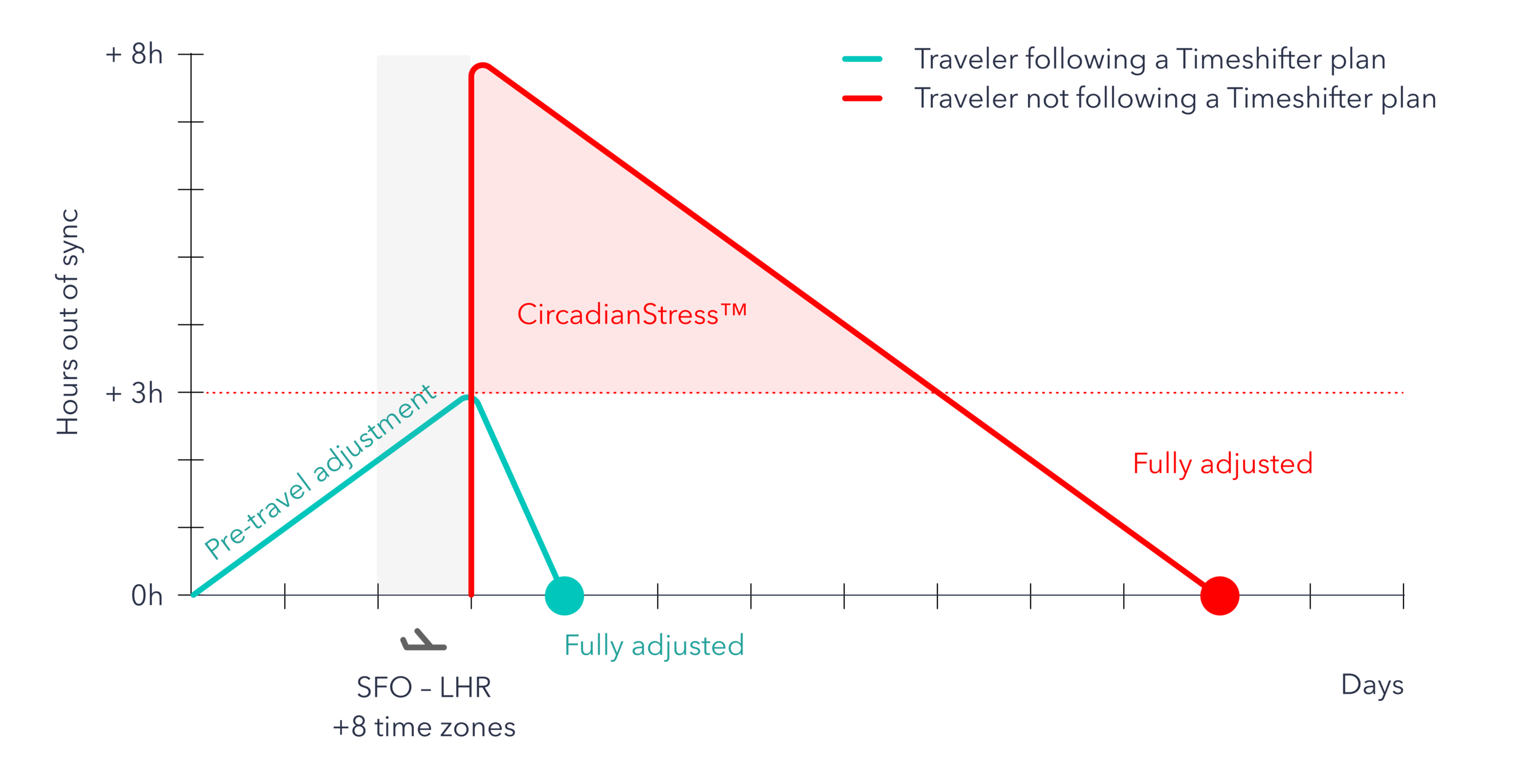
Let's say you fly from San Francisco to London – 8 time zones each way. Without intervention, your circadian clock would shift an hour or less per day, leaving you jet-lagged for the entire trip and another 8 days after returning home. That's 16 days of jet lag for a one-week vacation.
With a properly timed light and melatonin plan, you can adapt 3-4 times faster – and in most cases avoid feeling jet-lagged altogether. With Timeshifter, that plan is calculated for you, based on your itinerary, sleep pattern, and chronotype.

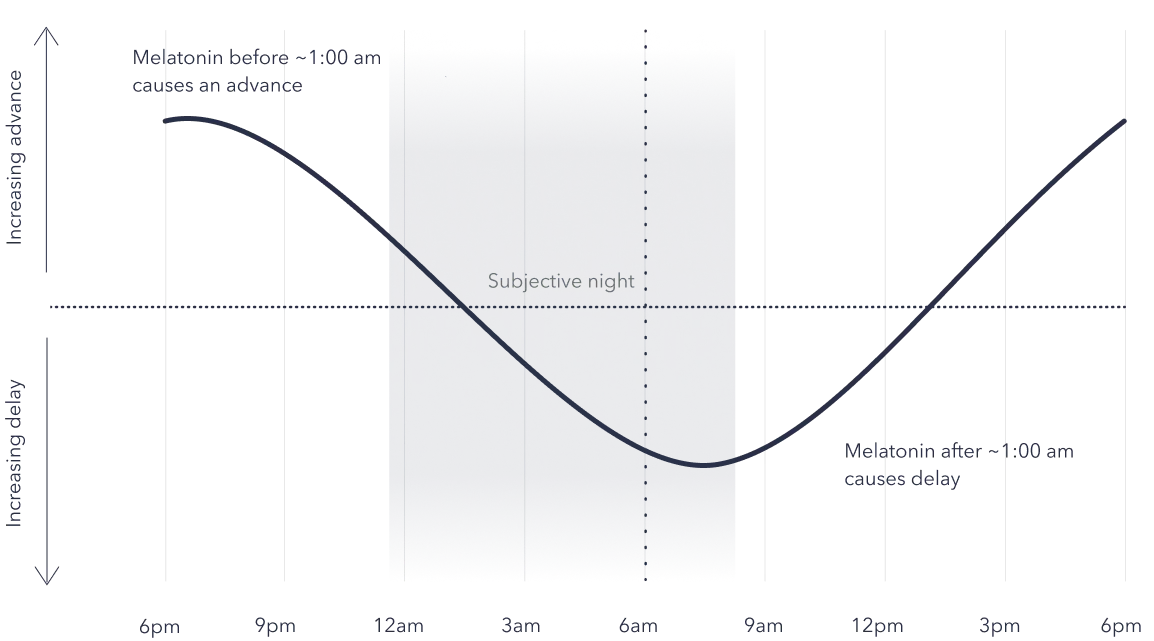
Melatonin for jet lag: Type, dose, and timing
In addition to timed light exposure and light avoidance, the right type and dose of melatonin, at the right time, can help you shift faster and sleep better as you are transitioning between time zones. But if you take melatonin without timing your light exposure correctly, it will not be as effective and you will not adapt to your new time zone any faster.