The #1 circadian app for shift workers
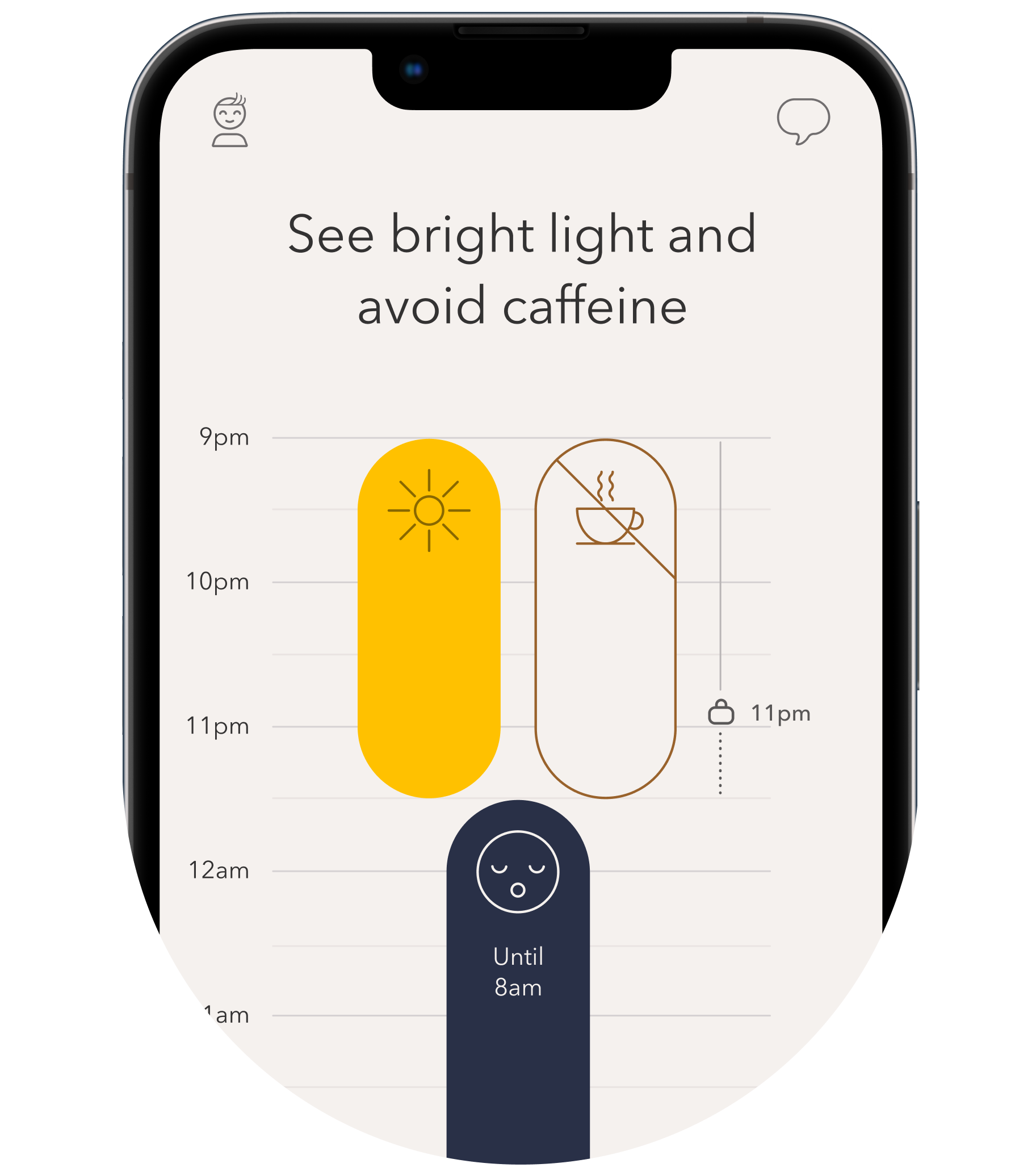
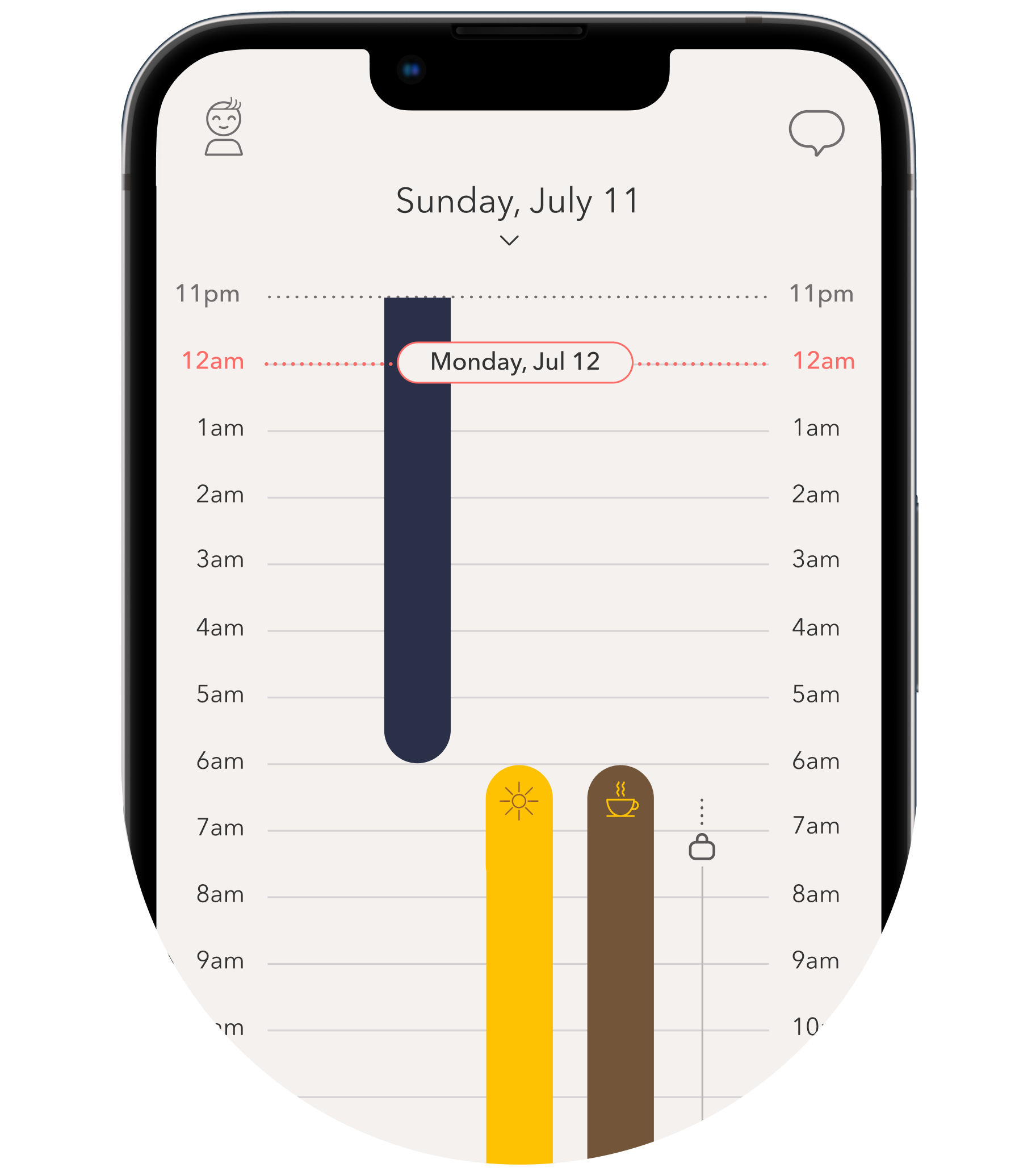
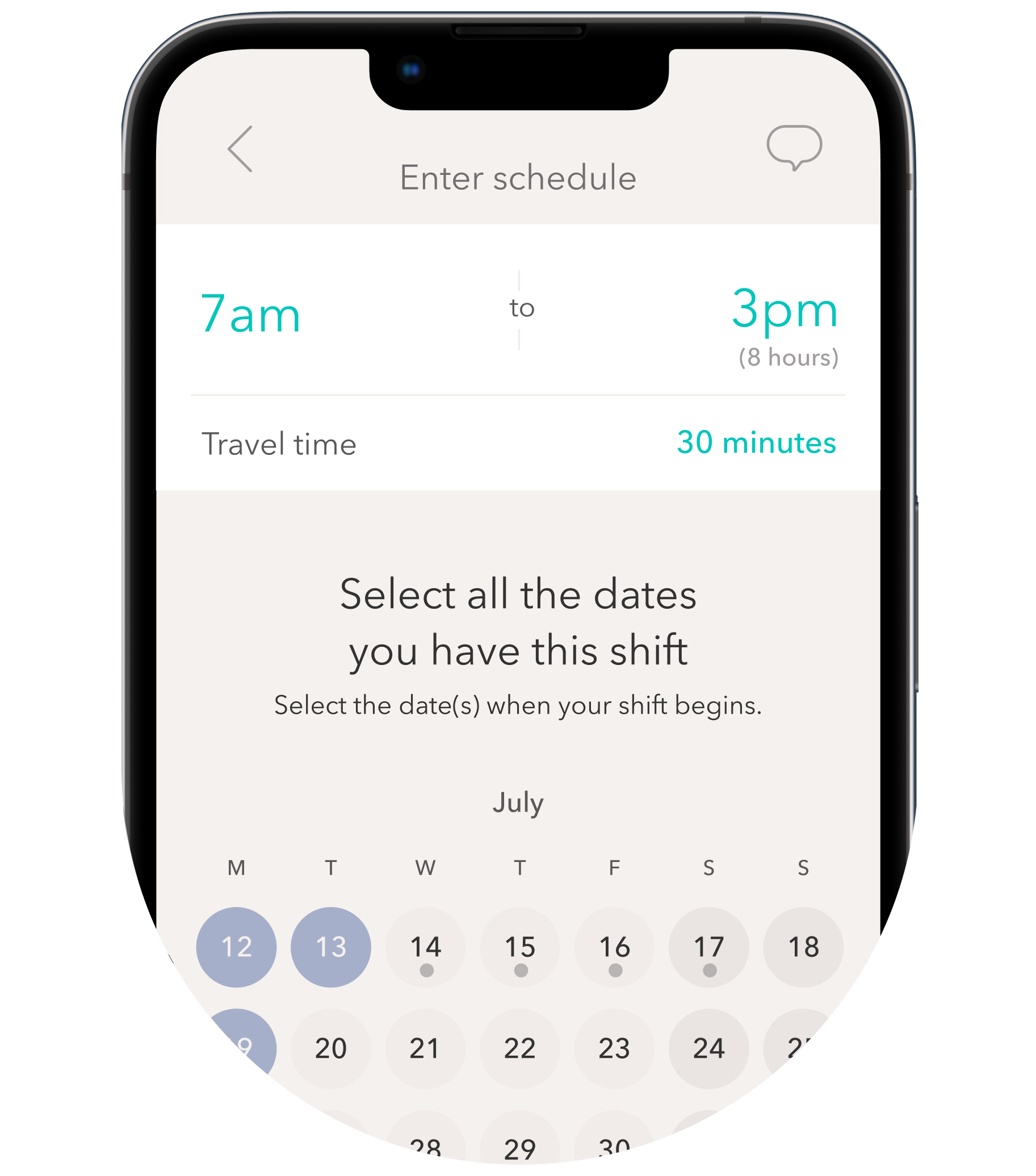
Enter your night, early, rotating or irregular shifts and get personalized guidance on when to sleep, seek and avoid light, and use caffeine.
or


30-day free trial
No credit card
Full access
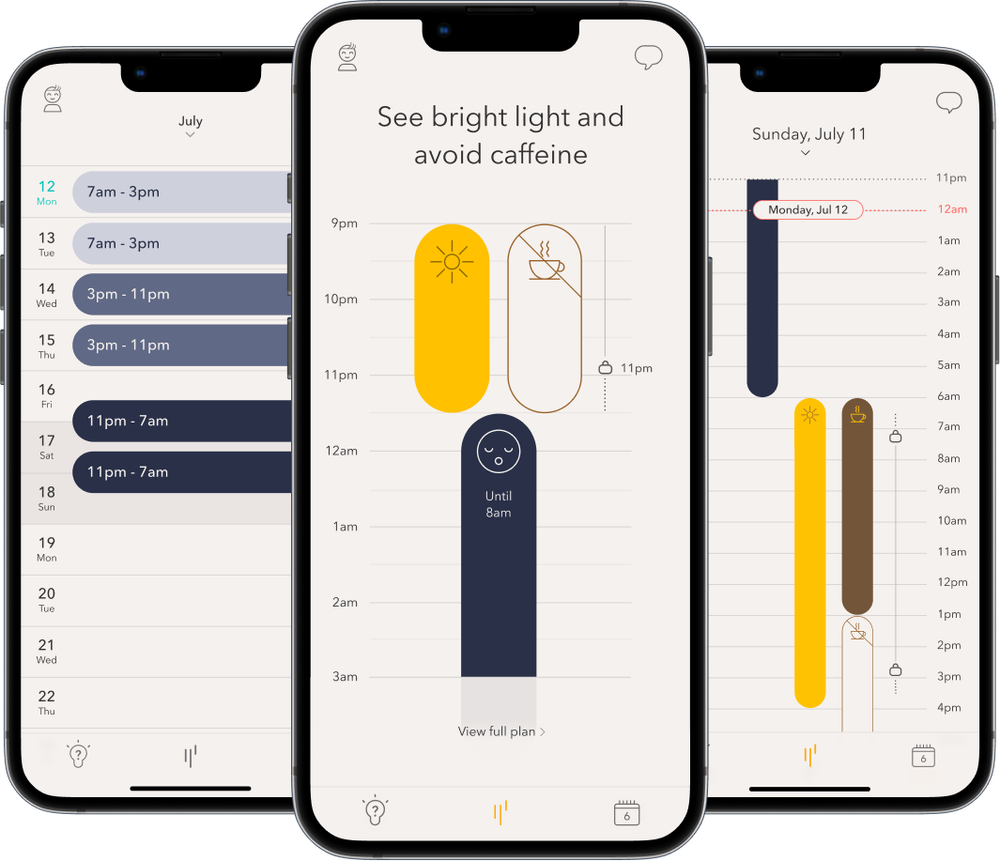
Enter your night, early, rotating or irregular shifts and get personalized guidance on when to sleep, seek and avoid light, and use caffeine.
or






“I just wanted to send your team a huge thank you for this app. I’ve been using the beta for two months and my sleeping pill use has dropped from 6 pills per day to only occasional use. My caffeine consumption no longer gives me heartburn and I don’t have heart palpitations anymore. I can attend family functions and be awake the whole time. It has seriously changed my life. Thank you!”

Steven W. Lockley, Ph.D. is Co-founder and Chief Scientist at Timeshifter. A Harvard Medical School faculty member for over 20 years and former neuroscientist at Brigham and Women's Hospital, he is an international authority on circadian rhythms and sleep with over 30 years of research experience. Dr. Lockley has advised NASA astronauts and Mission Control, Formula 1 teams, healthcare systems, and safety-critical industries on managing shift work, fatigue, jet lag, and peak performance. Dr. Lockley’s research is the scientific foundation behind Timeshifter’s circadian technology.
Empower your shift workers with our app so they can improve their sleep and quality of life while you increase safety and productivity, and reduce employee turnover and absenteeism.



“Congratulations Timeshifter on helping to change the world.”

Timeshifter is built on circadian neuroscience and uses the same science-based algorithms that NASA used to help astronauts and mission controllers manage circadian disruption. Our Chief Scientist, Dr. Steven W. Lockley, is a Harvard Medical School faculty member with over 30 years of research experience and is an international authority on circadian rhythms and sleep. The advice the app delivers – timed light exposure, strategic light avoidance, caffeine timing, melatonin dose and timing, sleep window optimization – is grounded in decades of peer-reviewed research, including the studies listed in our references below.
References:
Melatonin is a hormone the body produces naturally to signal biological night, and decades of research have examined its potential role in supporting circadian adaptation. Studies have shown that, when taken at the right biological time, low doses of melatonin may help signal the circadian clock to shift in the desired direction and may help some shift workers fall asleep after a night shift.
Because melatonin is biologically active and its effects depend on timing relative to your individual circadian clock – not local clock time – taking it at the wrong time can shift the clock in the opposite of the intended direction. Anyone considering melatonin should consult a qualified healthcare provider before starting, particularly if they take medication, have a medical condition, are pregnant or breastfeeding, or are under 18.
Timeshifter is an informational tool built on circadian science and is not a substitute for medical advice, diagnosis, or treatment. For a detailed scientific overview, see our article on melatonin for shift work.
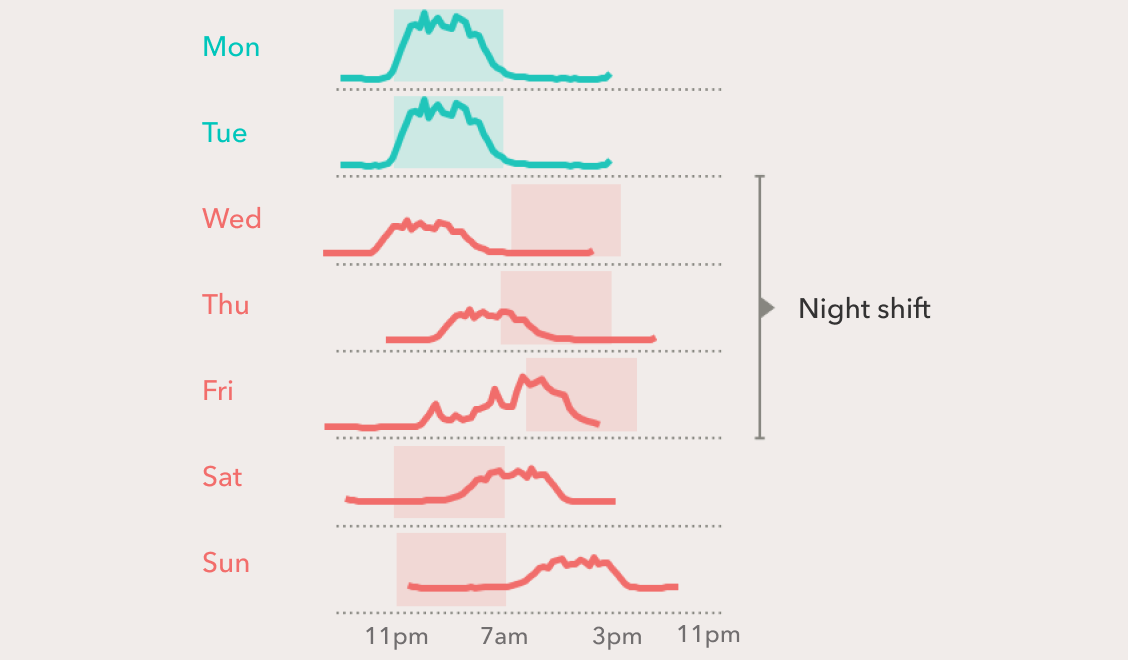
Yes – all three. Timeshifter generates personalized circadian advice for any shift pattern, including 12-hour rotations, alternating weeks, fixed permanent nights, on-call schedules, and irregular schedules that change week to week. You enter your upcoming shifts in just a few minutes, and the app produces advice on when to seek and avoid light, when to sleep, when to use caffeine, and when melatonin may help – timed to your specific schedule, your chronotype, and your commute.
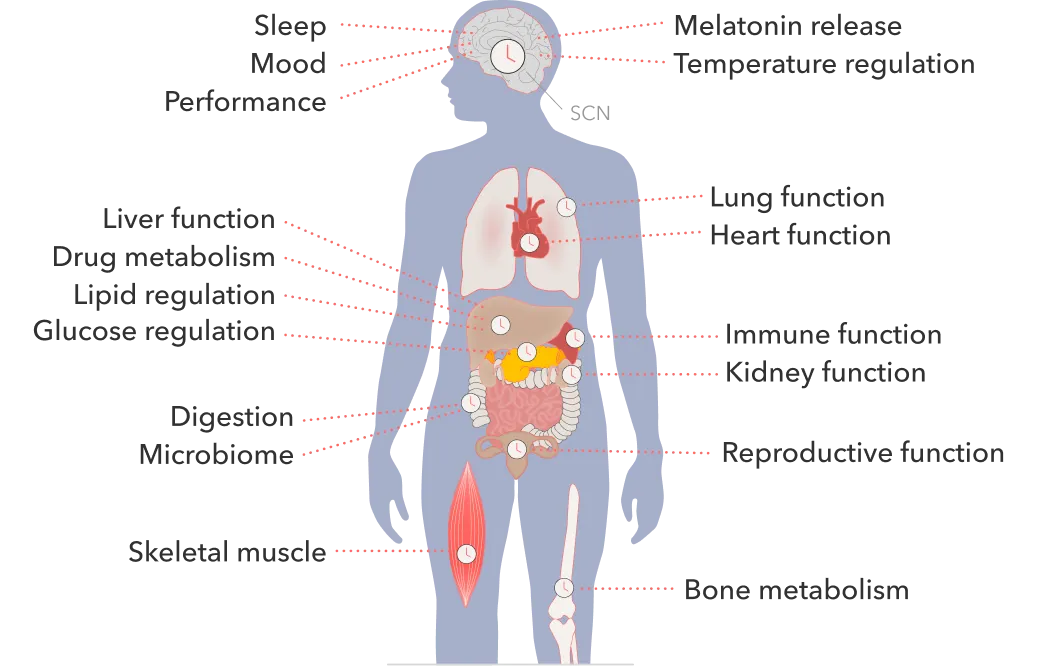
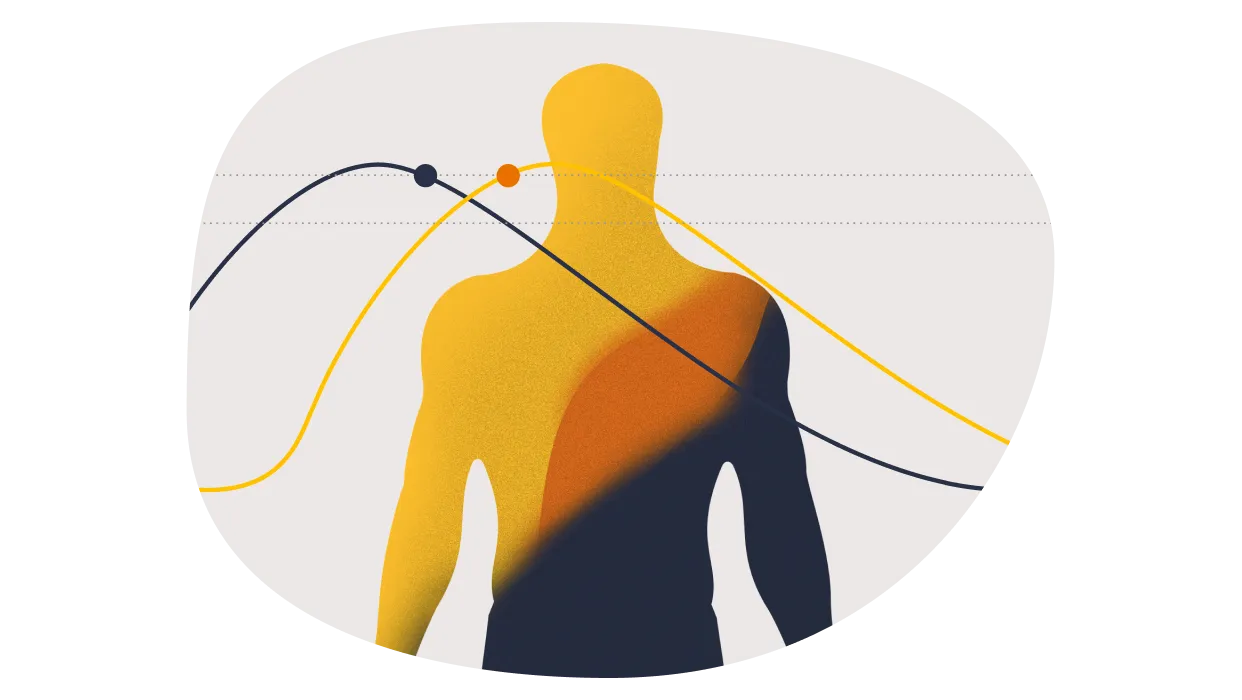
Shift work disruption is caused by work schedules that conflict with the body's internal 24-hour clock. The clock controls when we naturally feel awake and alert versus tired and ready to sleep, and it doesn't shift quickly. When you work nights, rotate shifts, or start very early, you're trying to sleep when your body is biologically wired to be awake – and to be awake when it's wired to sleep.
Symptoms include difficulty falling or staying asleep, excessive sleepiness during work hours, impaired alertness and reaction time, gastrointestinal disturbance, and reduced quality of life. Shift work is associated with elevated risk of cardiovascular disease, metabolic disorders, certain cancers, and on-the-job accidents.
30-day free trial – no credit card required. Then, $6.99/month or $69.99/year.
Please redeem your code here.