Circadian rhythms and immune function
Your immune system is under circadian control: inflammatory markers such as cytokines are regulated by the circadian clock, so the time of day affects how you respond to infection. Jet lag, shift work and sleep loss disrupt this. In one study, people who slept 4 hours a night for six nights before a flu vaccine made less than half the antibodies.

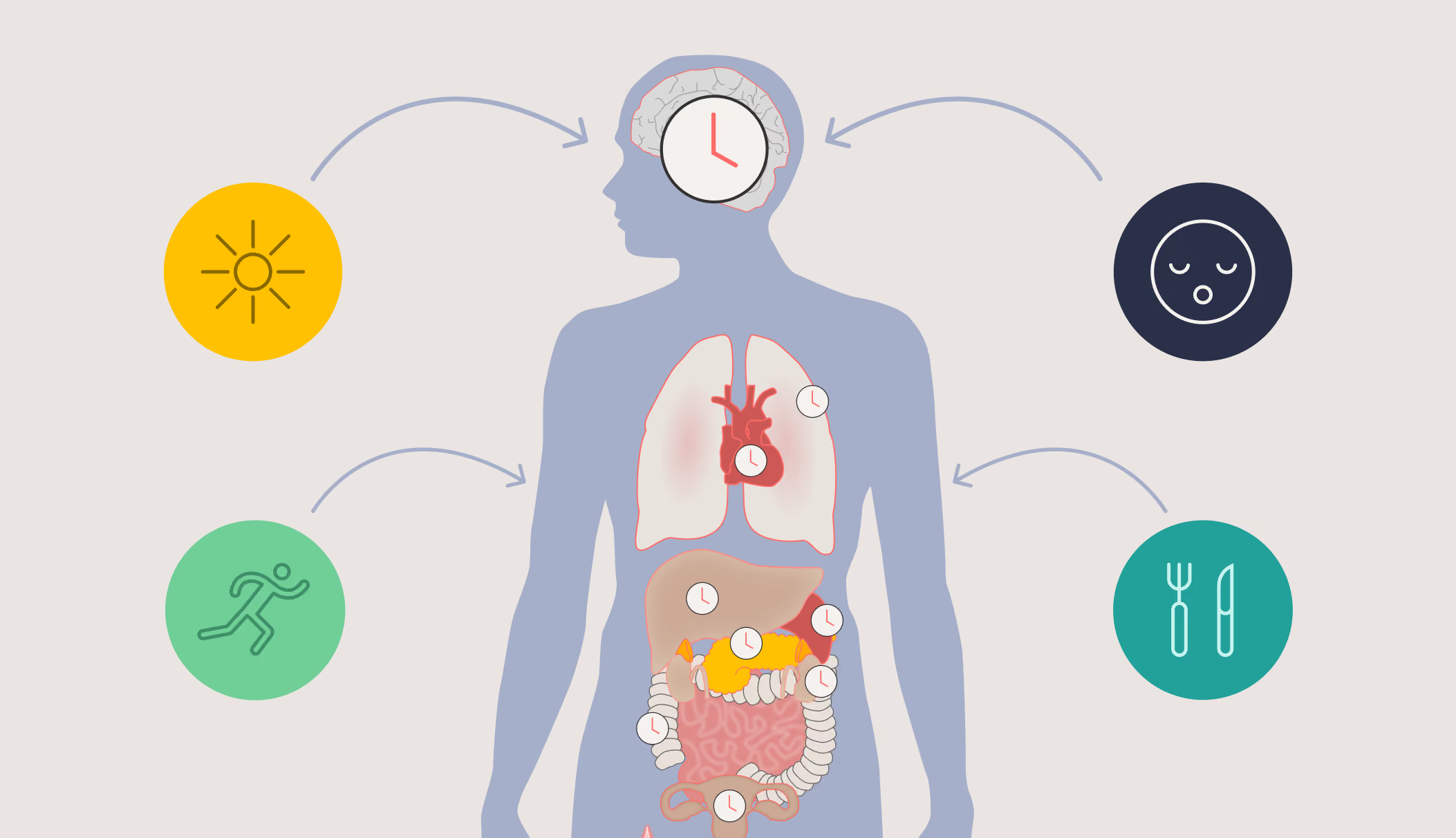
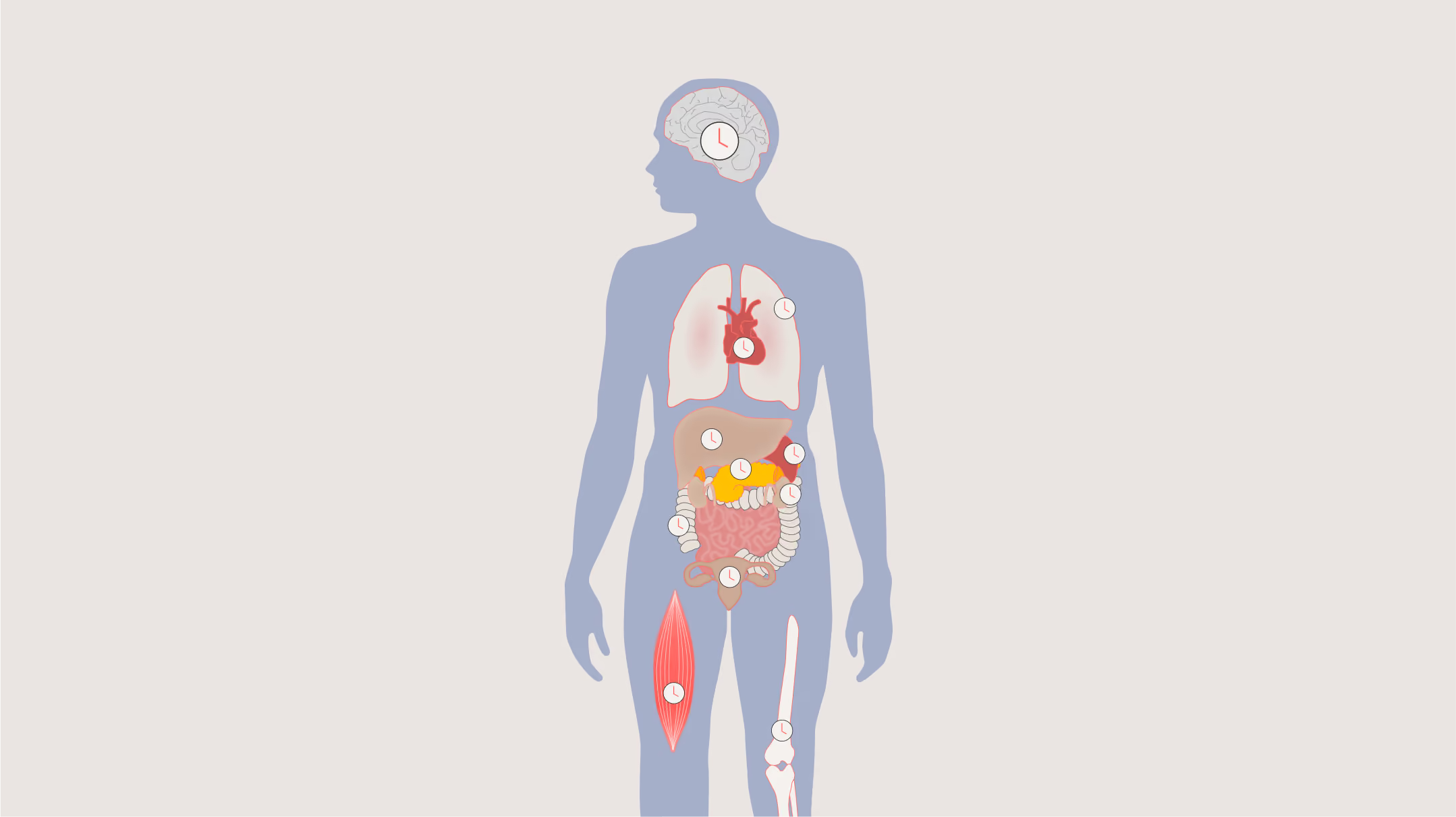
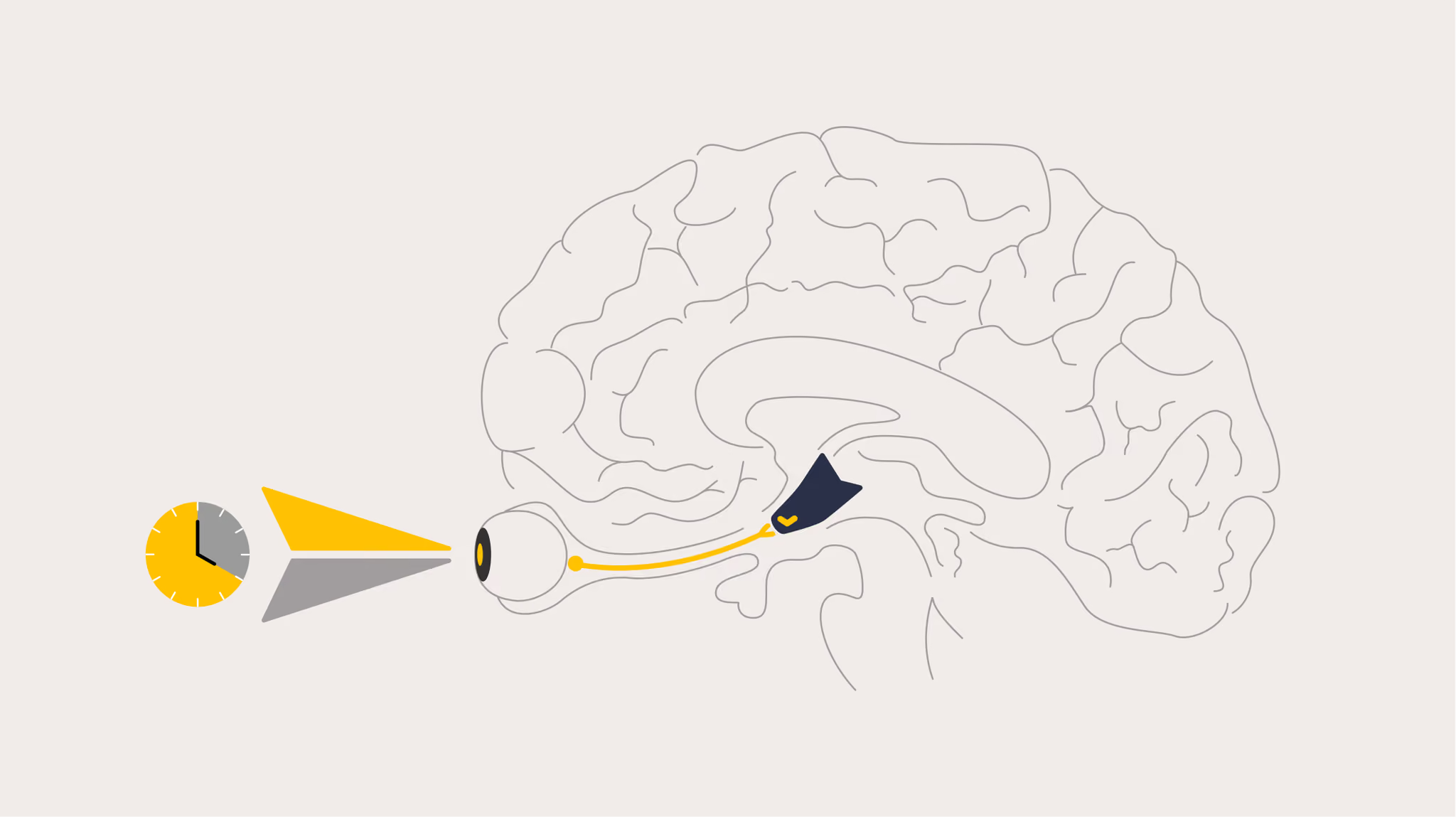
The 24-hour circadian clock, located in the suprachiasmatic nuclei (SCN) in the brain, controls the daily timing of many brain and body systems including sleep, alertness and performance, metabolism, heart and lung function, and reproductive rhythms among many others. Recently, it has emerged that the immune system is also under circadian control in humans.
Daily rhythms in the immune system
Many aspects of the immune response have long been known to exhibit daily rhythms – it has been known for over 50 years that the time of day affected infection susceptibility (Shackelford and Feigin, 1973), and survival in mice (Halberg et al., 1960). Disease timing and severity, examples of susceptibility to a health challenge, have also been shown to depend on time of day for arthritis (Cutolo, 2019) and adverse cardiovascular events and asthma (Litinski et al., 2009). Various immune factors also show daily rhythms in both humans and animals including lymphocyte and leukocyte numbers (Abo et al., 1981; Born et al., 1997; Kawate et al., 1981) and cytokine levels (Born et al., 1997; Young et al., 1995).
Is immune timing driven by the circadian clock?
Until recently, however, it was not known whether these daily changes were as a result of changes in internal circadian time or simply due to a direct effect of external time cues in the environment, an important distinction. Recently, inflammatory markers such as cytokines and chemokines, key components of the immune response, have been shown to be regulated by the circadian clock under controlled laboratory conditions (Frey et al., 2007; Rahman et al., 2015; Wright et al., 2015) and also show rhythmic 24-hour patterns under normal conditions (Rahman et al., 2015). This work shows that our internal clocks control when we are more or less able to respond to a potential infection.
How jet lag and shift work disrupt immune function
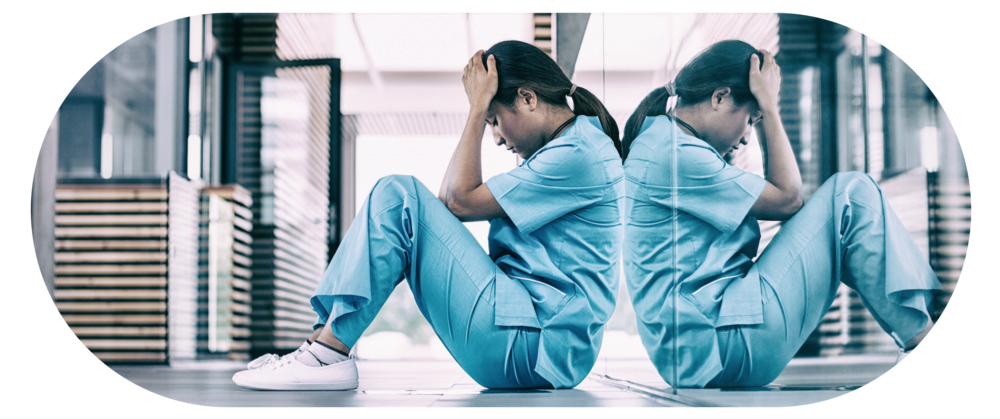
Disruptions in circadian regulation and sleep, for example due to jet lag and shift work, disrupt this timing and negatively impact immune function. For example, repeated circadian disruption leads to a markedly altered immune response in mice (Castanon-Cervantes et al., 2010; Adams et al., 2013; Brager et al., 2013) and humans (Puttonen et al., 2011; Wright et al., 2015). The timing of immune markers is also affected by environmental factors such as meal timing and activity (Rahman et al., 2015) which also become disrupted during shift work and jet lag, potentially exacerbating the negative effects.
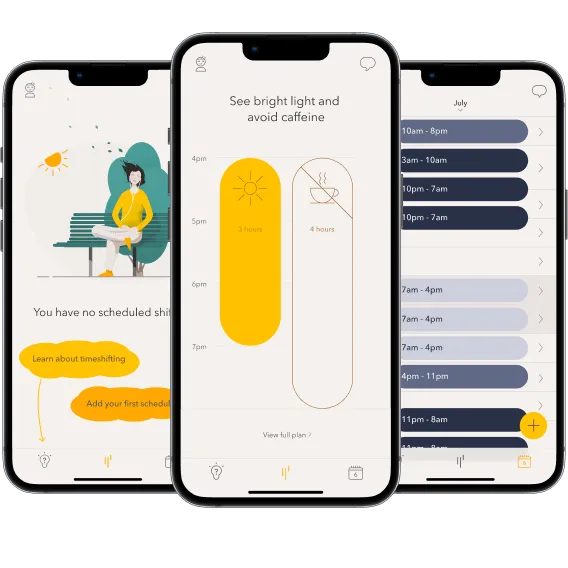
The shift work app that improves sleep and alertness, personalized to your schedule.
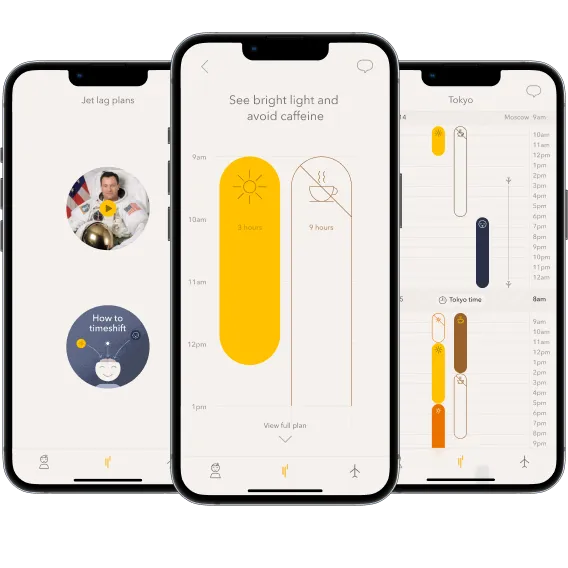
The most downloaded and highest-rated jet lag app in the world.
Sleep loss and vaccine response
Furthermore, changes in sleep, which also occur during circadian disruption, also affect immune function. In a seminal study by Spiegel and colleagues, 25 individuals were given the influenza vaccine after either chronic sleep deprivation (6 nights with only 4 hours’ sleep per night, n=11) or normal sleep (n=14). When the antibody titre was measured 10 days later, the sleep deprived group had less than half (43%) the number of antibodies to ‘flu than the normal sleep group (Spiegel et al., 2002). Importantly, this difference occurred even though the sleep-deprived group was given 12 hours sleep per night for 7 nights after the inoculation, showing that the sleep loss state when receiving the vaccine determined immune response and that recovery sleep after the fact did not prevent the impaired response. Given that most people, and certainly most regular travelers, live in a state of constant sleep deficiency (not achieving the minimum of 7 hours each and every night), they are likely more vulnerable to not only infection in the first place but also vaccination and treatment.
Why the clock regulates immunity
Why does the clock help to regulate immune function? Circadian regulation of immune function is not just limited to mammals (Gibbs et al., 2012) – immune responses in flies (Stone et al., 2012) and plants (Wang et al., 2011) are also regulated by the clock, illustrating the fundamental importance of circadian rhythms to health and survival. The point of an internal, self-regulating circadian clock is to anticipate changes in the environment so that the organism is ready to respond appropriately when the time comes. The early bird has to be awake before the worm in order to catch it; an organism has to be awake at the right time to hunt, feed, find a mate, avoid predators and myriad other behaviors. In fact, animals that have had their clocks removed do not survive as long as intact animals in field studies (DeCoursey and Krulas, 1998). The risk of infection is another type of predator and so if there are rhythmic attacks from the environment, we need to be ready to fight the attack at the right time.
Why one-size-fits-all solutions fail
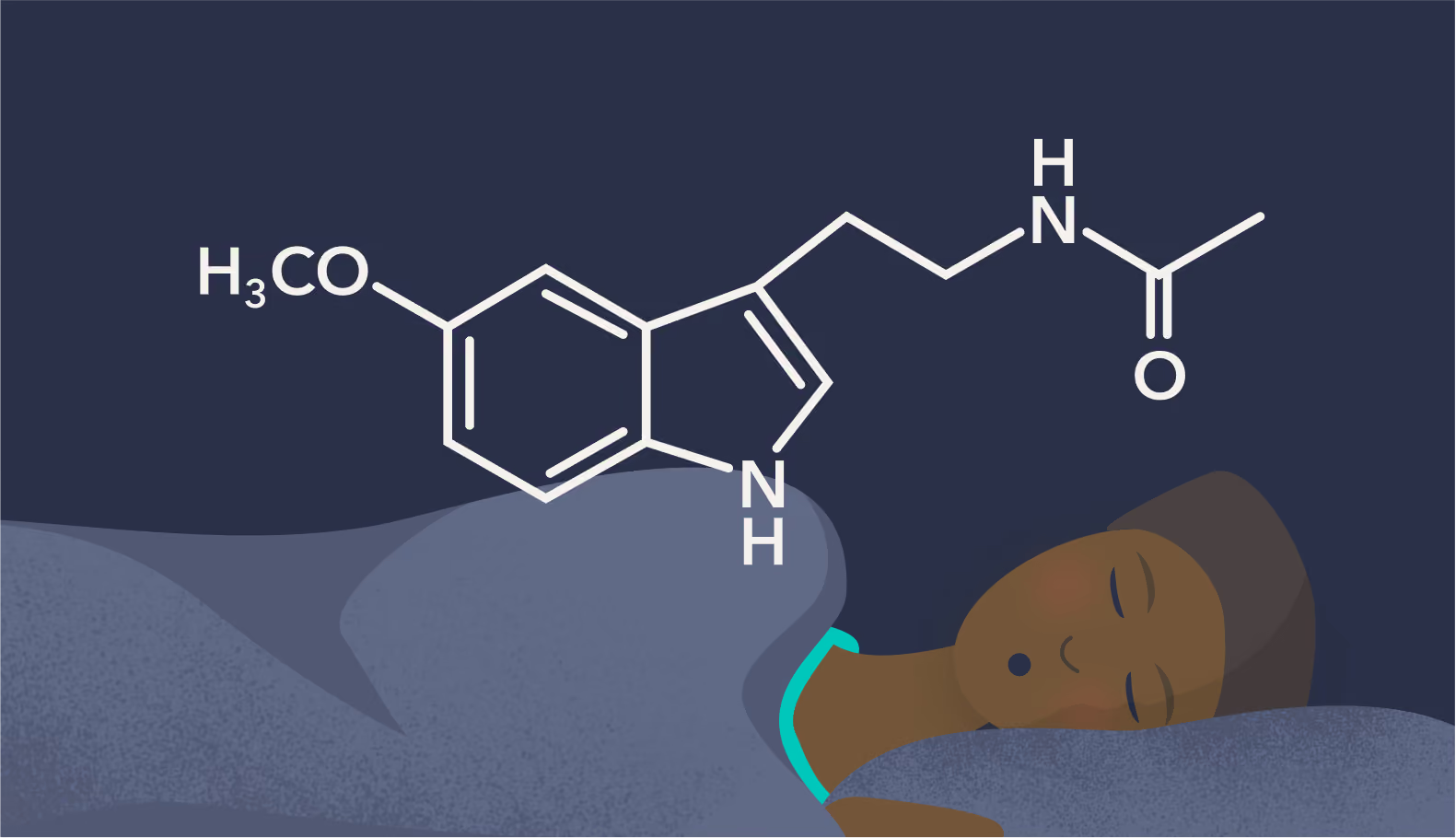
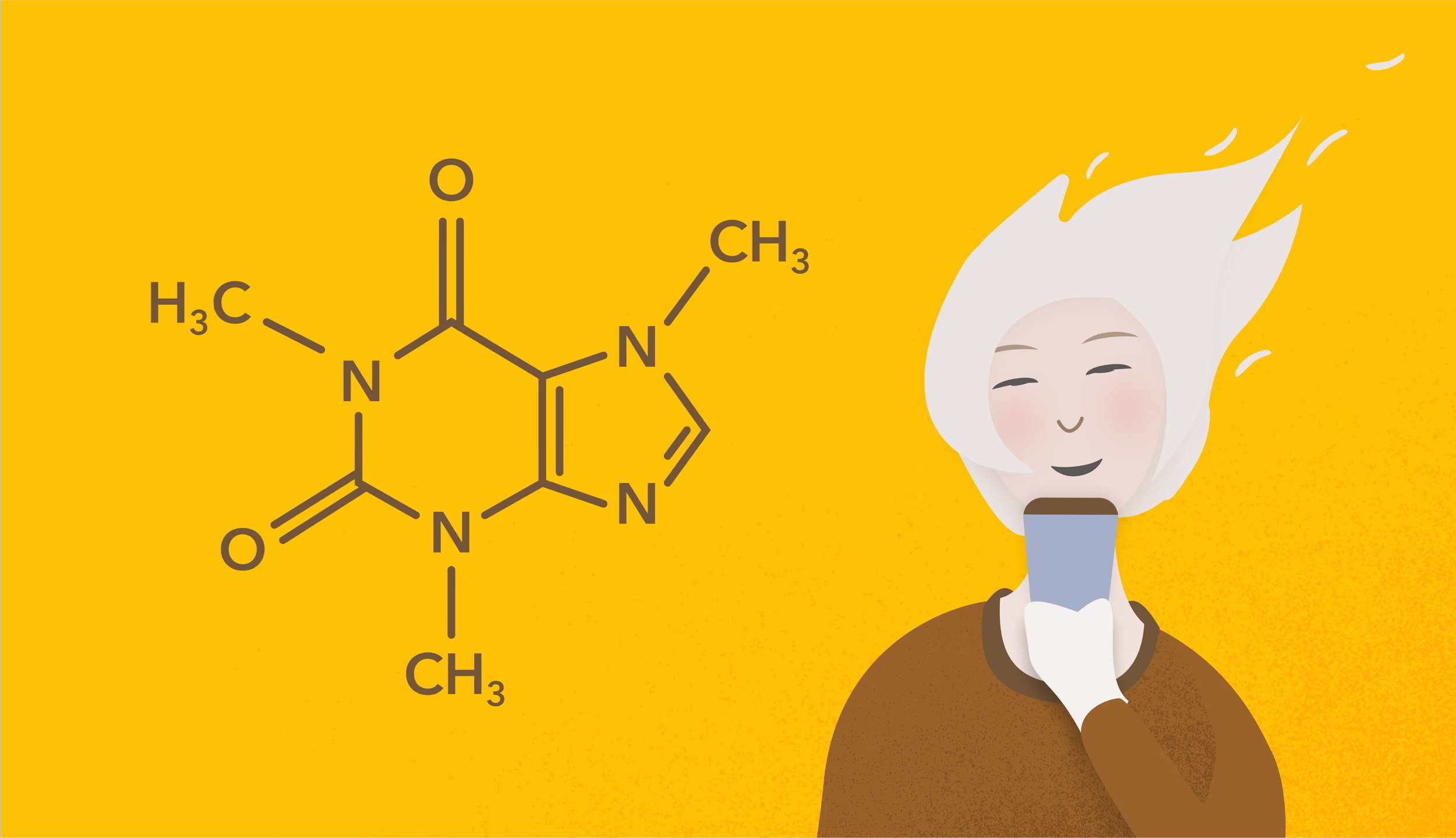
Maintaining appropriate circadian entrainment is not as easy as people think. When the circadian clock is measured, using the timing of the pineal hormone melatonin for example, there is a wide range in the timing of circadian rhythms between people, even when exposed to the same sleep and light-dark conditions. Patients with insomnia have a ~7-hour range in circadian timing (Flynn-Evans et al., 2017) and undergraduate students have a ~9 hour range (Phillips et al., 2017). Shift workers, whether working rotating or fixed schedules, can have up to a 12-hour difference in their clock times (e.g., Barnes et al., 1998; Dumont et al., 2001) making ‘one-size-fits-all’ solutions impossible to apply. Even under highly controlled laboratory conditions – the best of circumstances - there is a 5-hour range in circadian time (Wright et al., 2006; Sletten et al., 2010; Gooley et al., 2011), equivalent to the difference between New York and London, or Los Angeles (in the winter) and Sydney (in the summer) which travelers know can cause substantial problems for sleep, alertness and digestion. Personalized solutions are needed that time countermeasures such as light and melatonin to each individual’s clock and circumstance (sleep habits, work schedule, caffeine use, important events, and even when to eat and exercise).
Measuring your internal circadian time
Assessing these inter-individual differences is not just a matter of knowing whether someone is a morning-type (lark) or evening-type (owl) or sleeps early or late. Measurement of specific clock markers are needed, for example from Dim Light Melatonin Onset (DLMO) times assessed under controlled lighting, or 24-hour profiles of melatonin and cortisol in plasma, saliva or urine. New methods are also in development that take advantage of platforms that measure hundreds or thousands of parameters in the same samples, such as lipidomics (Chua et al., 2013), metalobolomics (Grant et al., 2019), proteomics (Depner et al., 2018), transcriptomics (Laing et al., 2017) or gene expression (Wittenbrink et al., 2018). These methods hold the promise that a single sample of blood, saliva or even urine will indicate the current internal time and, once validated, will open up widespread testing of circadian phase in clinical and outpatient settings, leading to many more discoveries as to the importance of circadian time in drug timing or when to perform procedures (chronotherapeutics), test interpretation (chronodiagnostics), or even when and what to eat (chrononutrition). These methods will also be applied to immune function – when will be the best time to be given a vaccine, and what should the sleep and feeding patterns be in the days leading up to the appointment?
How to keep your circadian clock on time
While these technologies are developed, how can appropriate circadian entrainment be maintained?
Regularity is key: Particularly regularity of light and dark exposure. Try and maintain a stable sleep-wake, and therefore dark-light, cycle each day – go to bed and get up at the same time, or as close as possible. In the daytime, get exposure to as much daylight as you can and if indoors, install bright blue-enriched white light bulbs and get regular light breaks outside. In the evening, use blue-depleted white light bulbs and dim the lights for ideally 3 hours before bed or as long as possible.
Blue spectrum light: Some companies produce lights that are specifically designed to enhance alertness in the day and promote sleep at night by manipulating a specific portion of the blue spectrum. Not all are the same, however; look out for products which emit white light enriched in the 480nm wavelength in the day, and deplete 480nm for evening use.
Sleep in darkness: Sleep should be in darkness or with an eye mask to block light to the eyes.
Eat in the day: Again ideally on a regular schedule with most of the calories earlier in the day if possible.
Exercise at the same time each day: Consistency is preferable but don’t exercise too early or too late in the day; exercise as long as possible after waking and as long as possible before sleep.
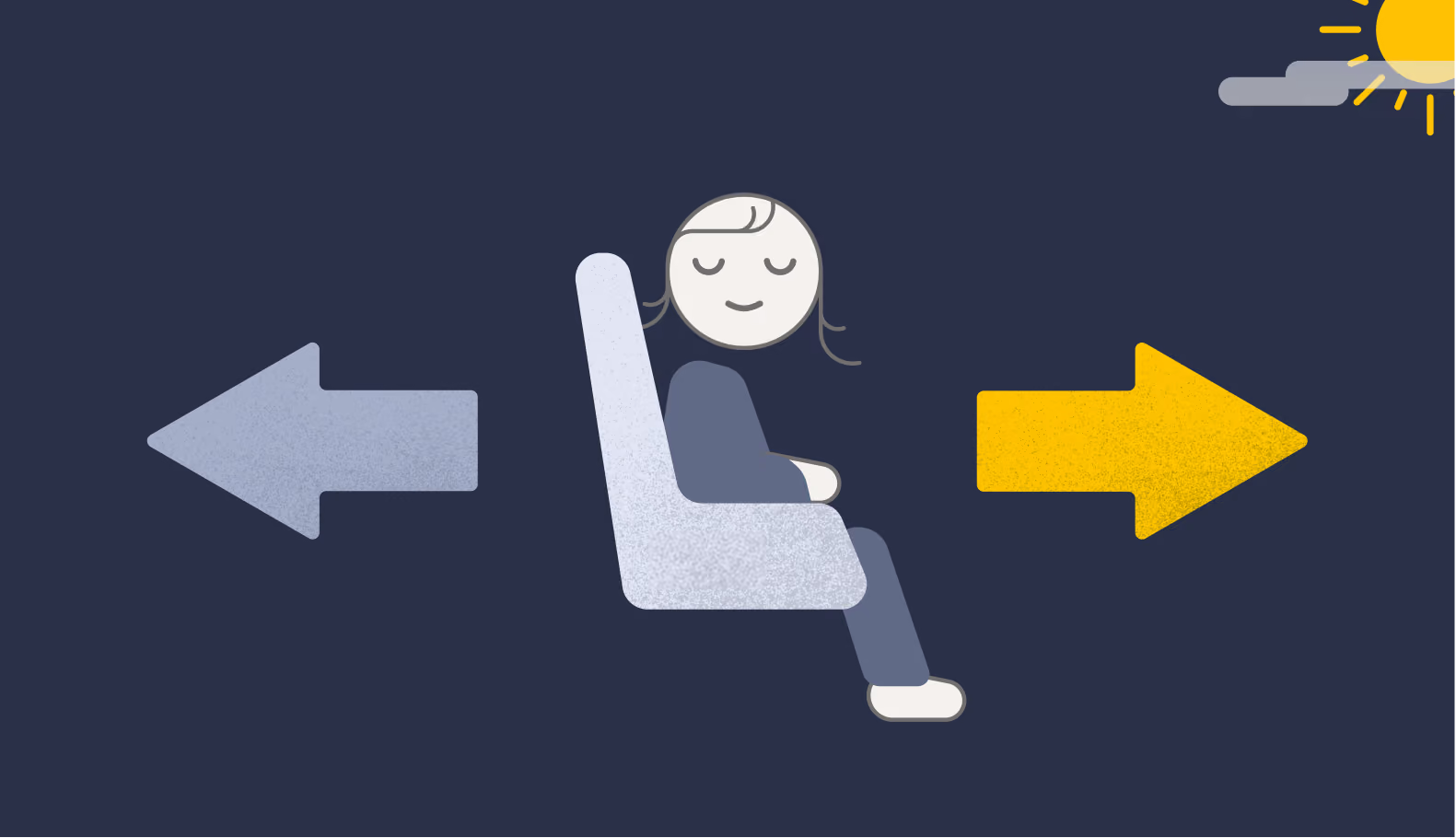
Reset quickly to new time zones when you travel: Use the Timeshifter jet lag app.
Be persistent: The circadian benefits of regularity will not happen overnight, just as the benefits of exercise or dieting do not, but by maintaining a regular schedule, the clock will gradually adjust itself to align with your lifestyle. This will lead to not only appropriate alignment of the circadian clock in the brain with the outside world but also appropriate alignment of the internal clocks in your organs and tissues, such as the heart, lungs, and kidneys, ensuring that the myriad processes that the clock controls, including your immune function, work together as efficiently as possible and maximize your health and wellbeing.