Melatonin for shift work
Melatonin can help shift workers manage sleep and alertness better, but you must use the right type and dose at the right time, and also time light exposure and light avoidance correctly.

What is melatonin?
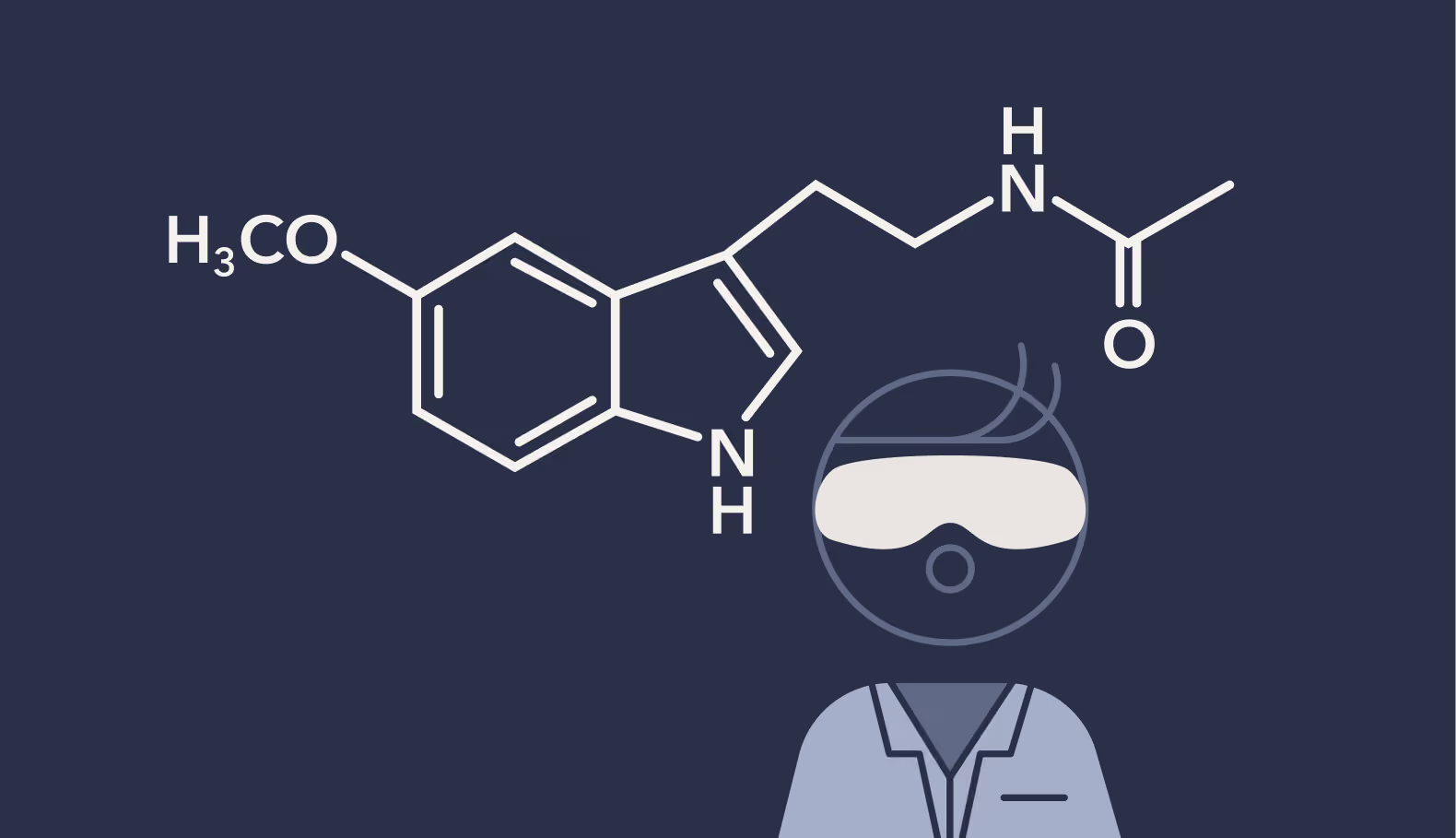
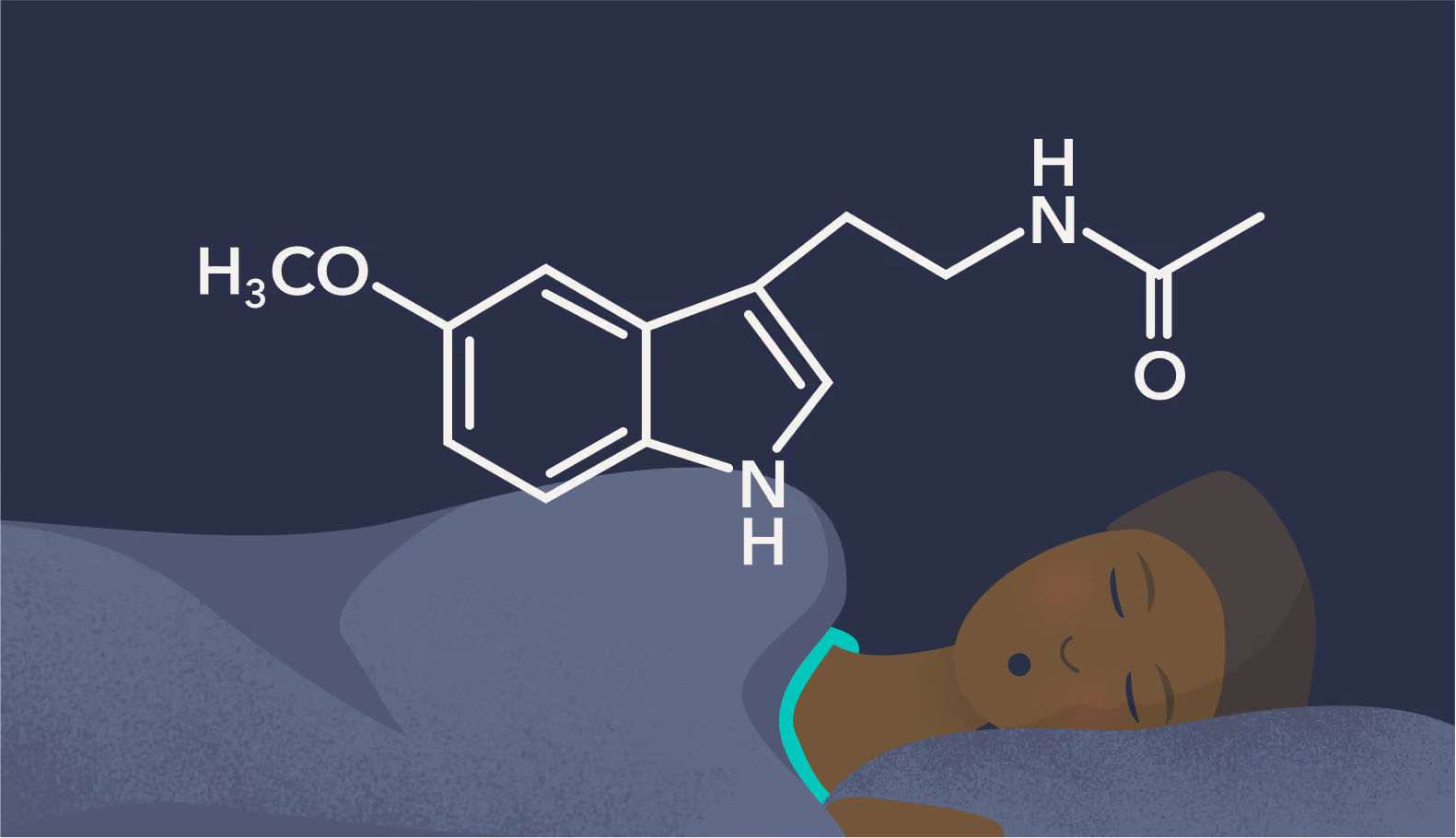
Melatonin is a natural hormone, produced by the pineal gland in the brain and is only released at night. It is sometimes called the ‘hormone of darkness’. The release of melatonin is controlled by the 24-hour circadian clock, and tells the brain it’s nighttime. While melatonin is not a sleep hormone, in day-active animals like humans, melatonin ‘opens the sleep gate’ and tells the brain it’s time to sleep. We usually start to release melatonin about 2-3 hours before we go to sleep. Melatonin can also be purchased in pill form, which contain a synthetic version of the hormone but in a much higher dose than we naturally produce. Melatonin is the only time cue other than light that can shift the clock and help you manage your shift work schedule better, although its effects are generally weaker than light.
How can melatonin help me manage shift work better?
Taking melatonin will do two things: First, it will help shift the timing of the circadian clock to help you manage shift work better. Second, it will help you sleep when you are transitioning between work shifts by telling the brain to sleep at a different time than normal. For example, taking melatonin can help shift workers sleep during the day when working night shifts. Melatonin is not a sleeping pill, however, and will not help sleep once you are adapted to one type of shift.
How does melatonin help adjust circadian rhythms?

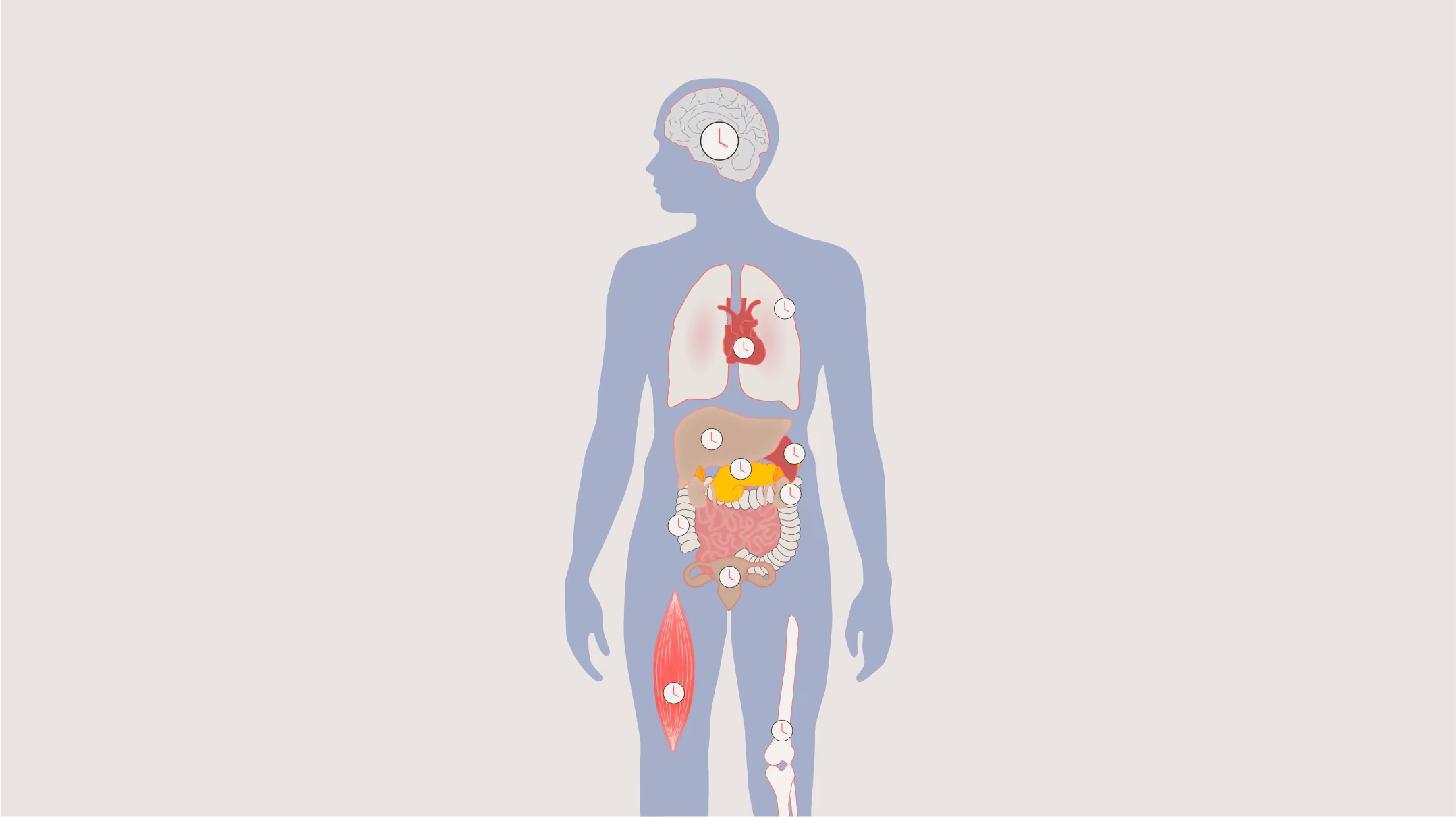
Melatonin pills can help regulate the circadian clock by shifting the timing of internal rhythms. Receptors for melatonin are located in the suprachiasmatic nuclei, the location of the circadian pacemaker, and can reset the rhythms generated by the pacemaker. In someone not working shifts, melatonin taken in the evening will shift the clock earlier (a phase advance) whereas melatonin taken in the morning will shift the clock later (a phase delay), although this is not typically recommended unless you are sleeping in the day due to safety concerns (see below). Taking melatonin at the right time for the required shift will help reset the clock more quickly to new work shifts.
Melatonin can also help reset the clock indirectly through its influence on sleep, and therefore light-dark exposure. Melatonin pills can promote sleep when you are not releasing your own melatonin and this will in turn affect your light-dark exposure (as closing your eyes to sleep will reduce the amount of light reaching the retinae and therefore the circadian clock).
These combined effects of melatonin, when timed properly, will help reset the clock and manage your sleep and alertness better.
What type and dosage of melatonin should I use for shift work?
Use a low-dose (1-3mg) fast release preparation when indicated to help reset the clock (slow release formulations and higher doses are available but they may stay in the system too long and confuse the circadian clock).
As melatonin is considered a food supplement in the USA, the manufacture and sale of melatonin are less controlled than prescription drugs, so there may be considerable variation in the quality and melatonin dose across products. It's also often sold combined with other substances, such as Valerian or St John's Wort. If you choose to buy a food supplement version of melatonin, use a ‘melatonin-only' product, without additional substances, and buy it from a reputable pharmacy (they often have their own label preparations). Most countries make melatonin available only through prescription.
A fast-release pill form is likely to provide a more reliable dose than melatonin-containing drinks or sprays. There's no evidence that products high in tryptophan, from which melatonin is synthesized, or melatonin such as cherry juice, can help shift the circadian clock.
When should I take melatonin?
The timing of melatonin administration is dependent on many factors, including the resetting effects required, the time of work shifts, chronotype, and desired sleep time. There are also times when melatonin should not be taken if it could increase the risk of undesired drowsiness (i.e., while driving).
There is no simple rule of thumb for when to take melatonin when you are a shift worker.
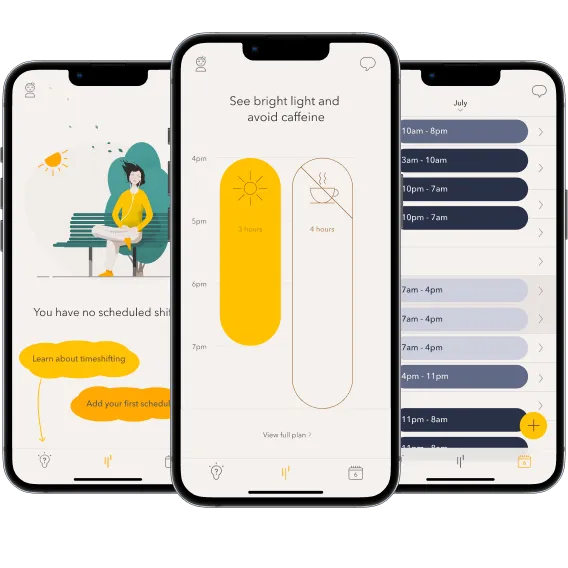
Timeshifter’s shift work app provides highly personalized information based on user preferences and shift work schedule about when to take melatonin, if the user chooses to. Taking melatonin as suggested by the app will be helpful but is not required - most benefits are realized through the light-dark advice.
Other things you can do to complement melatonin for shift work
The most important factors for reducing the negative effects of shift work are when to see light and when to avoid light – the light-dark cycle. Timeshifter’s shift work app provides practical information on when to see or avoid light, which can be as simple as getting outside or turning on the light indoors when you need to see light, or putting on sunglasses and making lights as dim as possible when you need to avoid light. For melatonin, the timing of light and dark exposure is key and therefore Timeshifter provides personalized advice based on user preferences and work schedule.
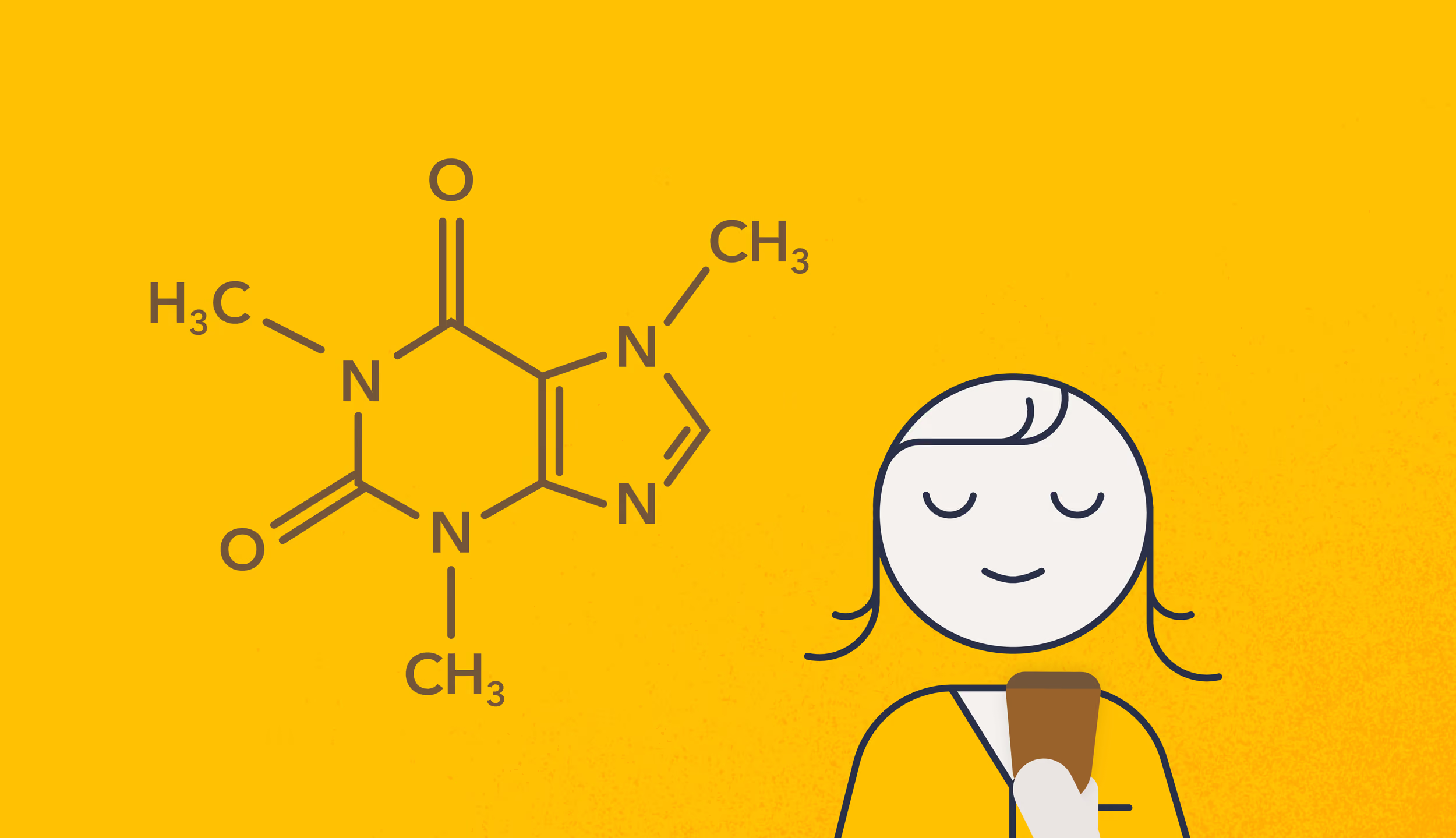
Other factors that can help include caffeine and napping. As always, the correct timing is important and Timeshifter provides plans on how and when to use caffeine, and when to nap. This advice not only helps your alertness directly but will also help you follow the light advice by staying awake or sleeping at the right times.
Is melatonin safe to use for shift work?
Warnings:
- Melatonin is a relatively safe supplement when used in the short-term, and melatonin side effects are uncommon. Headache, sleepiness, vivid dreams, and nausea have been reported.
- Melatonin safety in the long-term has NOT been determined in randomized, controlled studies.
- You may NOT be able to use melatonin if you have certain medical conditions. Do NOT use melatonin without medical advice.
- There are NO data on how melatonin interacts with other drugs. Do NOT use melatonin with antidepressants, particularly selective serotonin reuptake inhibitors (SSRIs), or with sleeping pills.
- Do NOT use melatonin if you are pregnant, lactating, have epilepsy or migraines, taking warfarin, or if you have a personal or family history of psychiatric disorders.
- AVOID alcohol and tasks requiring a high level of alertness, such as driving or operating machinery, within 8 hours after taking melatonin.
- Do NOT give melatonin to children.
Before using a specific melatonin product, make sure to ask your doctor about its safety, side effects, interactions, and warnings. If you experience side effects after taking melatonin, you must consult your doctor.
Yes, there’s an app for that!
Taking melatonin at the right time can help you manage changing work shifts better, in combination with the right light exposure at the right time. Timeshifter’s app for shift workers will give you all the advice you need when managing shift work, including when to use melatonin to get the maximum benefits. Try it free for 30 days.
The shift work app that improves sleep and alertness, personalized to your schedule.
References
- Arendt J. Safety of melatonin in long-term use (?). J Biol Rhythms. 1997;12(6):673–682.
- Arendt J, Skene DJ, Middleton B, Lockley SW, Deacon S. Efficacy of melatonin treatment in jet lag, shift work, and blindness. J Biol Rhythms. 1997;12(6):604–617.
- Folkard S, Arendt J, Clark M. Can melatonin improve shift workers' tolerance of the night shift? Some preliminary findings. Chronobiol Int. 1993;10(5):315–320.
- Lewy AJ, Ahmed S, Jackson JM, Sack RL. Melatonin shifts human circadian rhythms according to a phase-response curve. Chronobiol Int. 1992;9(5):380–392.
- Sack RL, Auckley D, Auger RR, Carskadon MA, Wright KP Jr, Vitiello MV, et al. Circadian rhythm sleep disorders: part I, basic principles, shift work and jet lag disorders. An American Academy of Sleep Medicine review. Sleep. 2007;30(11):1460–1483.
- Wyatt JK, Dijk DJ, Ritz-de Cecco A, Ronda JM, Czeisler CA. Sleep-facilitating effect of exogenous melatonin in healthy young men and women is circadian-phase dependent. Sleep. 2006;29(5):609–618.
- Burgess HJ, Revell VL, Molina TA, Eastman CI. Human phase response curves to three days of daily melatonin: 0.5 mg versus 3.0 mg. J Clin Endocrinol Metab. 2010;95(7):3325–3331.