The science of shift work disruption

What is shift work?
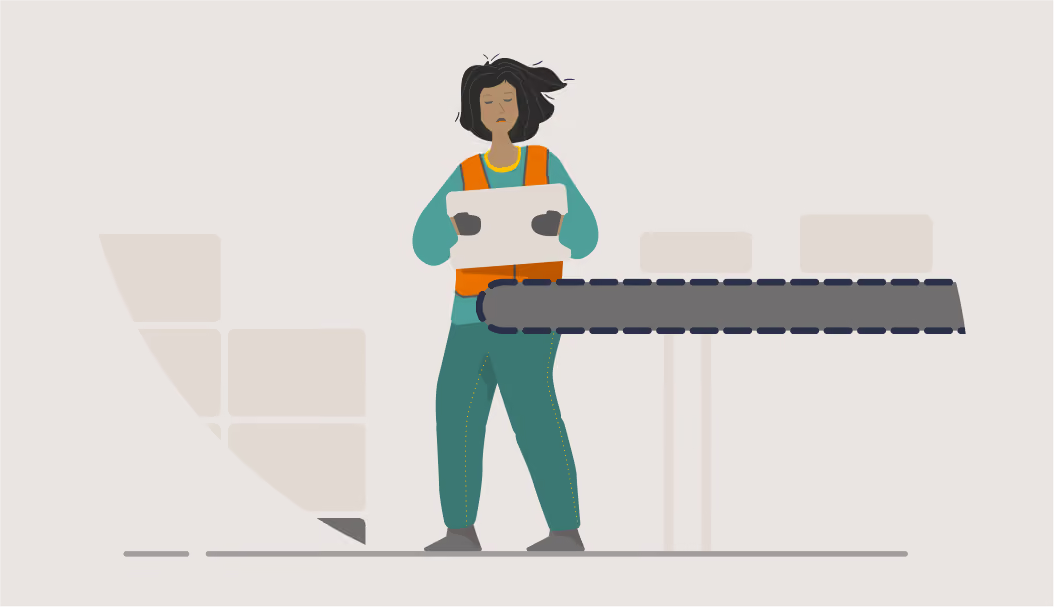
Shift work refers to a work schedule that falls outside the hours of 7am and 6pm. Shift work can include evening, night, and early morning shifts, as well as fixed or rotating shift schedules.
What is shift work disorder?
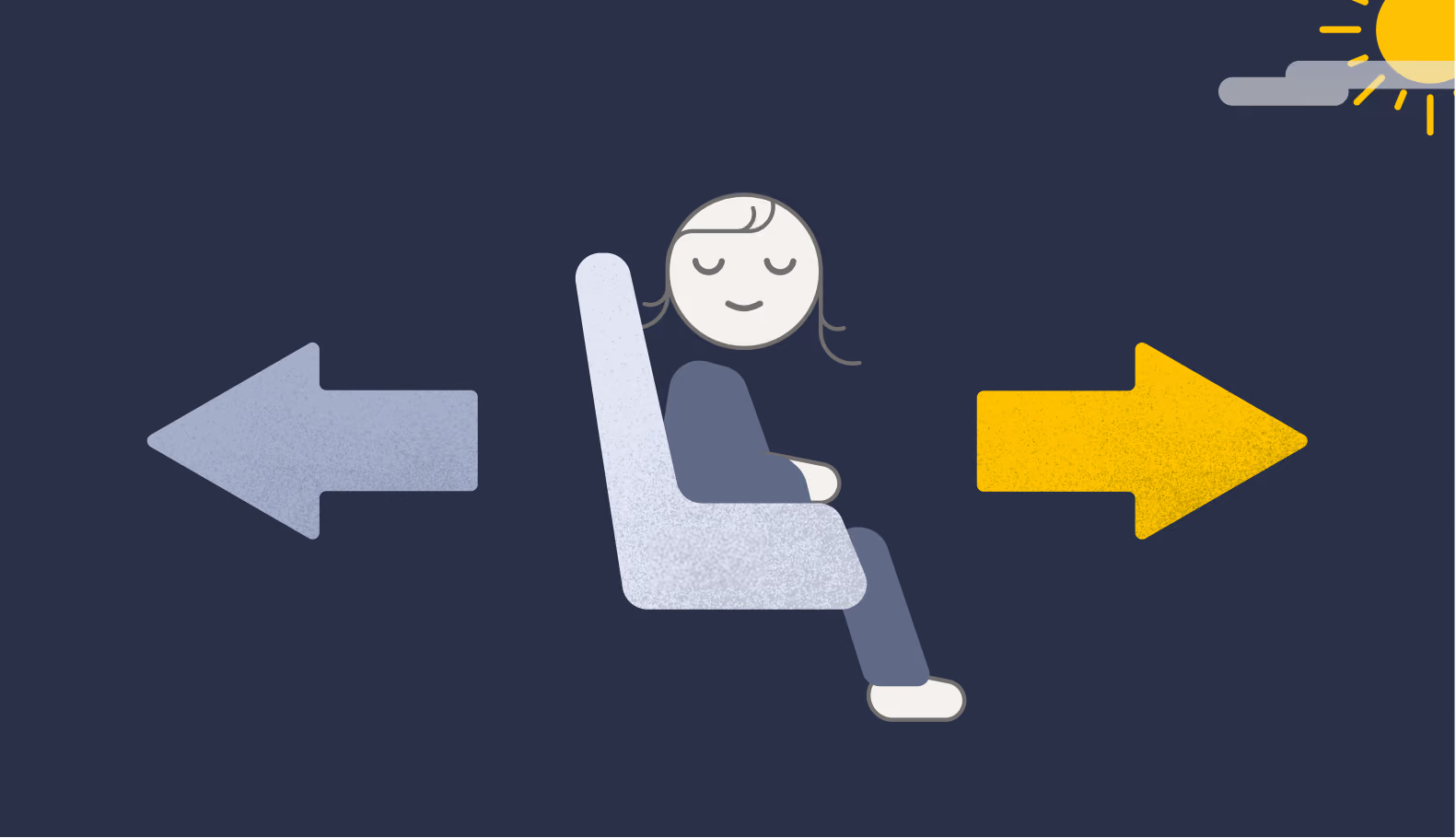
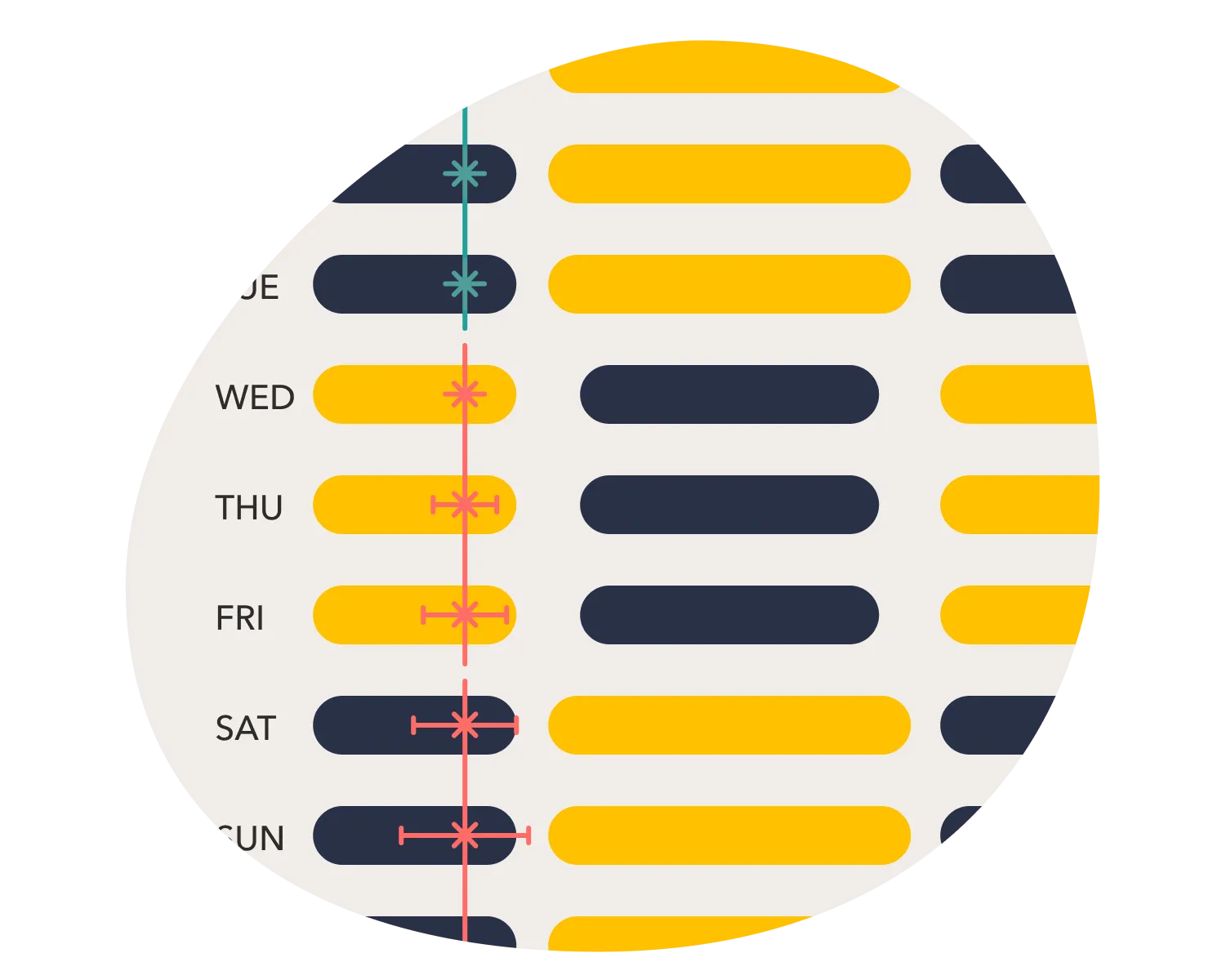
Our circadian rhythm evolved to align with the light/dark cycle according to the earth’s rotation. When a shift workers’ schedule changes, their sleep/wake and light/dark cycles shift too quickly for their circadian clock to keep up. This results in a misalignment between their behavior and their internal circadian clock, and can lead to problems with safety, performance, and health.
“Shift work is hard on workers, disrupting sleep, performance, health and safety. We can apply sleep and circadian neuroscience to help employees reduce the negative effects of changing shifts and improve their health and quality of life.”
— Steven W. Lockley, Ph.D., Associate Professor at Harvard Medical School and Co-founder of Timeshifter
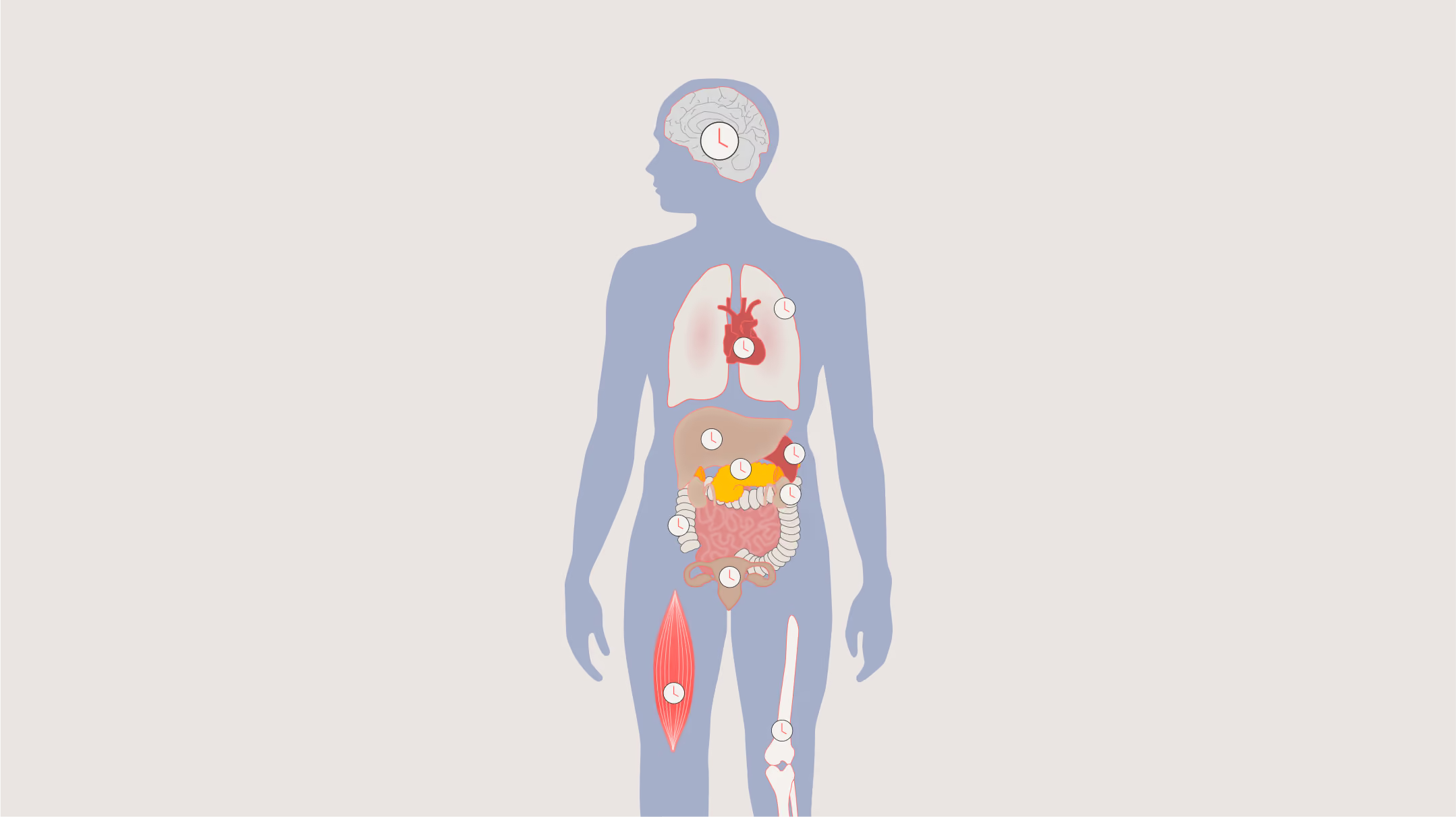
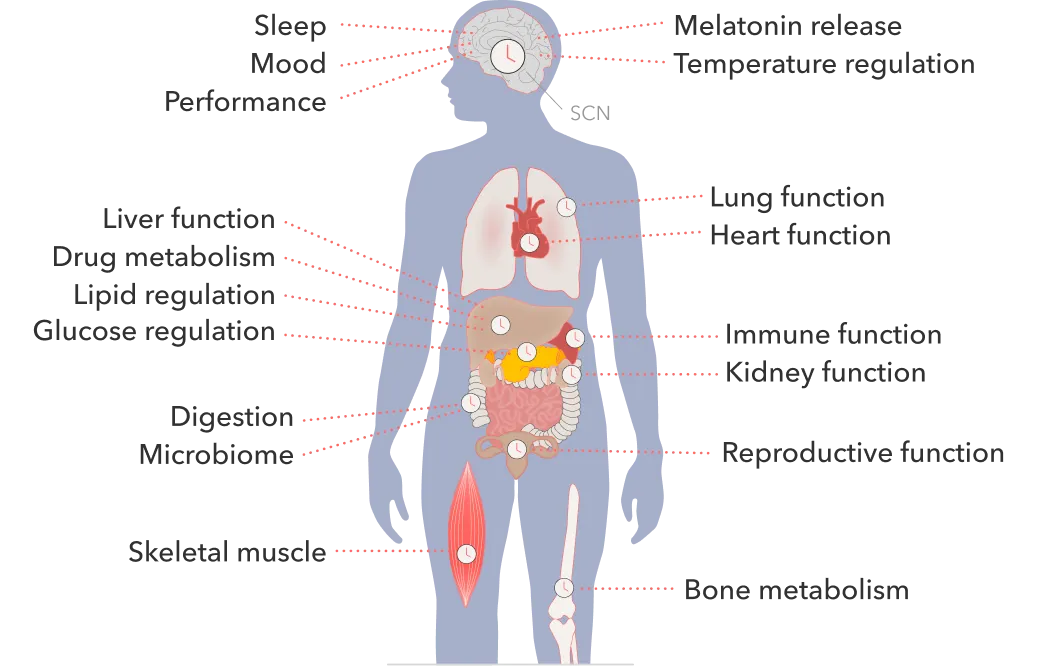
Shift work affects almost every biological system in our bodies
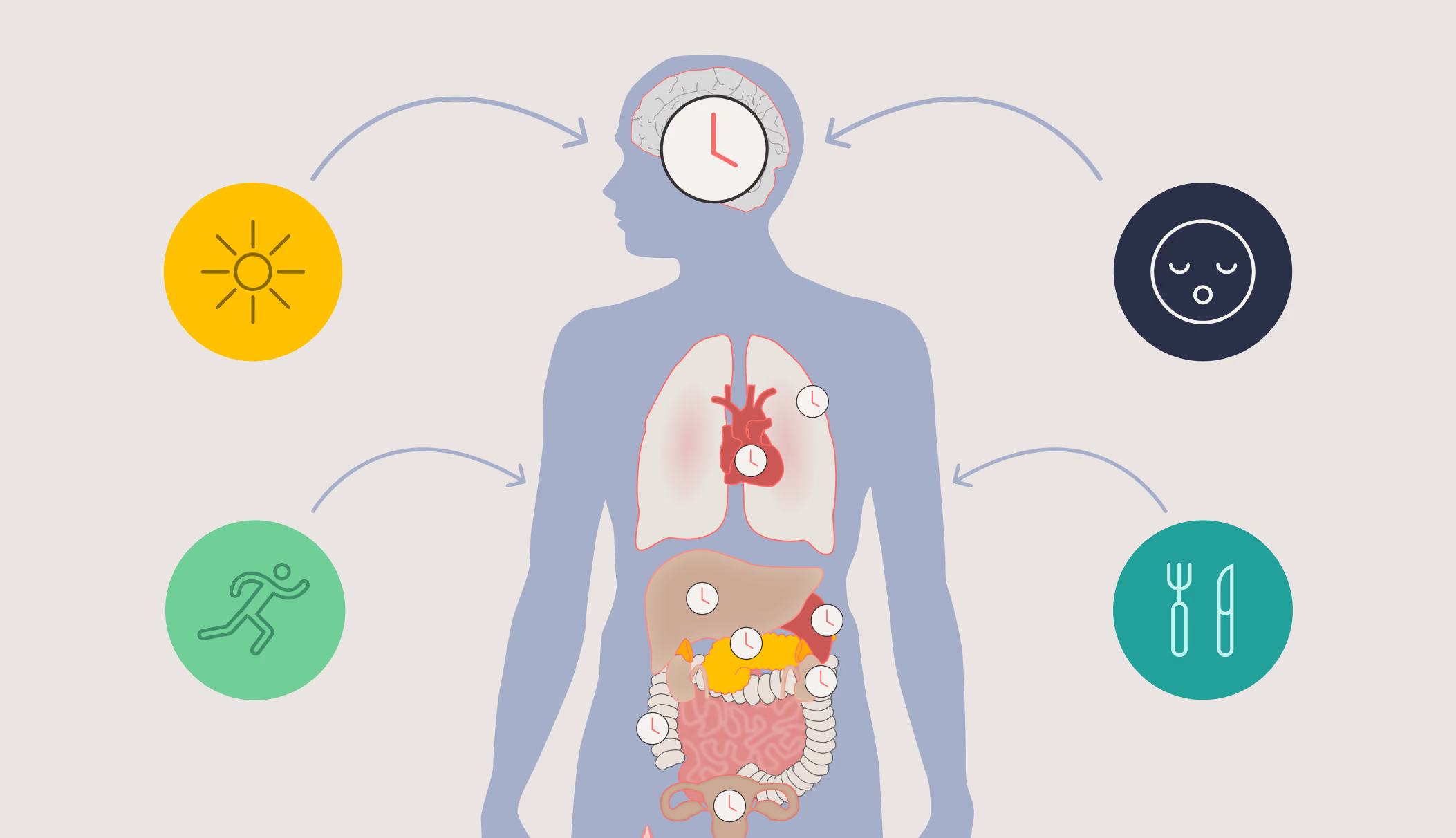
Don’t confuse sleep with circadian rhythms — sleep is only one of many systems regulated by our circadian rhythm.
The symptoms of shift work disorder
- Increased risk of accidents
- Lost productivity
- Increased risk of errors
- Weakened immune function
- High absenteeism
- Long-term health implications
- High employee turnover
- Poor quality of life

How to work shifts and stay safe and healthy
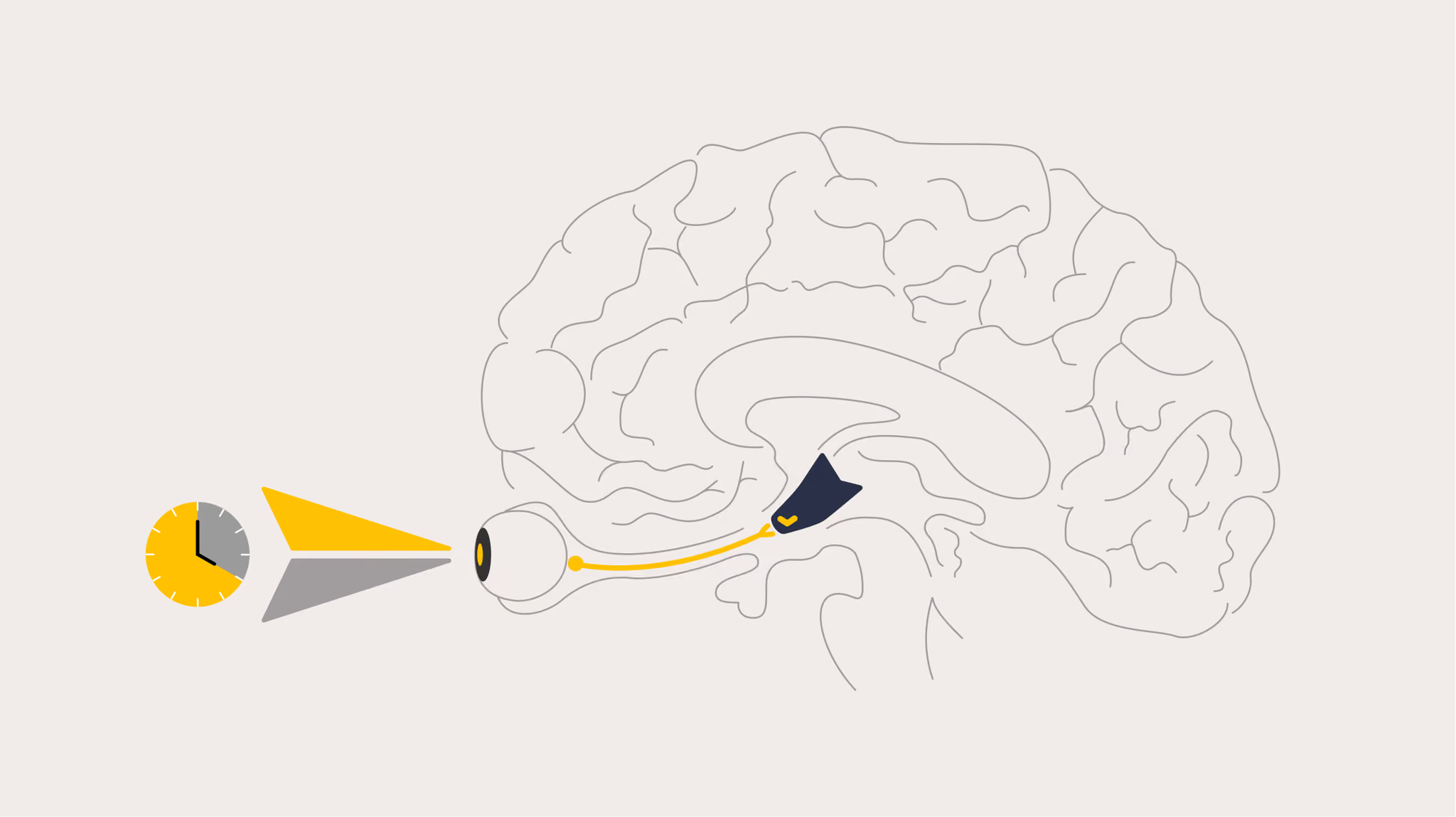
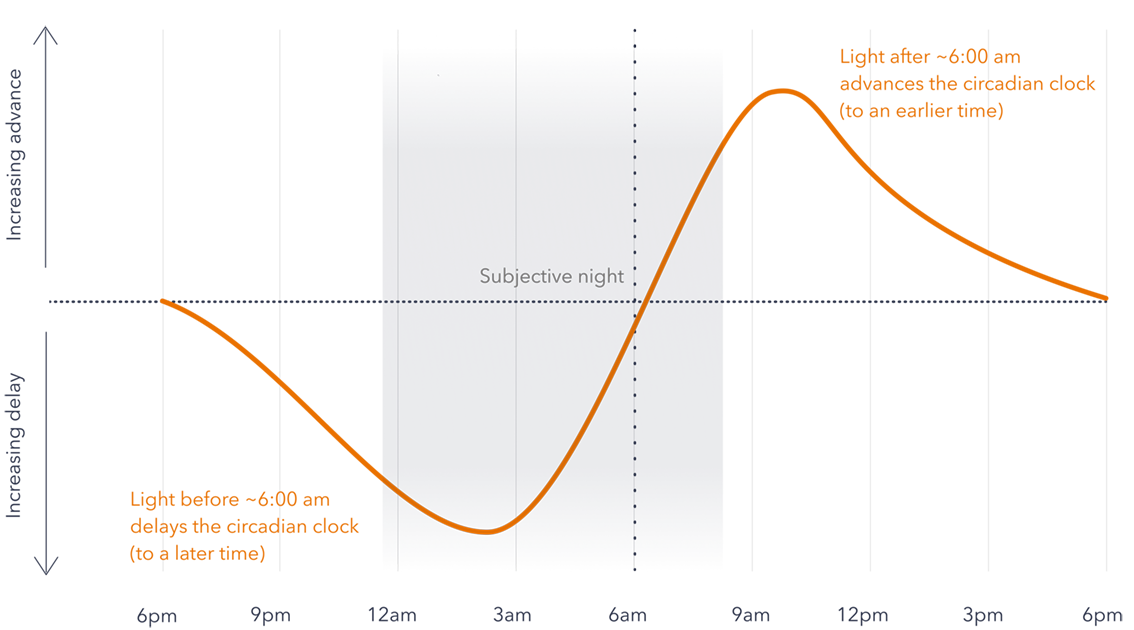
Surprising to many, light is the most important time cue for resetting your circadian clock. Managing when to see light and when to avoid light is critical to reducing the negative effects of shift work.
Astronauts have been timeshifting for years
Astronauts were some of the first to timeshift. Watch this video to understand how light is used on the International Space Station to help improve the performance, safety, and health of astronauts.
Melatonin supplements can speed up adaptation
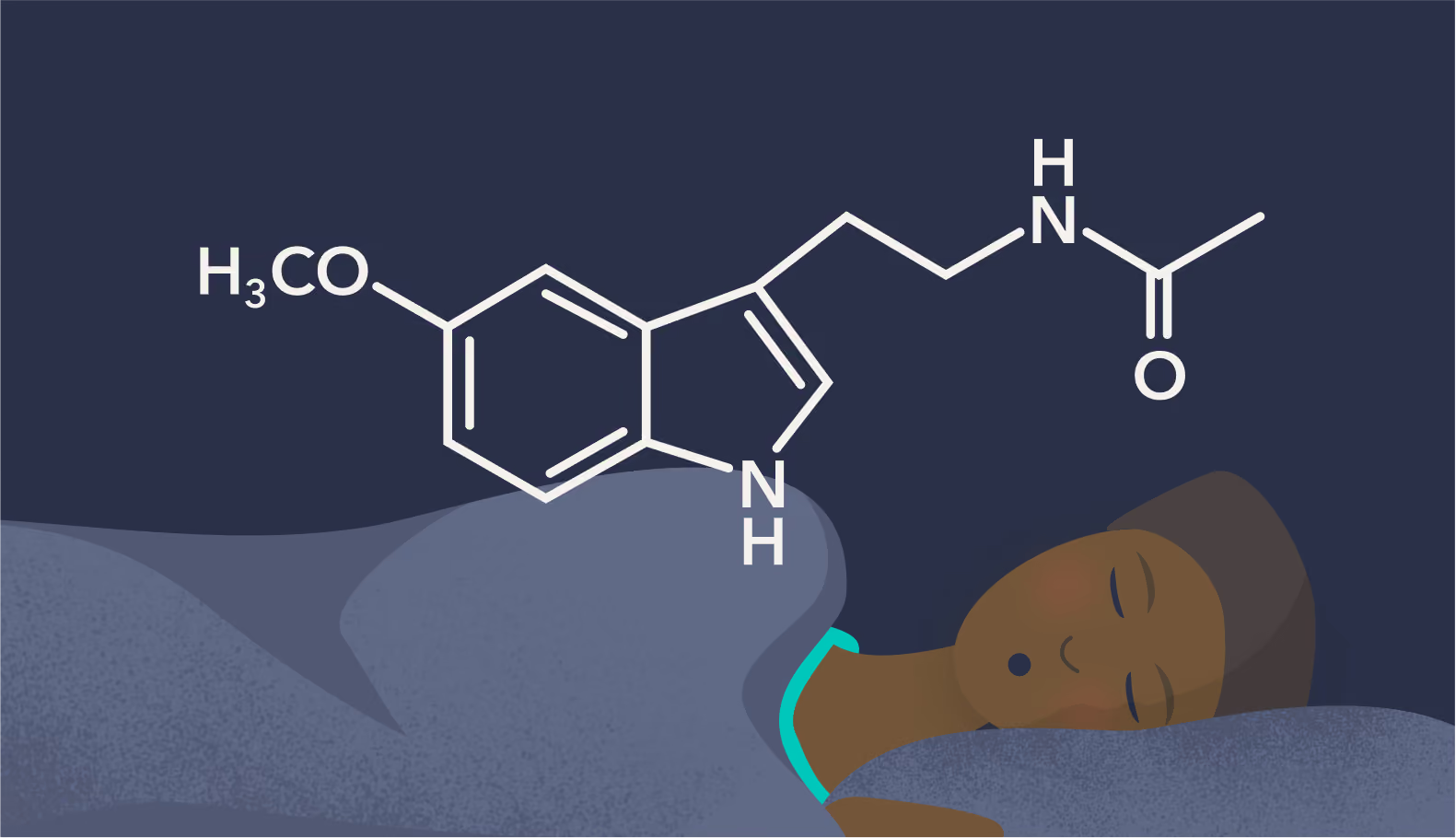
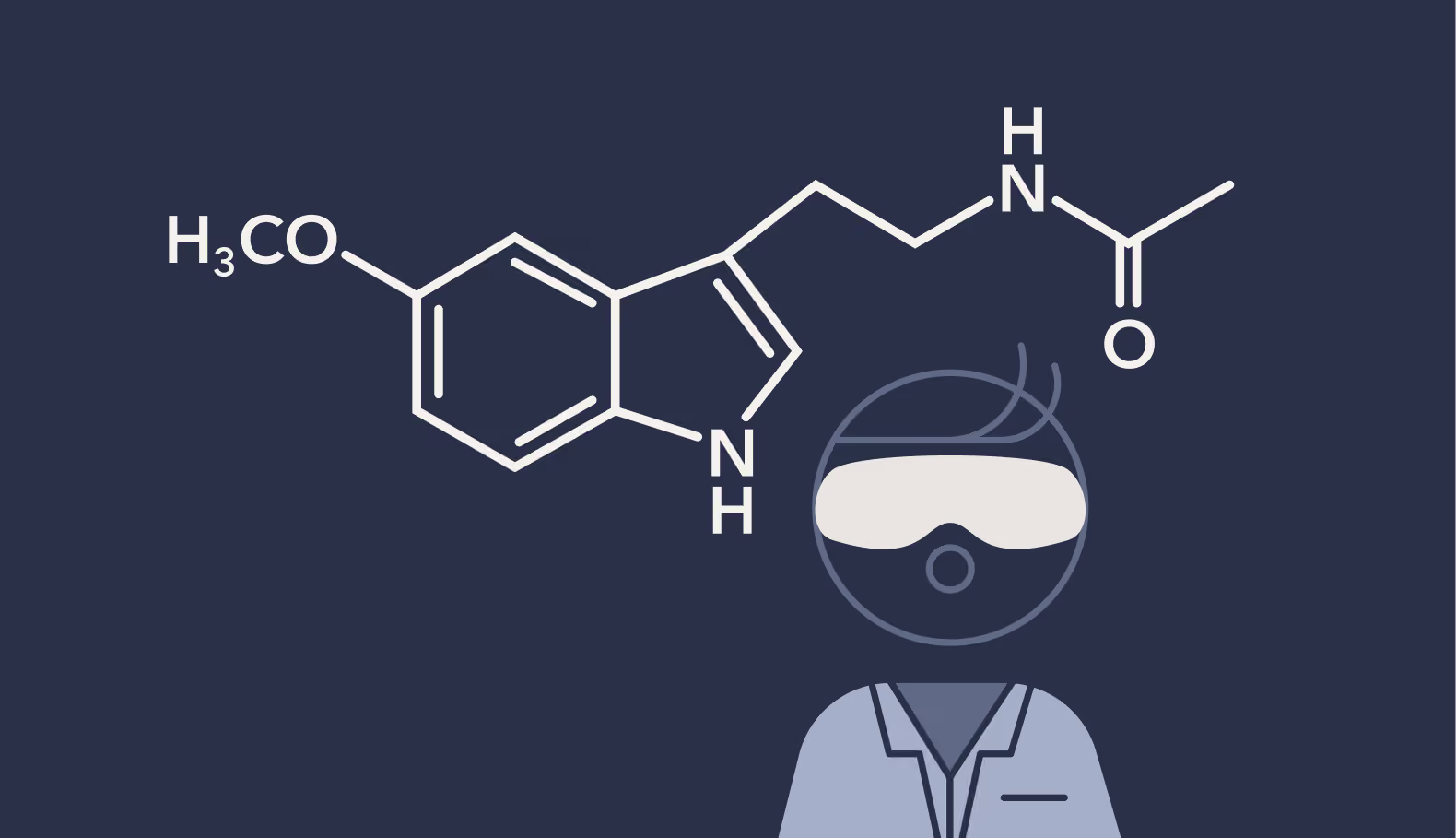
In addition to timed light exposure, the right type and dose of melatonin, at the right time, can help you shift the timing of your circadian clock to help you manage shift work better. Melatonin can also help you sleep when you are transitioning between work shifts by telling the brain to sleep at a different time than normal.
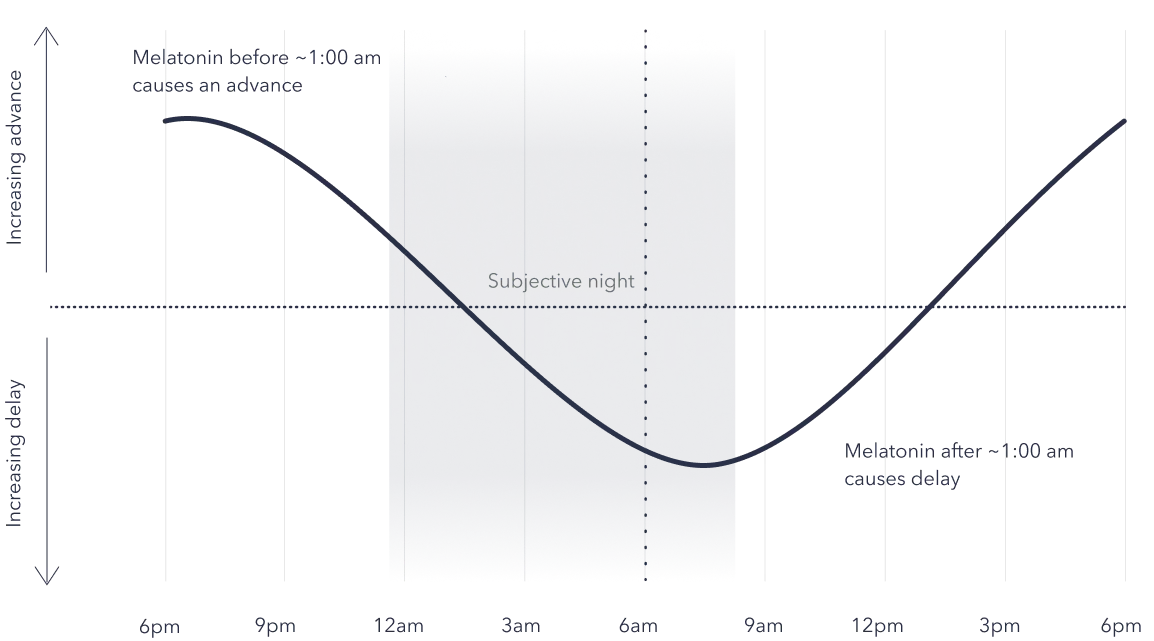
Timing is everything
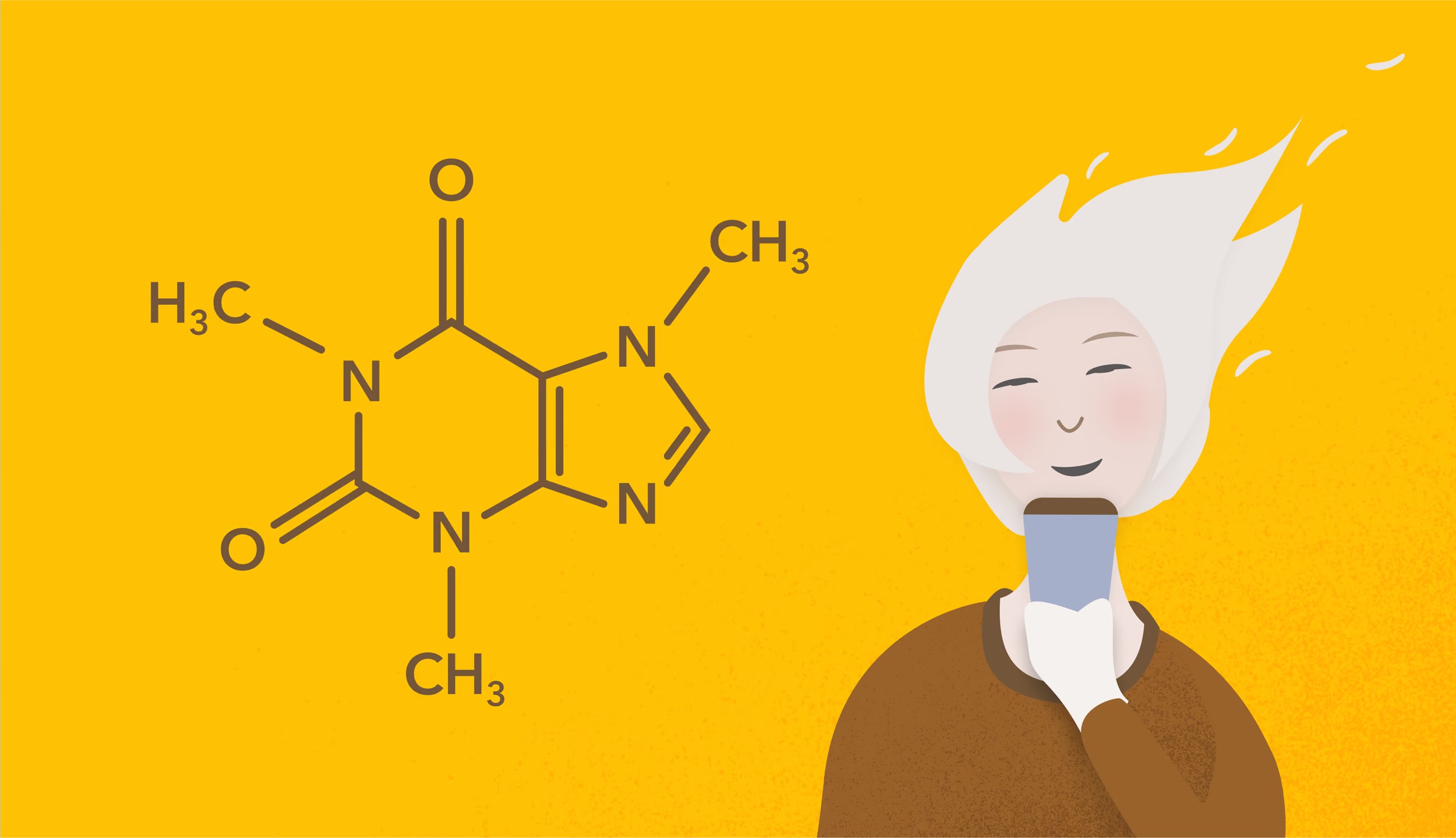
The challenge is to find out the right timing for when to see and avoid light, take melatonin, sleep or nap, and enjoy caffeine. Solving this challenge is deceptively complicated, and can only be determined based on your sleep pattern, chronotype, work schedule, and personal constraints and preferences. With Timeshifter, you can create personalized advice with all of this in mind.
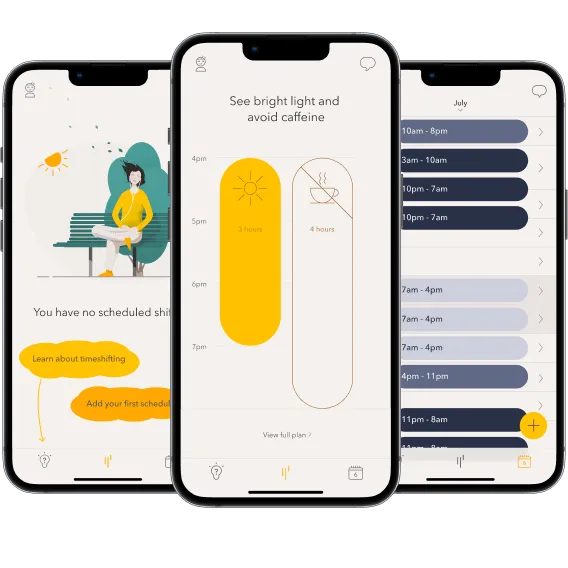
The shift work app that improves sleep and alertness, personalized to your schedule.
FAQ
What is shift work disruption?
Shift work disruption is the circadian misalignment caused by working schedules that conflict with the body's internal clock. Symptoms include chronic sleep disruption, excessive sleepiness during work, impaired alertness, and increased risk of accidents, cardiovascular disease, metabolic disorders, and mental health issues.
How does shift work affect health?
Shift work increases the risk of obesity, heart disease, diabetes, depression, and certain cancers. These risks arise because the body remains in a state of partial circadian adaptation, where the internal clock is never fully aligned with the work schedule.
What is the most important time cue for resetting the circadian clock?
Light is by far the most important time cue for resetting the human circadian clock. Managing when to see bright light and when to avoid light, timed correctly relative to the work schedule, is the most effective non-pharmacological strategy for reducing the negative effects of shift work.
Can melatonin help with shift work?
Yes, when used correctly. The right type and dose of melatonin, taken at the right time, can help shift the timing of the circadian clock and support sleep when transitioning between work shifts. Both light exposure and melatonin must be timed correctly relative to the shift schedule to be of benefit.
Can an app help with shift work disruption?
Yes. Timeshifter's shift work app provides personalized circadian advice for any work schedule, including when to see and avoid light, when to take melatonin, when to sleep or nap, and when to use caffeine, based on chronotype, sleep pattern, and shift schedule.
References
- Khalsa SBS, Jewett ME, Cajochen C, Czeisler CA. A phase response curve to single bright light pulses in human subjects. J Physiol. 2003;549(Pt 3):945–952.
- Folkard S, Arendt J, Clark M. Can melatonin improve shift workers' tolerance of the night shift? Some preliminary findings. Chronobiol Int. 1993;10(5):315–320.
- Arendt J, Skene DJ, Middleton B, Lockley SW, Deacon S. Efficacy of melatonin treatment in jet lag, shift work, and blindness. J Biol Rhythms. 1997;12(6):604–617.
- Sack RL, Auckley D, Auger RR, Carskadon MA, Wright KP Jr, Vitiello MV, et al. Circadian rhythm sleep disorders: part I, basic principles, shift work and jet lag disorders. An American Academy of Sleep Medicine review. Sleep. 2007;30(11):1460–1483.