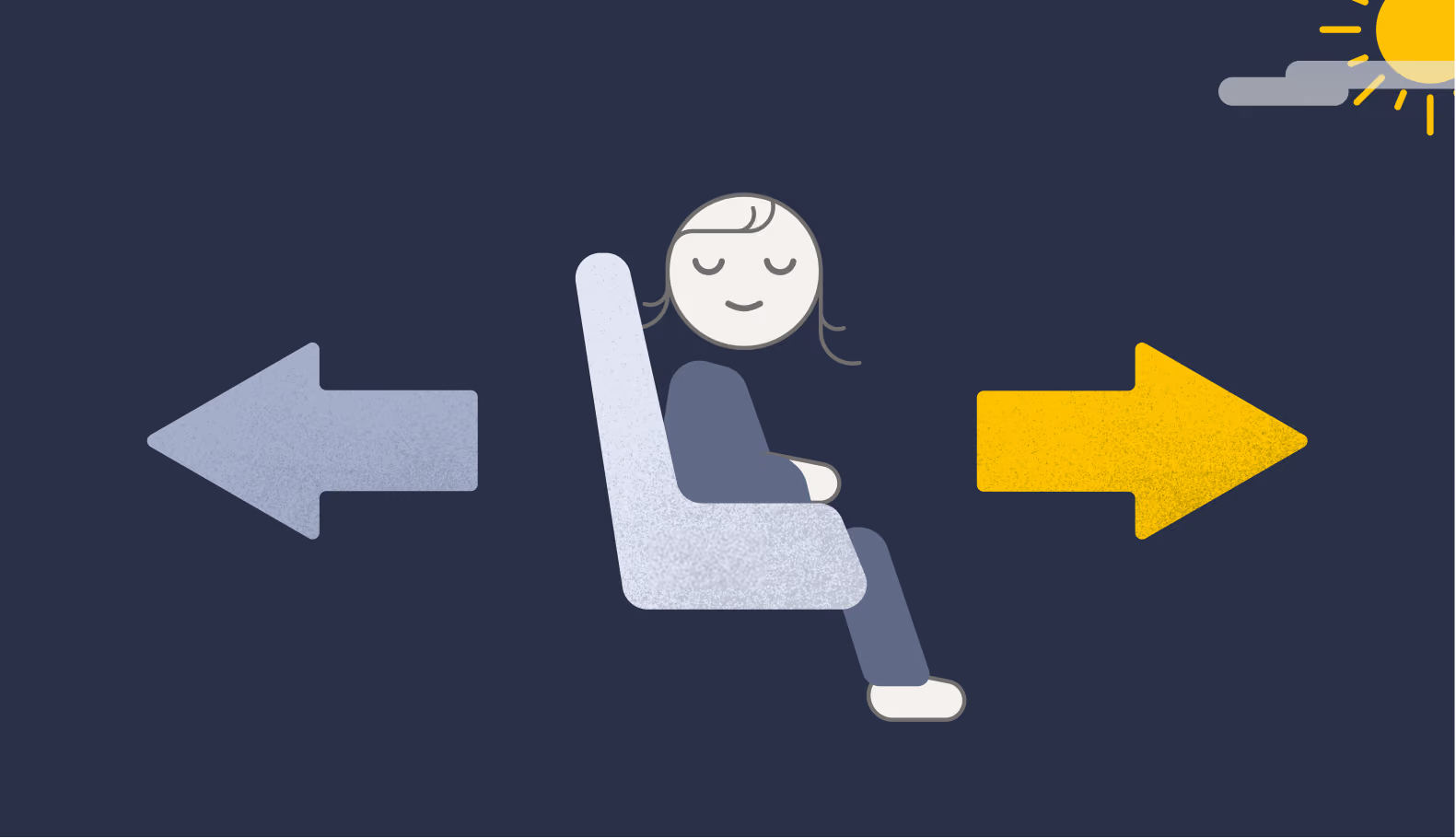
Is jet lag worse going east or west?

For most people, jet lag is worse going east. About 75% of us have an internal circadian clock that runs slightly longer than 24 hours, so delaying it (traveling west) feels natural while advancing it (traveling east) fights our biology. Morning chronotypes with shorter-than-24-hour clocks – about 25% of people – are the exception, and often find eastward travel easier.
Why is jet lag often worse going east?
When we travel west, we need to delay our circadian clock to a later time, and lengthen our day. When we travel east, we need to advance our circadian clock to an earlier time and shorten our day.
To understand these statements, let's consider two scenarios:
- Westward travel needs a delay: If I am having lunch in New York, people in LA (3 time zones west of New York) are having breakfast. People in LA do things later than people in New York, so in order to shift from New York to LA time, we need to delay our clock. When you travel to LA from New York, and go to bed at 11pm LA time, that is the equivalent of 2am in New York time, so you have stayed up 3 hours later than normal and 'lengthened' your day by 3 hours.
- Eastward travel needs an advance: If I am having lunch in New York, people in Paris (6 time zones east of New York) are having dinner. People in Paris do things earlier than people in New York, so in order to shift from New York to Paris time, we need to advance our clock. When you travel to Paris from New York, and go to bed at 11pm Paris time, that is the equivalent of 5pm in New York time, so you have gone to bed 6 hours earlier than normal and 'shortened' your day by 6 hours (and why it is hard to go to sleep).
Jet lag is history.
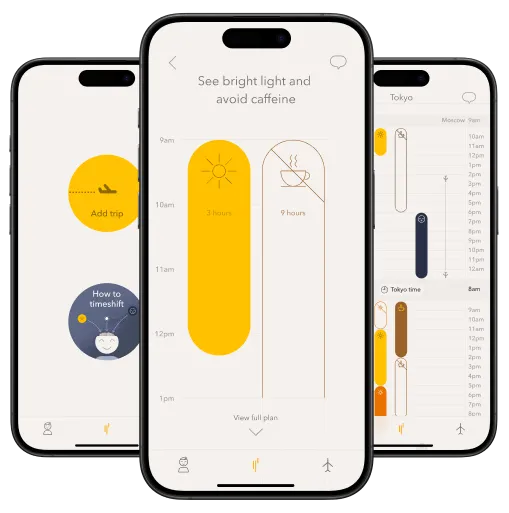
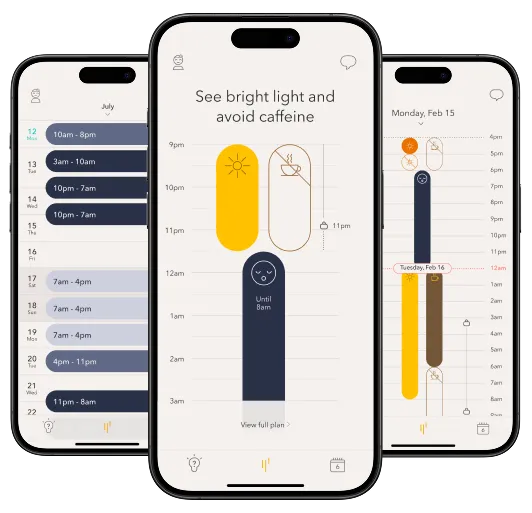
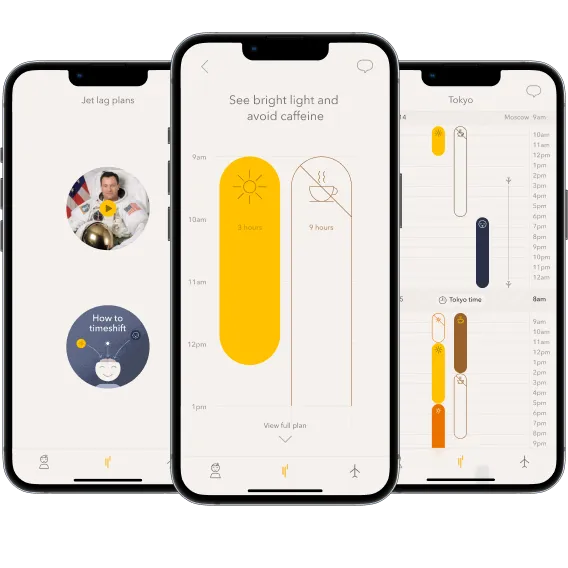
Timeshifter's jet lag app is the most downloaded and highest-rated jet lag app in the world. Get personalized jet lag plans based on your sleep pattern, chronotype, itinerary, and personal preferences.
Learn more
The chronotype exception
How does this relate to your circadian clock and chronotype? About 75% of people have a circadian clock with a day length longer than 24 hours. This is the equivalent of naturally traveling a little bit west every day and so most people find it easier to travel west, as they are 'going with the their clock', not against it. These people tend to be more evening types who naturally stay up later and so find it easier to lengthen their day.
About 25% of people have a circadian clock with a day length shorter than 24 hours. This is the equivalent of naturally traveling a little bit east every day and so a quarter of people find it easier to travel east. These tend to be morning types who prefer to sleep and wake up earlier and so they can more easily shorten their day.
Of course, circadian period and chronotypes are a continuum, ranging from extreme morning to extreme evening types, and so there will be a range of how easily people can adapt to different directions.
How long does jet lag last in each direction?
Without intervention, jet lag typically lasts about one day per time zone crossed when traveling west, and often 1.5 days per time zone or more when traveling east. A 6-hour westward trip might resolve in 6 days; the same shift eastward can take 8–10 days.
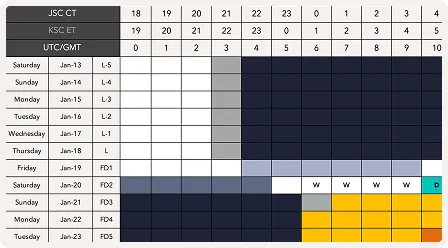
With correctly timed light exposure and avoidance – the most powerful tool for shifting the circadian clock – adaptation can be compressed to 2–3 time zones per day in either direction. That cuts recovery from days to barely any noticeable jet lag on most trips.
How to recover faster, regardless of direction
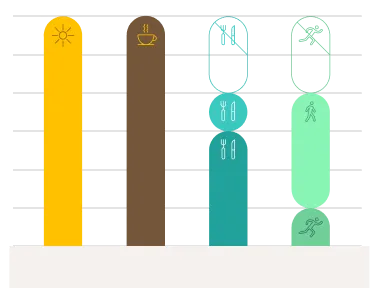
Light is by far the most powerful tool for resetting your circadian clock – and the timing of both light exposure and light avoidance differs based on travel direction. Seeing light at the wrong time can shift your clock in the wrong direction and make jet lag worse. Eastward travel generally requires seeing light in the morning and avoiding it in the late evening to advance the clock; westward travel typically requires seeing light in the evening and avoiding it in the early morning to delay the clock.
Correctly timed melatonin can accelerate the light-driven shift in both directions, but it works as a supporting tool – not a replacement for proper light timing.