GWS Circadian Trend Report

Back in 2019, the Global Wellness Summit published a trend report that essentially argued the wellness world had been thinking about sleep all wrong. The piece, written by Beth McGroarty, makes a provocative case: we've built a $432 billion sleep industry – smart mattresses, CBD gummies, nap pods, sleep robots that literally cuddle you – and we're still not sleeping. The problem isn't that we need better pillows. It's that we've been ignoring the biology underneath.
From sleep to circadian health
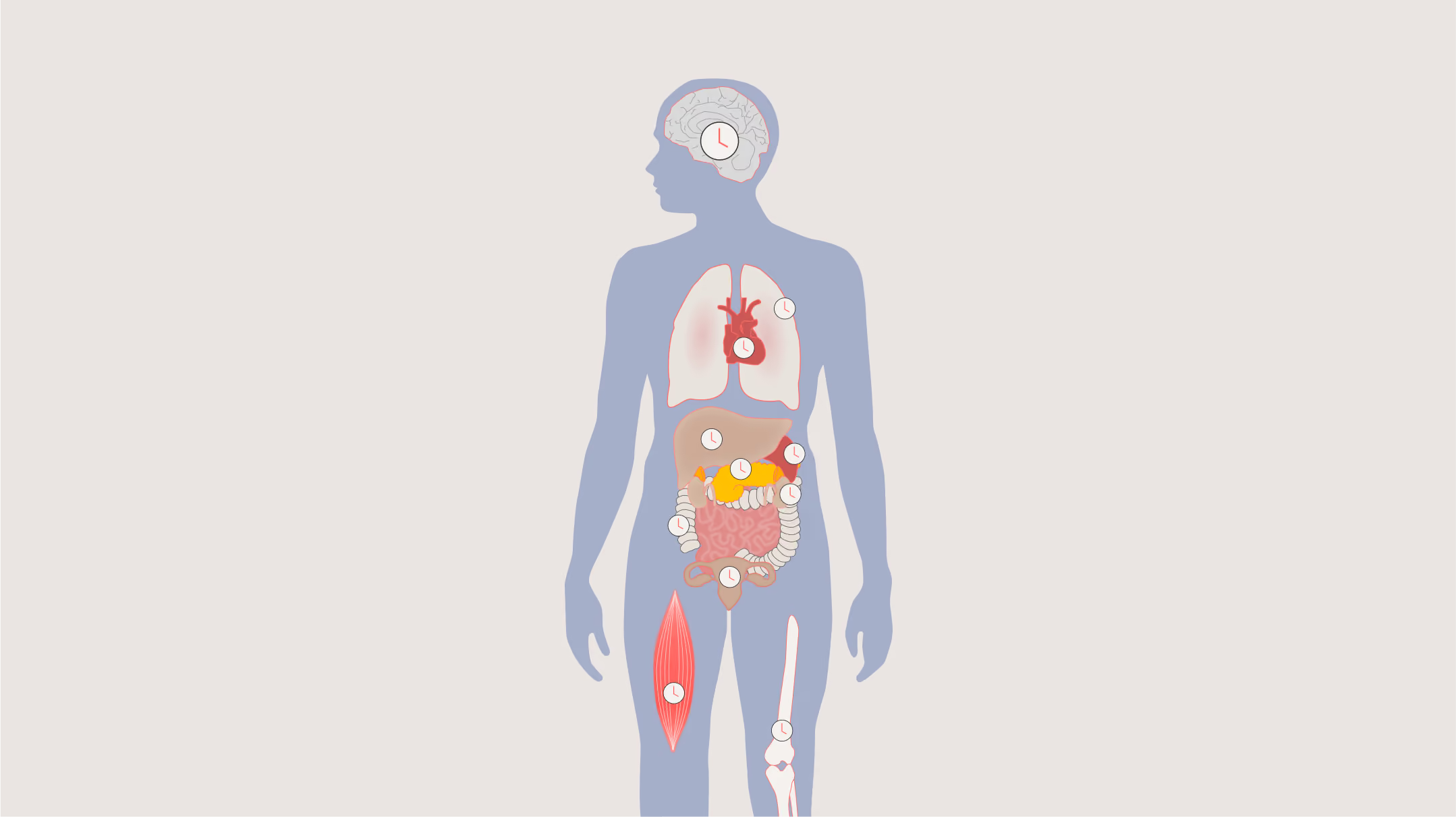
The report's central argument is that the conversation needs to shift from "sleep" to circadian health. Our bodies don't just need more hours in bed – they need properly timed exposure to light and dark, the same 24-hour solar cycle that's been regulating life on Earth for billions of years. The 2017 Nobel Prize in Medicine went to researchers who showed that clock genes operate in nearly every cell in our bodies, governing not just sleep but metabolism, immune function, hormones, mood, and body temperature. Disrupting those rhythms – through night shifts, screen-blasting after dark, jet lag, or just being chained to a desk away from sunlight – is linked to obesity, diabetes, depression, heart disease, and worse.
The “lightmare” and how circadian science is reshaping wellness
McGroarty coins the term "lightmare" for the modern condition of getting too much artificial light at night and too little natural light during the day. It's a useful word. She walks through several areas where circadian science was starting to reshape wellness practices: home lighting (tunable LED systems that shift color temperature throughout the day), diet (the argument that intermittent fasting works partly because it aligns eating with daylight hours – what the report calls "circadian eating"), and most prominently, travel.
Timeshifter and circadian travel
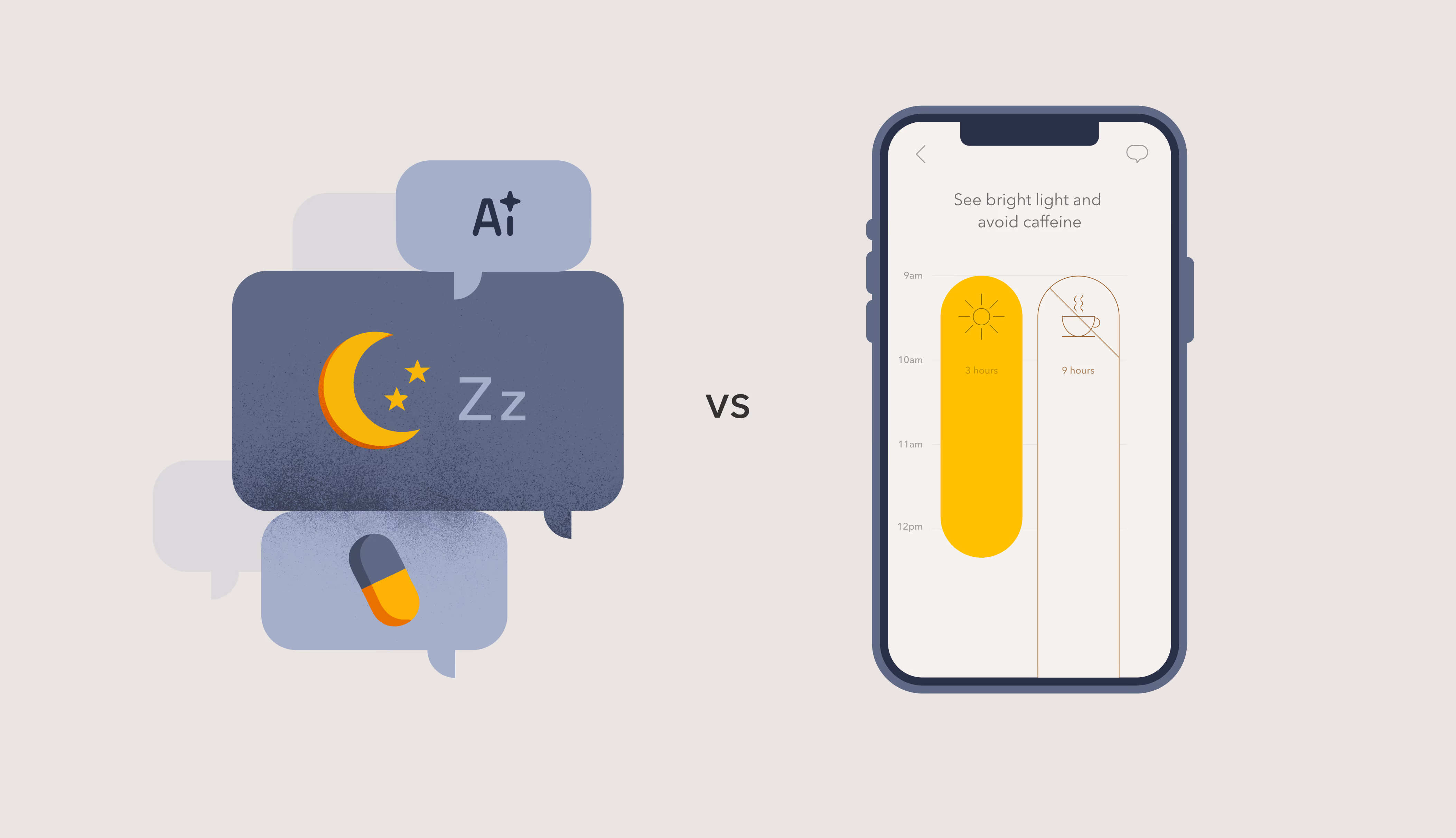
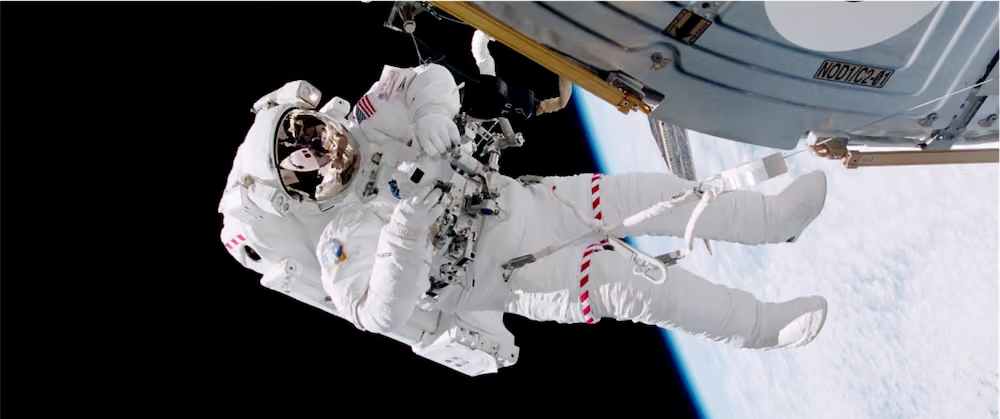
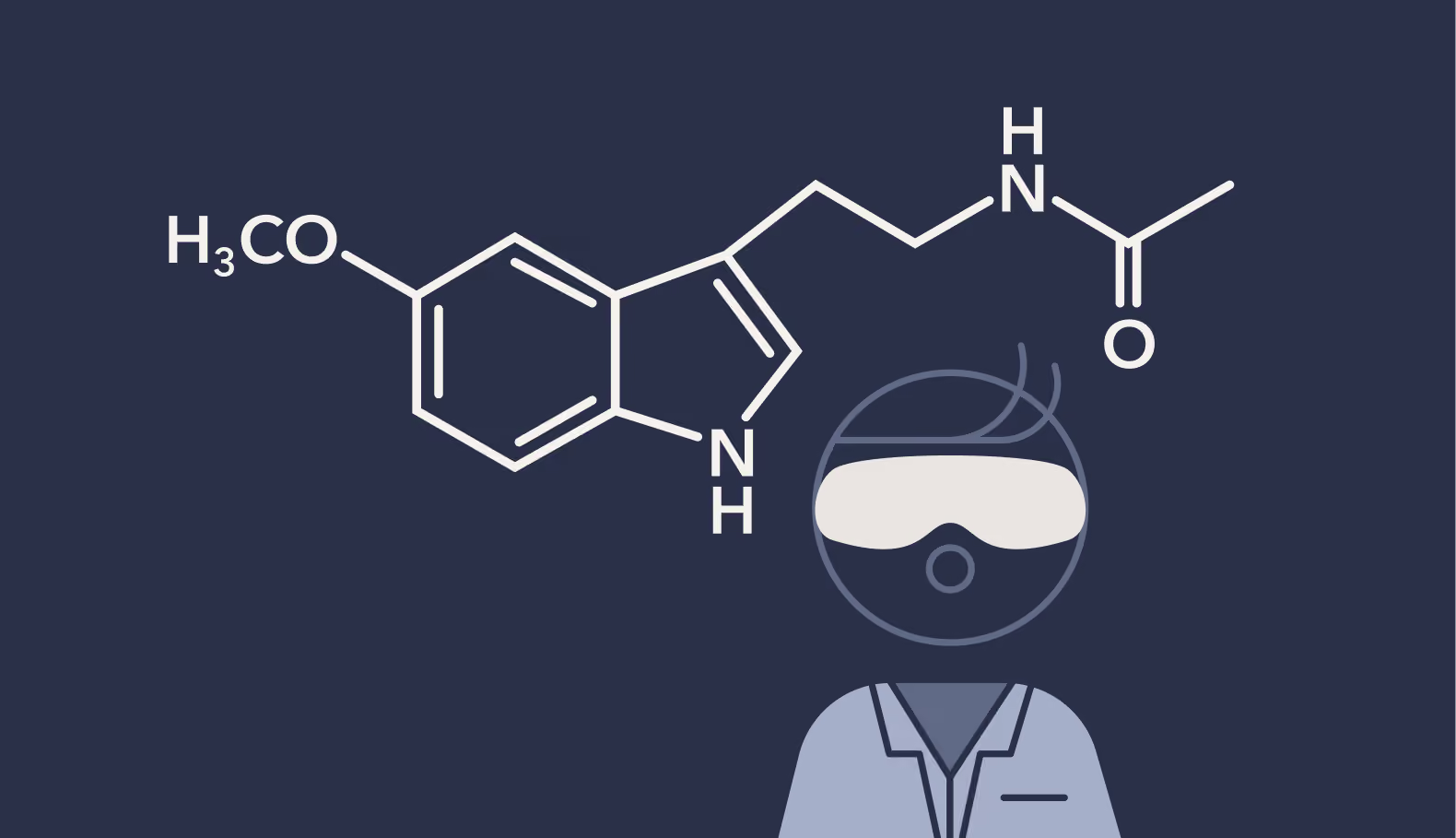
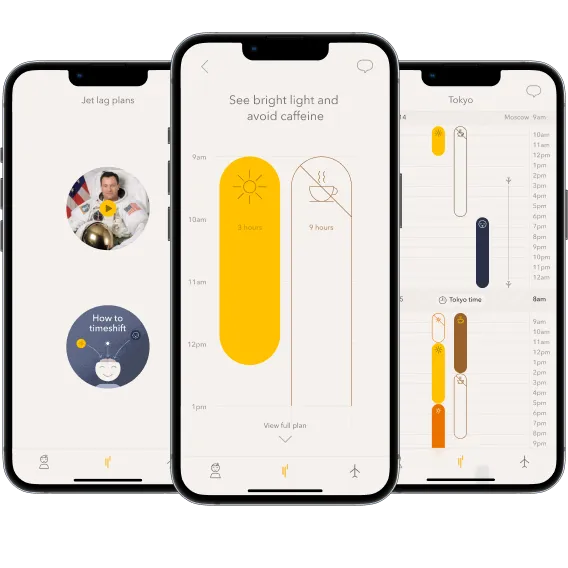
The travel section is where Timeshifter gets the spotlight. The report positions it as the clearest example of what real circadian solutions look like versus the "circadian washing" that plagues the wellness industry. Where hotels were throwing sleep massages, pillow menus, and CBD minibars at exhausted travelers and calling it circadian, Timeshifter was doing something fundamentally different – using precisely timed light exposure to actually shift the biological clock. The app, developed with Harvard circadian scientist Dr. Steven Lockley (who also designed circadian protocols for NASA astronauts), gives travelers a personalized schedule telling them exactly when to seek and avoid light, when to nap, and when to use small doses of melatonin or caffeine based on their itinerary and chronotype. McGroarty writes that it "works like magic," and the report credits Mickey Beyer-Clausen's keynote at the Summit as the catalyst that inspired the broader trend prediction. The piece also highlights Timeshifter's early partnerships with Six Senses, United Airlines, Montblanc, and several Fortune 500 companies, and frames the app as both a product and a metaphor for where the travel industry needs to head – away from generic sleep amenities and toward personalized, science-based circadian solutions.
The most downloaded and highest-rated jet lag app in the world.
Dr. Lockley on circadian washing
Some of the most interesting material comes from Dr. Lockley, who the report quotes extensively throughout. He's blunt about circadian washing – wellness brands slapping the word "circadian" on products that have zero impact on actual circadian biology. A sleep massage doesn't reset your clock. Neither does a special pillow or a sound bath. Light does. Specifically, bright blue-enriched light during the day and minimal, dim, warm light after dark. That's the mechanism. Everything else is comfort, not chronobiology.
The future of circadian medicine
The report also looks ahead to circadian medicine – drugs targeting clock proteins, real-time measurement of individual circadian states from a single blood or saliva sample, and wearable tech that could eventually tell you exactly when to sleep, eat, exercise, and take medication based on your personal internal clock. Timeshifter gets a second mention here too, with the report noting that its platform for circadian shifting could extend well beyond jet lag into shift work scheduling and even pre-surgical preparation for patients. Some of these futures have started materializing in the years since, others are still in progress.
Why the report still matters
What makes the piece worth reading today isn't just the science overview — it's the framing. McGroarty is essentially arguing that an enormous wellness industry built around treating symptoms (bad sleep) was missing the root cause (circadian disruption), and that the fix is deceptively simple in principle and very hard in practice: restructure your relationship with light. Get outside during the day. Stop staring at screens at night. Eat when the sun is up. It's not a product you buy – it's a behavior change most people find genuinely difficult to make, which is probably why we keep buying the products instead.