

The science behind peak performance
How your circadian clock shapes every rep, sprint, and recovery window
Most athletes think about training in terms of sets, reps, volume, and intensity. The best ones also think about when.
A growing body of research shows that the circadian system — the body’s internal 24-hour clock — doesn’t just regulate sleep. It orchestrates nearly every physiological process that determines athletic output: muscular force production, oxygen uptake, reaction speed, pain tolerance, hormonal signaling, and the cellular repair mechanisms that turn training stimulus into adaptation. Ignore it, and you’re leaving performance on the table. Align with it, and you unlock gains that no supplement or recovery gadget can replicate.
Your body runs on a clock — and it’s not optional
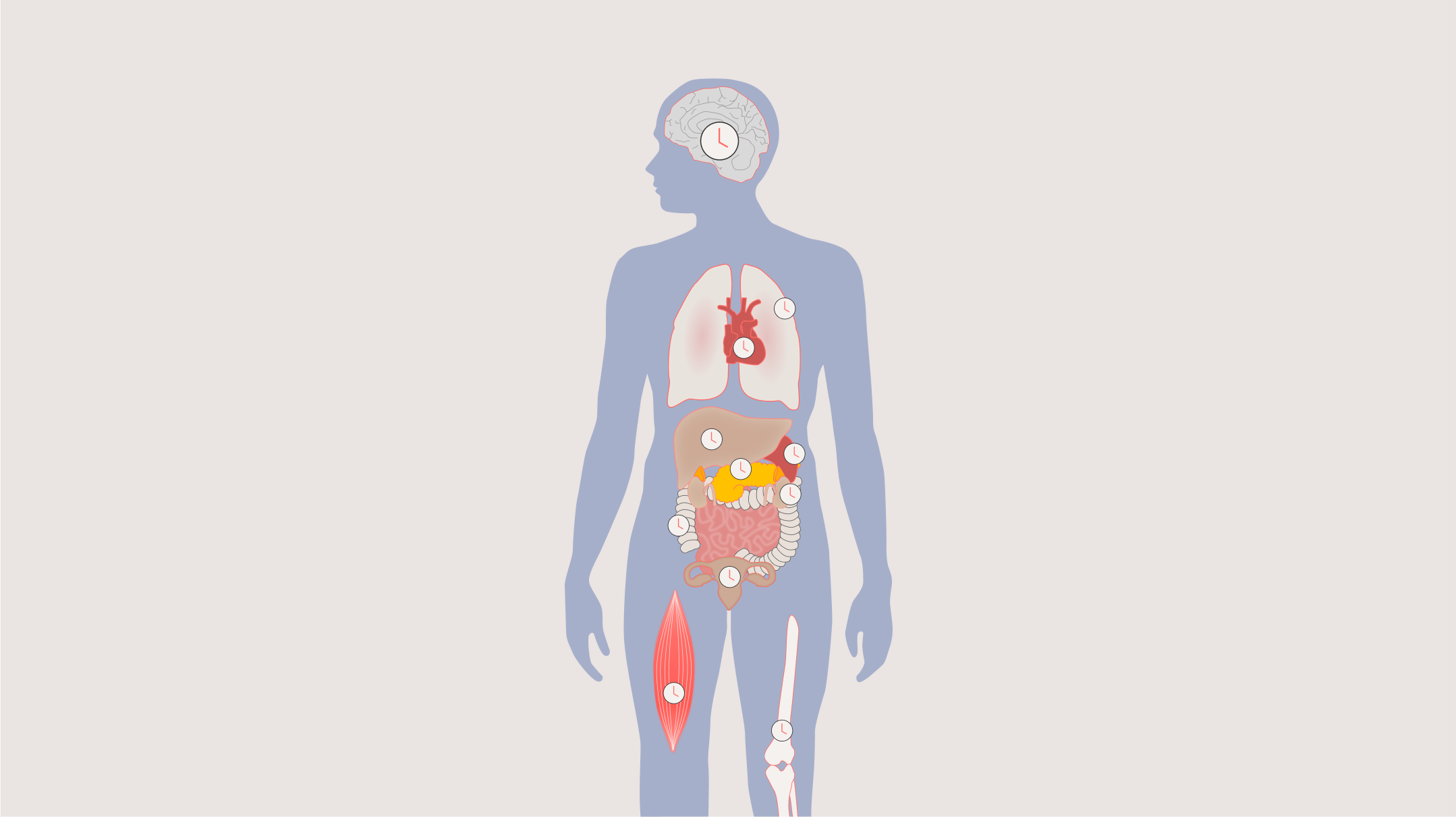
The human circadian system is anchored by a master pacemaker in the suprachiasmatic nucleus (SCN), a small cluster of neurons in the hypothalamus that synchronizes peripheral clocks in virtually every tissue — muscle, liver, heart, lungs, and the endocrine glands that produce testosterone, cortisol, growth hormone, and melatonin.
These clocks don’t idle. They actively regulate when the body is primed for exertion and when it’s primed for repair. Core body temperature, for instance, follows a circadian rhythm that peaks in the late afternoon and troughs in the early morning hours. That temperature curve isn’t trivial — it correlates tightly with neuromuscular function, enzyme activity, and metabolic rate. When core temperature is elevated, nerve conduction velocity increases, muscle compliance improves, and the energy systems that fuel explosive movement operate more efficiently (Reilly & Waterhouse, 2009).
This is why, across dozens of studies, afternoon performance consistently exceeds morning performance in measures of peak power output, anaerobic capacity, and voluntary maximal strength — often by 5–10% or more (Chtourou & Souissi, 2012). That margin is enormous in competitive contexts.
The hormonal architecture of performance timing
The circadian system shapes the hormonal milieu that underpins both performance and recovery. Cortisol — the body’s primary stress and mobilization hormone — peaks sharply in the early morning, preparing the body for wakefulness and activity. Testosterone, a key driver of neuromuscular force and recovery signaling, follows its own circadian curve with a morning peak that declines through the day (Diver et al., 2003).
But here’s where the picture gets more nuanced than “morning hormones, afternoon power.” The testosterone-to-cortisol ratio — widely used as a biomarker for anabolic status and recovery readiness — actually shifts across the day in ways that favor high-intensity training in the late afternoon, when cortisol has dropped but neuromuscular readiness is at its highest (Hayes et al., 2010).
Growth hormone, the primary driver of tissue repair and adaptation, follows yet another pattern — its largest secretory pulse occurs during the first 90 minutes of slow-wave sleep, making the timing and quality of sleep not just a recovery nice-to-have but a non-negotiable component of the adaptive process (Van Cauter & Plat, 1996). Disrupt the circadian timing of sleep — through late-night screen exposure, irregular schedules, or poorly timed travel — and you blunt the very hormone signal that converts training into physical improvement.
Reaction time, decision-making, and the cognitive peak
Athletic performance isn’t purely physical. Reaction time, decision-making speed, attentional focus, and risk assessment all follow circadian patterns — and they don’t all peak at the same time.
Simple reaction time tends to be fastest in the early-to-mid afternoon, tracking closely with core body temperature (Valdez et al., 2012). Complex decision-making and executive function, however, involve prefrontal cortex processes that are more sensitive to sleep pressure — meaning they degrade faster as time awake increases, even if circadian drive is still rising. This creates a window in the mid-to-late afternoon where both physical and cognitive systems are near their peak, making it the optimal period for training or competition that demands both speed and strategic thinking.
For sports that rely heavily on split-second judgment — a goalkeeper reading a penalty kick, a quarterback processing defensive coverage, a tennis player selecting shot placement — this convergence of physical and cognitive readiness isn’t a marginal detail. It’s a structural advantage.
Chronotype: Why “afternoon is best” doesn’t apply to everyone
The average circadian peak falls in the late afternoon, but individual variation is substantial. Chronotype — a person’s genetically influenced preference for earlier or later timing — can shift the entire performance curve by several hours.
Research published in Current Biology by Facer-Childs and Brandstaetter (2015) demonstrated that peak athletic performance varied by up to 26% depending on the match between an athlete’s chronotype and the time of day they competed. Morning types peaked earlier; evening types peaked later. Critically, forcing an evening-type athlete to compete at a morning type’s optimal time produced the largest performance deficits — a finding with direct implications for scheduling training and competition.
Chronotype isn’t a preference. It’s a biological trait with measurable consequences, and it should inform how training schedules are individualized.
Training at the wrong time doesn’t just reduce output — it changes adaptation
One of the most underappreciated aspects of circadian timing is its effect on the adaptive response to training, not just the performance during a session.
Muscle protein synthesis, mitochondrial biogenesis, and the inflammatory signaling cascades that drive supercompensation are all under circadian control at the molecular level. Clock genes — BMAL1, CLOCK, PER, CRY — regulate the transcription factors involved in muscle repair and metabolic adaptation (Hodge et al., 2015). Animal studies have shown that disrupting circadian gene expression impairs muscle regeneration and reduces training-induced gains in oxidative capacity (Dyar et al., 2014).
The human implication: the same training session performed at a time when the body’s repair machinery is circadianly primed may produce a different — and potentially superior — adaptive response than the same session at a less favorable time. This doesn’t mean morning training is useless. It means that understanding where a session falls on an athlete’s circadian curve should be part of programming, not an afterthought.
Sleep isn’t just recovery — it’s where adaptation happens
Sleep is the most circadian-dependent behavior in human biology, and its role in athletic performance extends far beyond “feeling rested.”
During sleep — particularly the slow-wave stages concentrated in the first half of the night — growth hormone secretion peaks, muscle protein synthesis rates increase, and the glymphatic system clears metabolic waste from the brain (Xie et al., 2013). REM sleep, concentrated in the second half, consolidates motor learning and procedural memory — the neural encoding of movement patterns, timing, and technique (Walker & Stickgold, 2004).
Athletes who sleep fewer than seven hours show measurable increases in injury risk — a landmark study by Milewski et al. (2014) found that adolescent athletes sleeping fewer than eight hours per night were 1.7 times more likely to suffer an injury. Reaction time, sprint speed, and accuracy all degrade with sleep restriction, and the deficits compound across consecutive nights of short sleep (Mah et al., 2011).
But it’s not just duration. Circadian alignment of sleep matters. Sleeping eight hours on a shifted schedule — going to bed at 3 a.m. and waking at 11 a.m. after a week of midnight finishes, for example — doesn’t produce the same restorative benefit as eight hours aligned with the individual’s circadian phase. The hormonal pulses, sleep stage architecture, and thermoregulatory processes that make sleep restorative are circadianly gated (Dijk & Czeisler, 1995). Misaligned sleep is compromised sleep, even if the clock says you got enough.
Circadian realignment: Moving the clock, not just managing the schedule
The practical question for athletes and coaches is: what do you do about all of this?
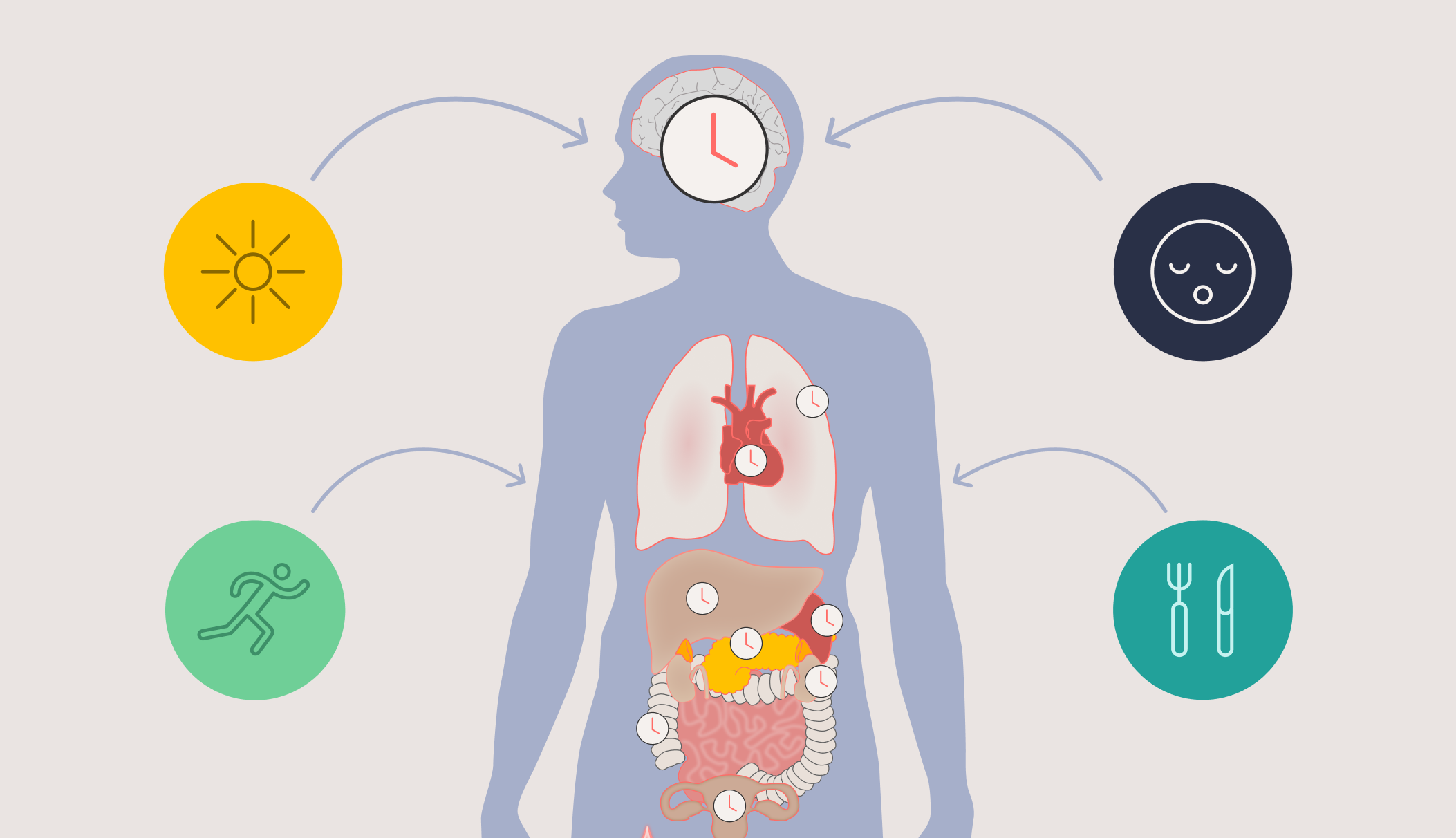
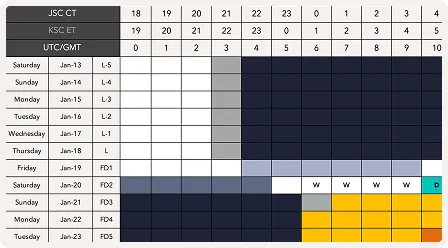
The answer is circadian realignment — strategically shifting the body’s internal clock so that peak physiological readiness coincides with the moment of competition or the training window where it matters most. This is done through four primary tools, known as zeitgebers (time-givers):
- Light exposure is the most powerful zeitgeber. Bright light in the early morning advances the circadian clock (shifts it earlier), while light exposure in the evening delays it (shifts it later). The timing, intensity, and spectrum of light all matter — and getting it wrong can shift the clock in the wrong direction.
- Sleep scheduling reinforces the desired circadian phase by anchoring the sleep-wake cycle to the target timing. This isn’t simply “go to bed earlier.” It’s a deliberate, phased adjustment that avoids the performance-killing effects of acute sleep restriction.
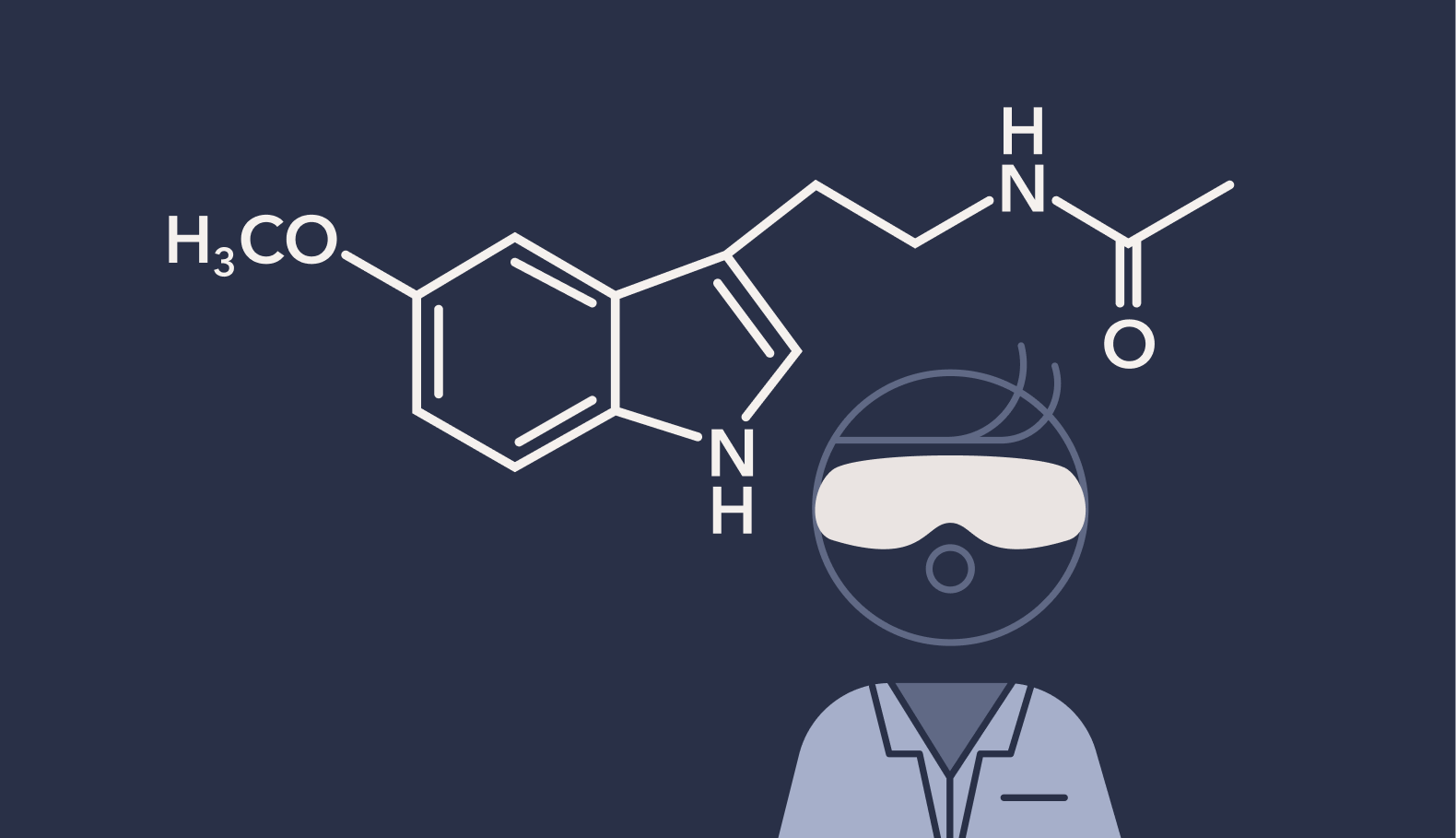
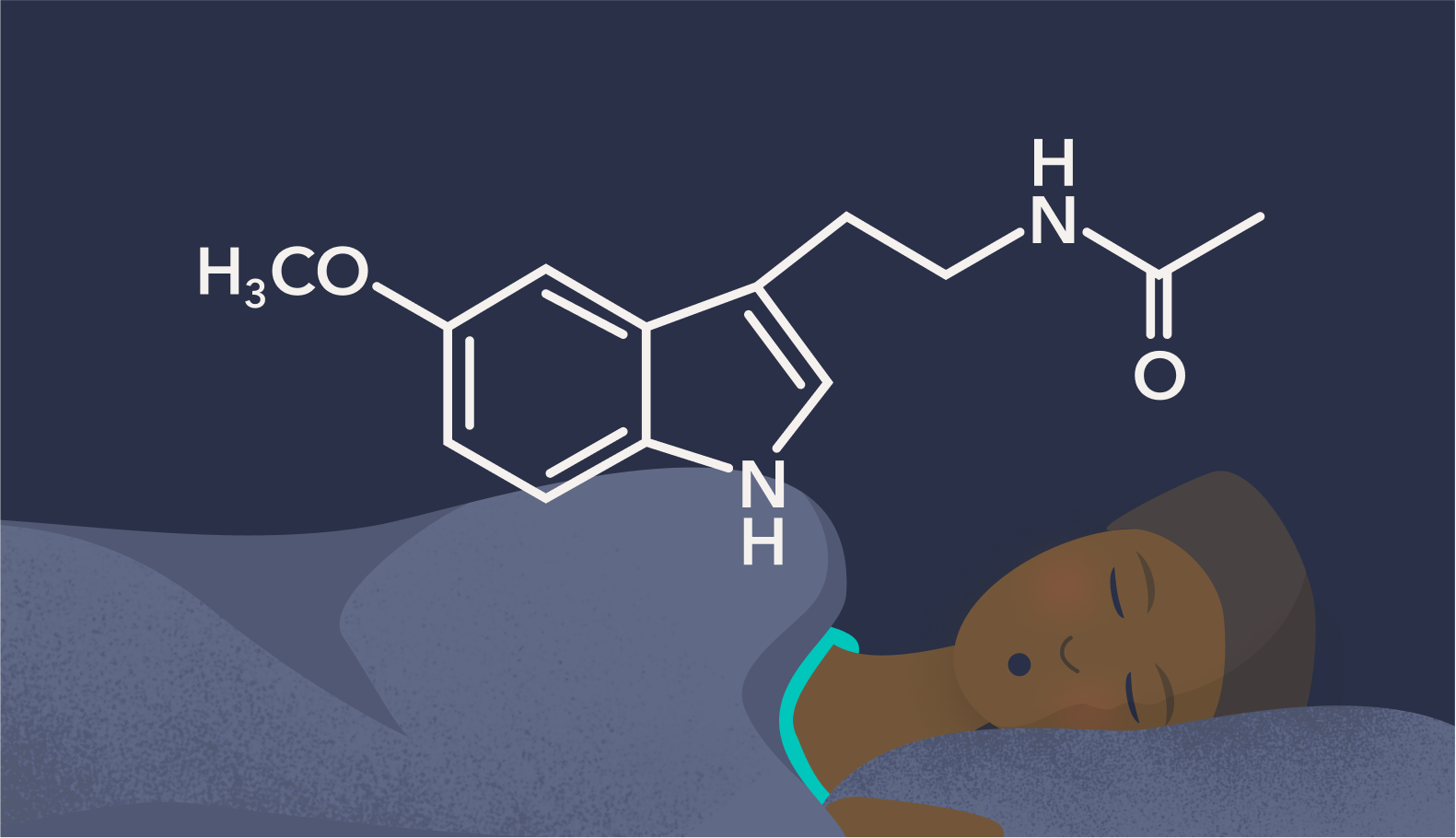
- Melatonin, taken at the right time and dose, can accelerate circadian phase shifts. Taken at the wrong time, it has no benefit or can shift the clock in the opposite direction. Timing precision is essential.
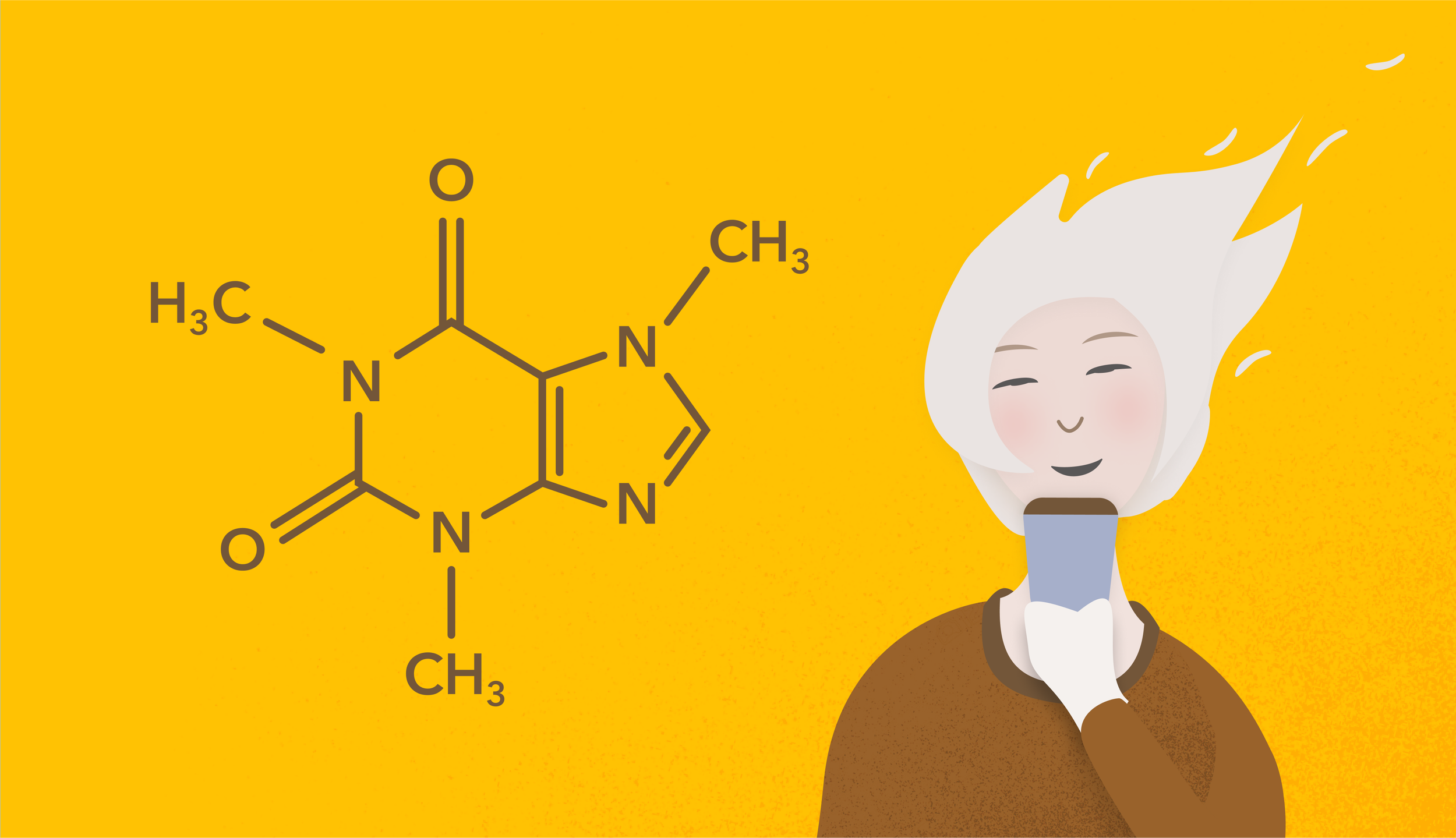
- Caffeine, used strategically, can counteract circadian-driven sleepiness during the transition period without disrupting the underlying phase shift — if dosed and timed correctly.
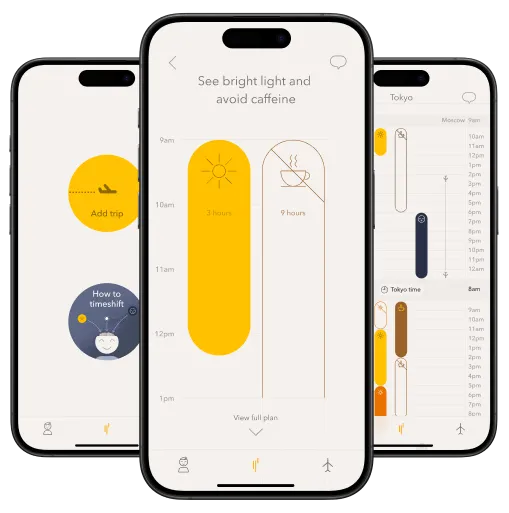
These tools, applied in combination based on the individual’s current circadian phase and target schedule, form the basis of circadian performance optimization. They’re the same principles used by NASA to prepare astronauts for mission-critical operations and by Timeshifter’s co-founder Dr. Steven W. Lockley during his years as a neuroscientist at Harvard Medical School and Brigham and Women’s Hospital.
The gap between what science knows and what sport does
The science of circadian performance is not new. The foundational research spans decades — from Czeisler’s work on human circadian physiology in the 1980s to modern chrono-exercise studies using molecular clock-gene analysis. What is new is the growing recognition that this science has been systematically underutilized in sport.
Teams invest heavily in biomechanics, nutrition science, and psychological performance. Many now track sleep with wearables. But tracking sleep is not the same as managing the circadian system. A wearable can tell you an athlete slept six hours. It can’t tell you whether those six hours were aligned with their circadian phase, whether their melatonin onset has drifted, or how to shift their internal clock three hours eastward before a Thursday night game.
That requires a different kind of tool — one built on circadian science, not sleep tracking.
The athletes and teams who figure this out first won’t just sleep better. They’ll train smarter, recover faster, peak on command, and gain an edge that their competitors don’t even know they’re missing.
New app for shift workers
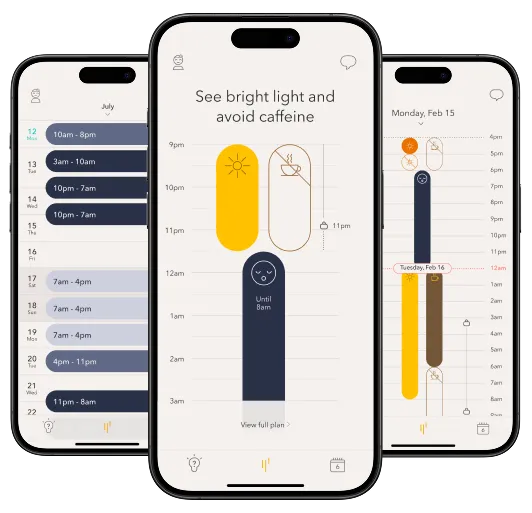
Timeshifter's shift work app is an entirely new way for shift workers to optimize their sleep, alertness, and quality of life. Import your work schedule to get highly personalized advice.