

What drives peak performance?
The science your training plan is missing
Elite athletes leave almost nothing to chance. Training loads are periodized down to the session. Nutrition is weighed, timed, and personalized. Recovery protocols track heart-rate variability while players sleep. Yet one of the most powerful biological systems governing human performance is routinely overlooked: the circadian clock.
The body's built-in performance curve
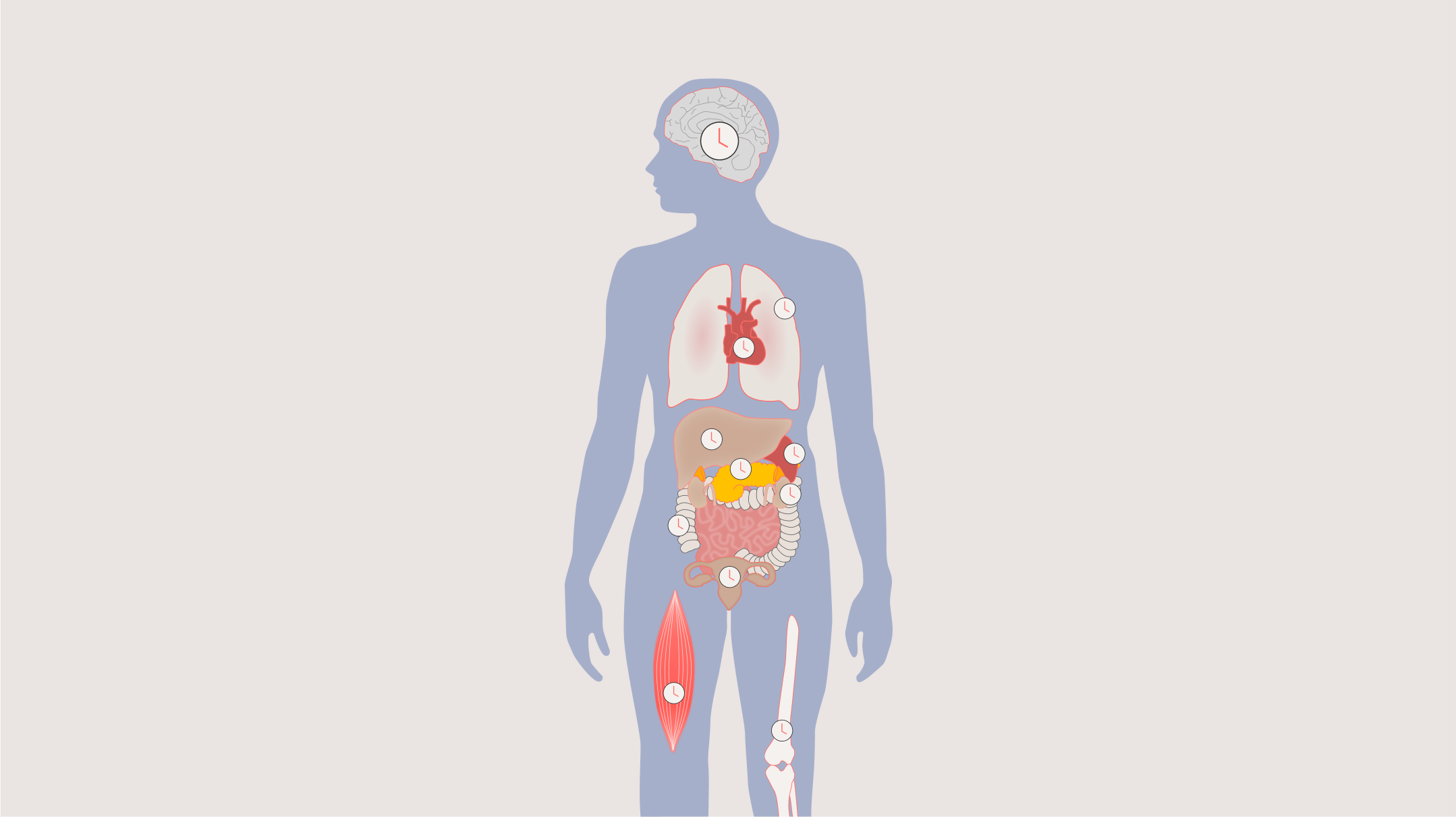
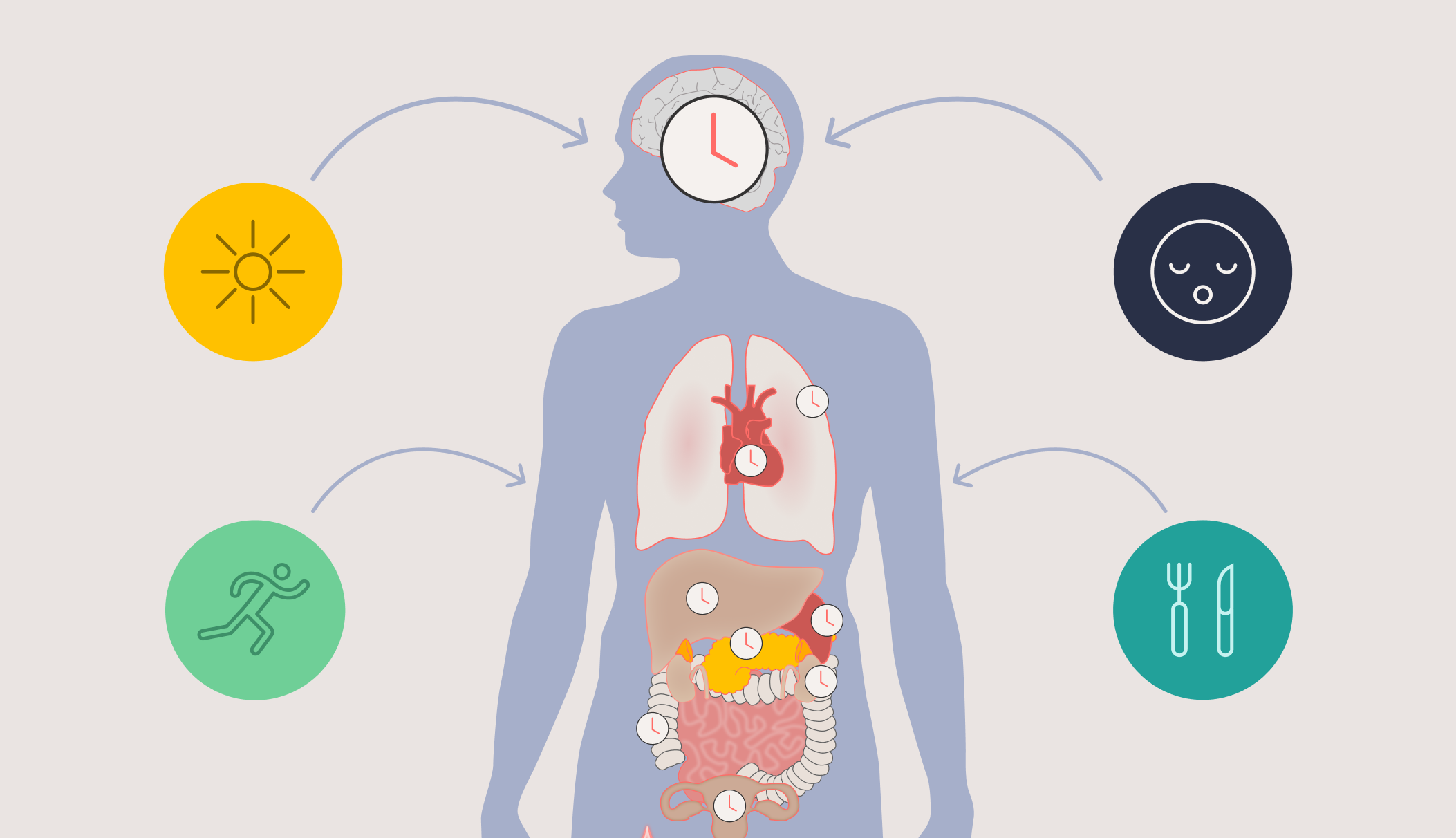
Every cell in the human body operates on a near-24-hour cycle orchestrated by a master clock in the brain's suprachiasmatic nucleus. This circadian system doesn't just determine when we feel sleepy — it generates daily rhythms in muscle strength, reaction time, cardiovascular efficiency, core body temperature, and metabolic function. The result is a measurable performance curve that peaks, for most people, in the late afternoon — roughly around 5 p.m.
Research bears this out across sports. A landmark 2020 study published in *Scientific Reports* analyzed Olympic swimming finals and found that race times varied significantly depending on when athletes competed relative to their individual circadian peaks — with performance differences large enough to separate gold from silver (Lok et al., 2020). In professional basketball, studies of NBA teams have shown that eastward travel — which forces athletes to compete earlier on their body clock — is associated with reduced scoring, lower win percentages, and impaired shooting accuracy (Leota et al., 2022; Cook et al., 2022). Similar circadian effects have been documented in the NFL, NHL, Major League Baseball, and professional soccer (Smith et al., 1997; Roy & Forest, 2018; Recht et al., 1995; Reilly et al., 2007).
Jet lag is history.
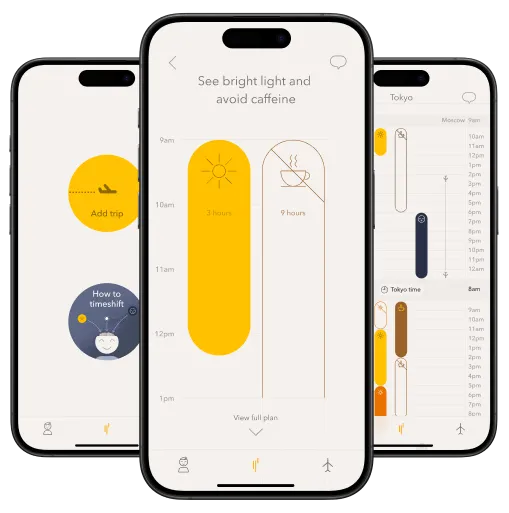
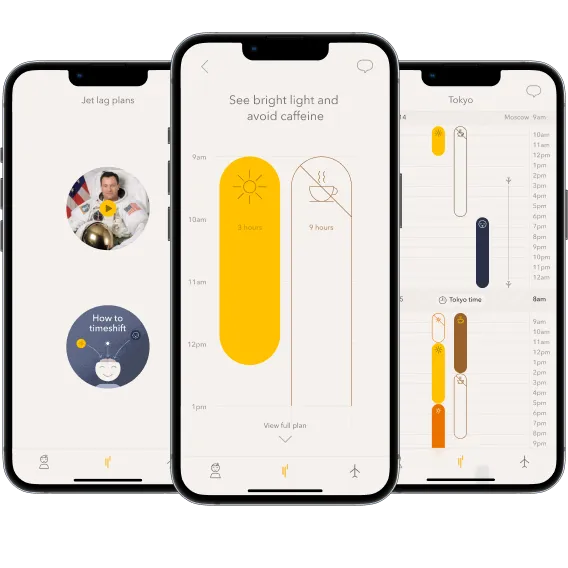
Timeshifter's jet lag app is the most downloaded and highest-rated jet lag app in the world. Get personalized jet lag plans based on your sleep pattern, chronotype, itinerary, and personal preferences.
Learn more
It's not just jet lag
The conventional understanding is that travel across time zones causes jet lag, and jet lag hurts performance. That's true — but it's only part of the story.
Every hour of change in game start time is biologically equivalent to crossing a time zone, even without leaving the region. An NBA team playing a 7 p.m. home game on Tuesday and a 1 p.m. away game on Thursday has effectively traveled through six time zones — without boarding a plane. When actual travel compounds these schedule shifts, the circadian disruption can be severe.
A study of the NBA's 2020 COVID-19 "bubble" — where all teams played in the same location, eliminating travel — still found performance variations linked to the timing of games relative to players' home time zones (McHill & Chinoy, 2020). The jet lag was gone, but the circadian mismatch remained.
Chronotype matters
Not all athletes peak at the same time. Morning chronotypes — people whose circadian clocks run earlier — tend to perform better in morning competitions, while evening types gain a measurable advantage later in the day. Research by Facer-Childs and Brandstaetter (2015) in *Current Biology* found that peak performance could vary by as much as 26% depending on the alignment between an athlete's chronotype and the time of competition. That margin dwarfs most legal performance interventions.
Aligning the clock to game time
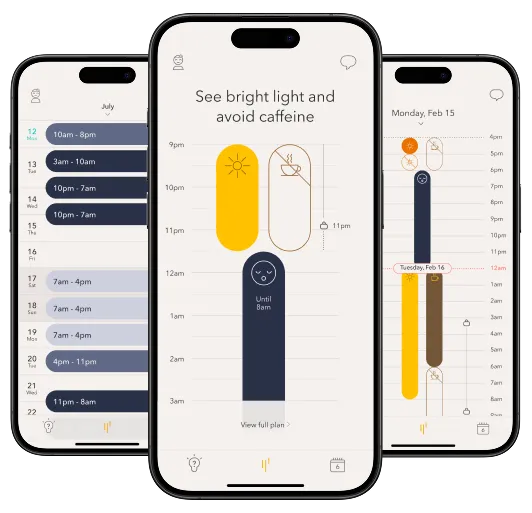
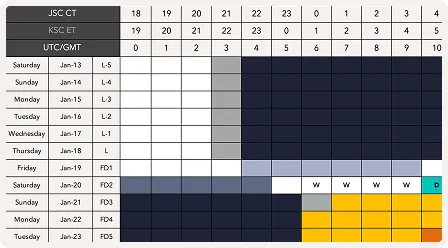
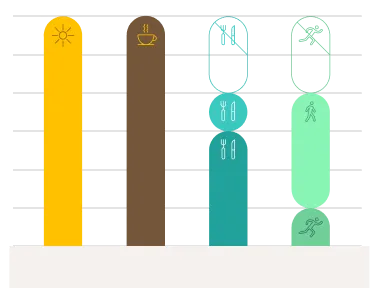
If circadian misalignment is the problem, the solution is circadian realignment. This means strategically shifting an athlete's internal clock — using precisely timed light exposure, sleep scheduling, melatonin, and caffeine — so that their biological peak coincides with competition.
This isn't theoretical. These principles have been applied with astronauts at NASA, Formula 1 drivers, NBA teams, and Olympic athletes — work led by Timeshifter co-founder and Chief Scientist Dr. Steven W. Lockley, a neuroscientist formerly at Harvard Medical School and Brigham and Women's Hospital. The approach goes beyond individual players to encompass organizational changes — adjusting training times, travel plans, hotel lighting, and meal schedules to support, rather than fight, the team's collective circadian biology.
The competitive edge hiding in plain sight
In elite sport, marginal gains decide outcomes. Teams spend millions on facilities, coaching, and analytics. Yet the circadian clock — a system that governs strength, speed, reaction time, decision-making, and recovery — often receives no systematic attention at all.
The science is clear. The tools exist. The question is whether teams will use them.
References
New app for shift workers
Timeshifter's shift work app is an entirely new way for shift workers to optimize their sleep, alertness, and quality of life. Import your work schedule to get highly personalized advice.