

Caffeine timing for peak performance
Caffeine is a tool, not a habit
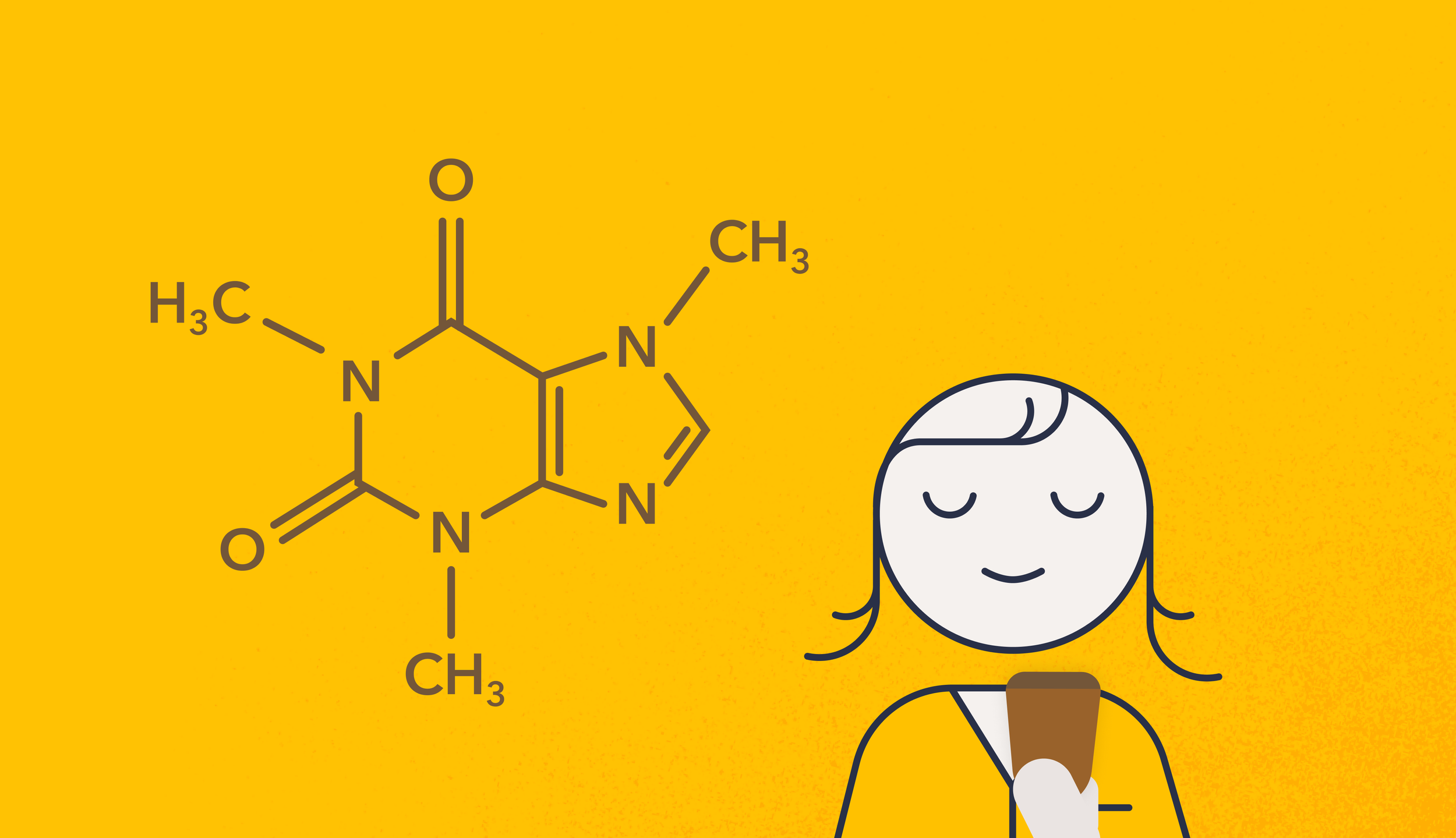
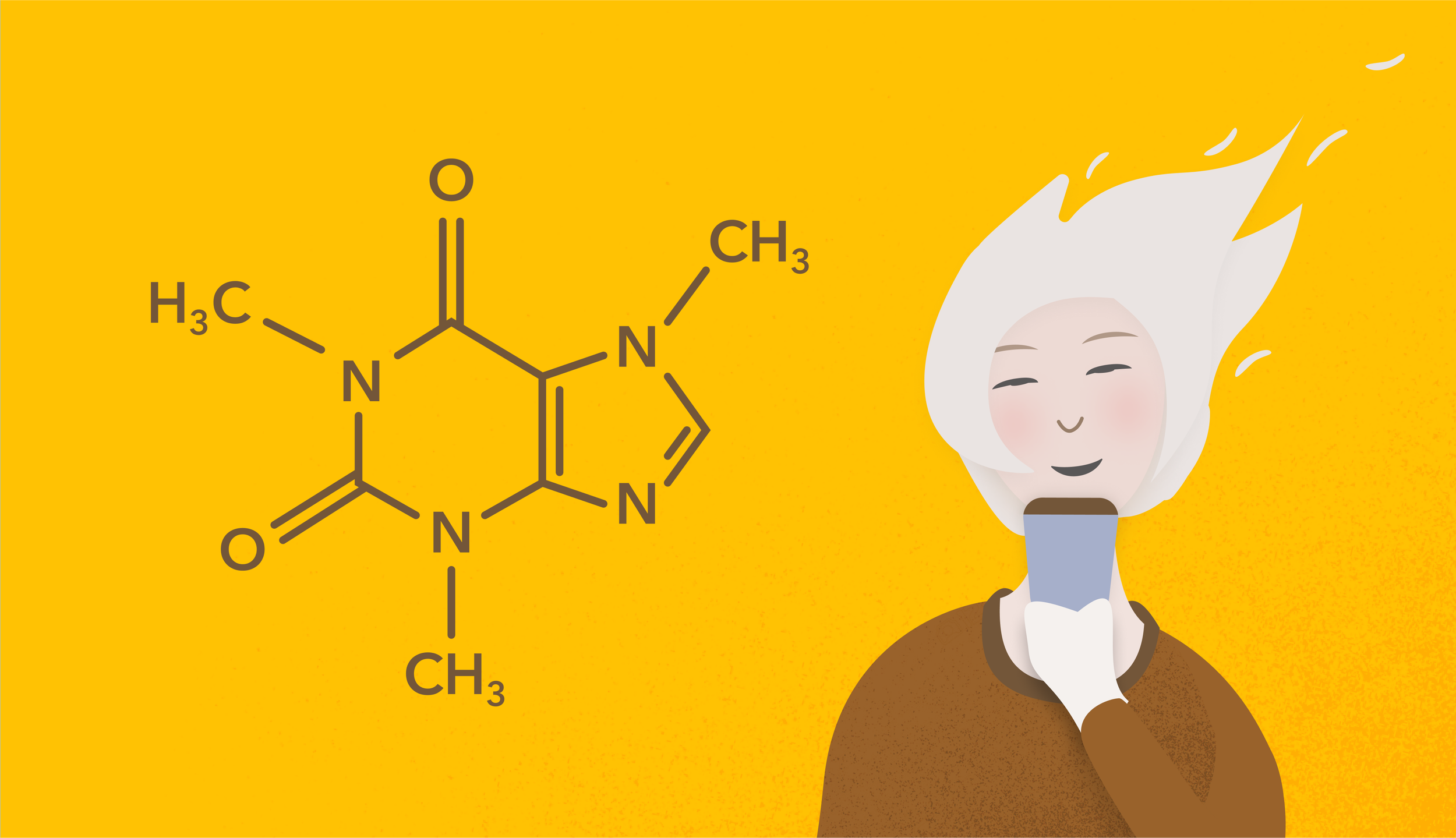
Most athletes and high performers drink caffeine the same way every day — a few cups in the morning, often more than they need, and not strategically timed to when they actually need to perform. Used this way, caffeine becomes a baseline rather than a performance lever.
Used strategically, caffeine can sharpen alertness, improve reaction time, and support performance during the windows when it matters most. The key principles are simple: little and often, timed to the demand, and stopped early enough to protect sleep.
Timing is the variable that matters
Caffeine has a half-life of roughly 5–6 hours, which means a coffee at 4 p.m. is still substantially active at bedtime. For athletes and performers whose sleep is essential to recovery, late-day caffeine is one of the most common — and most overlooked — sources of poor sleep quality and disrupted circadian alignment.
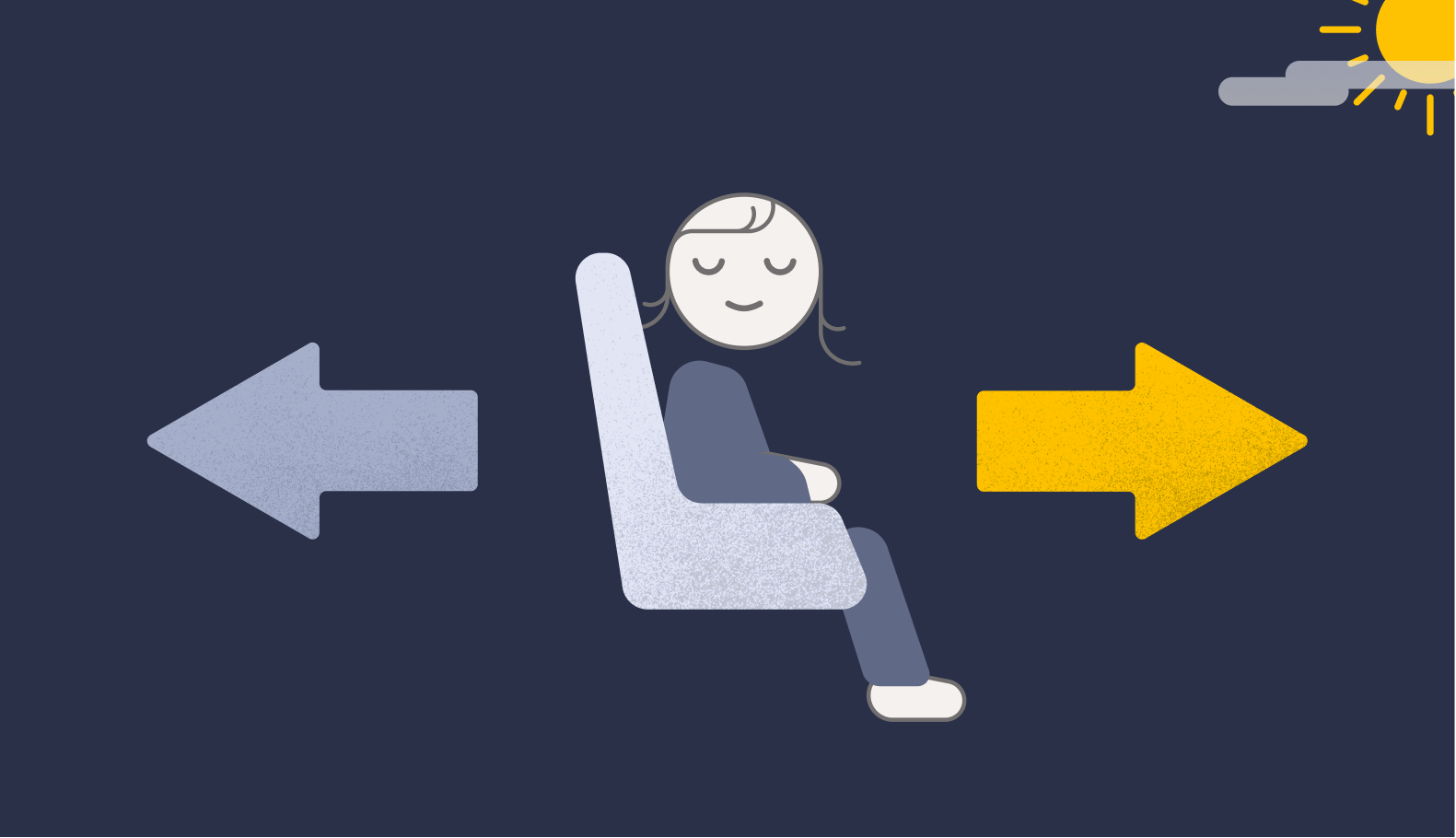
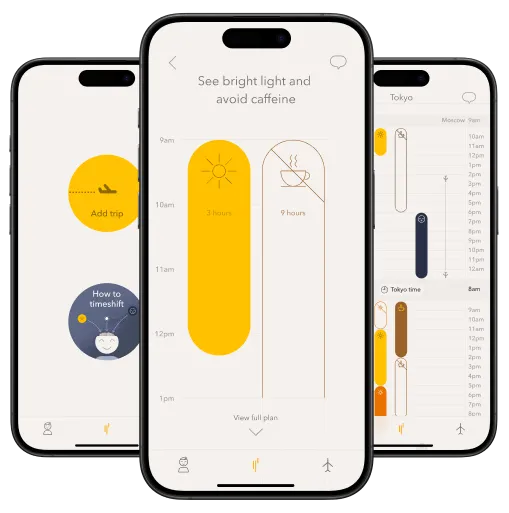
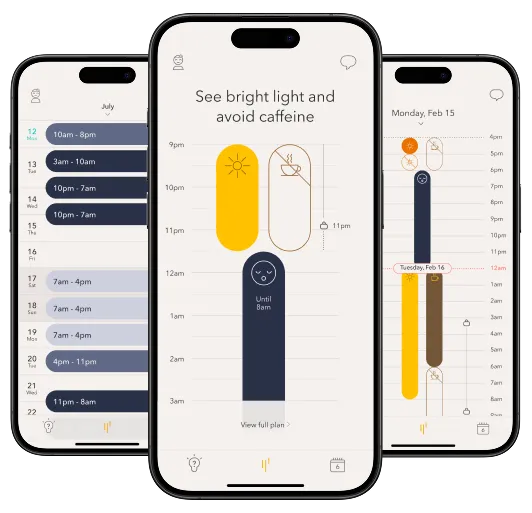
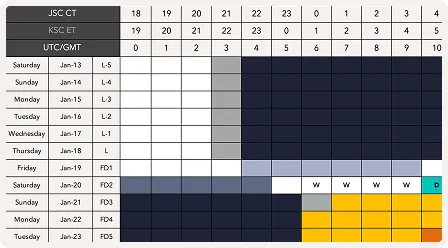
For circadian shifting and travel, the principle of "little and often, and stop at the right time" allows caffeine to support critical alertness windows — for example, staying awake long enough to get the right light exposure after eastward travel — without compromising the sleep that the rest of the strategy depends on.
Strategic vs. habitual use
The difference between strategic and habitual caffeine use is whether it's being deployed to solve a specific performance or alertness problem, or simply consumed by routine. Habitual use builds tolerance and reduces the size of the performance benefit when it's actually needed. Strategic use — calibrated to the demand, the time of day, and the athlete's circadian state — preserves caffeine's effect for when it matters.
Caffeine should never be used to override sleep deprivation in safety-critical situations. It is a tool for managing alertness within a sound circadian strategy, not a replacement for one.