The circadian rhythm in peak performance

Elite athletic performance is the product of enormous dedication - years of training, meticulously planned nutrition, and an unwavering focus on psychological strength. Yet two factors that profoundly shape what an athlete can achieve on any given day are routinely underestimated, or ignored entirely: The timing of your circadian rhythms and the amount and quality of sleep. Not only must athletes be well rested before they compete and have adequate recovery afterwards, the timing of their performance relative to the 24-hour circadian rhythm in peak performance can be the decisive edge if embraced, or a hidden handicap if ignored. Understanding the role of the circadian system on performance, why it matters for sport, and how it can be optimized to enhance results, is therefore essential for any athlete or team that wants to perform consistently at the highest level.
The circadian system: A symphony of biological timing
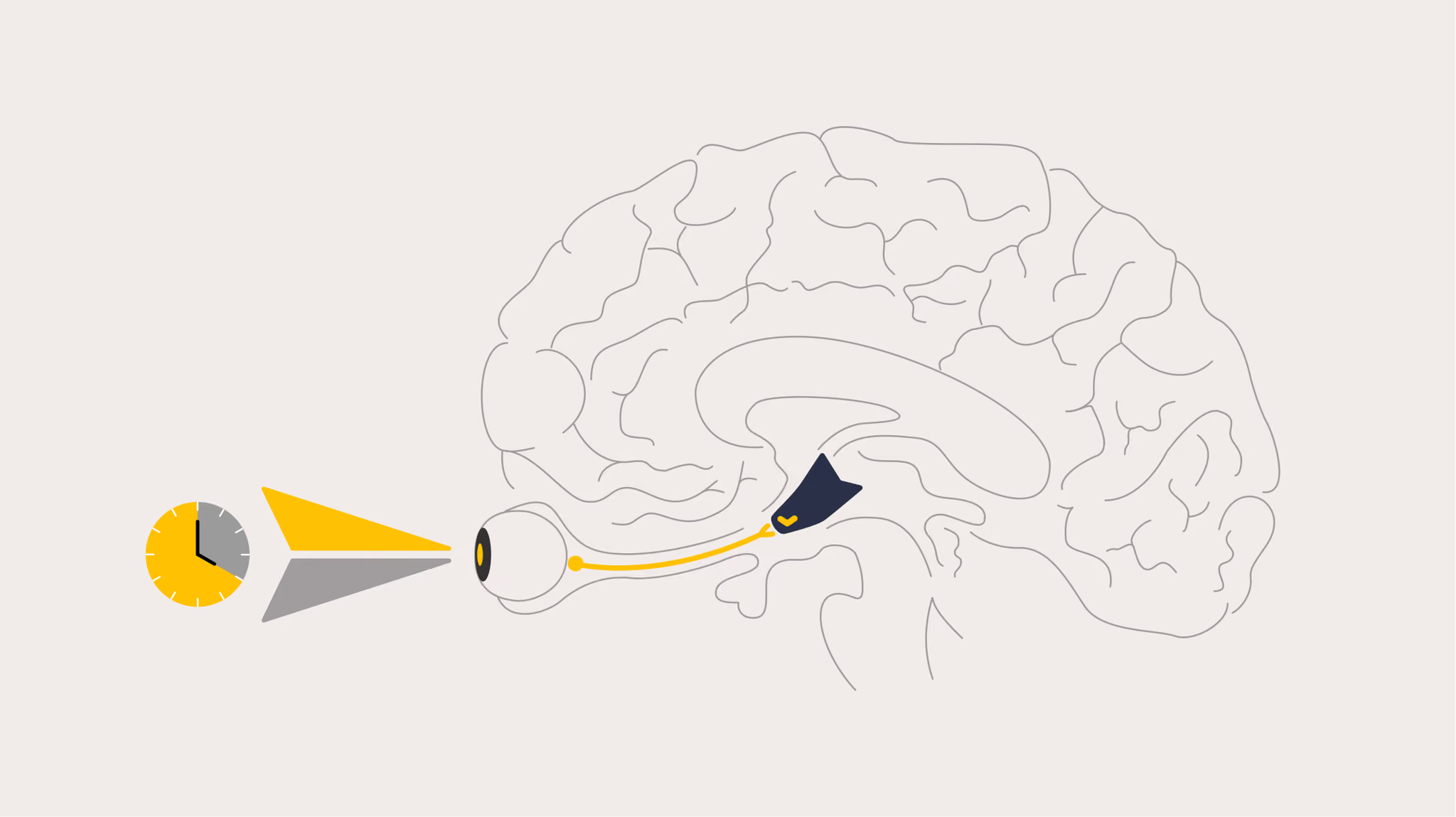
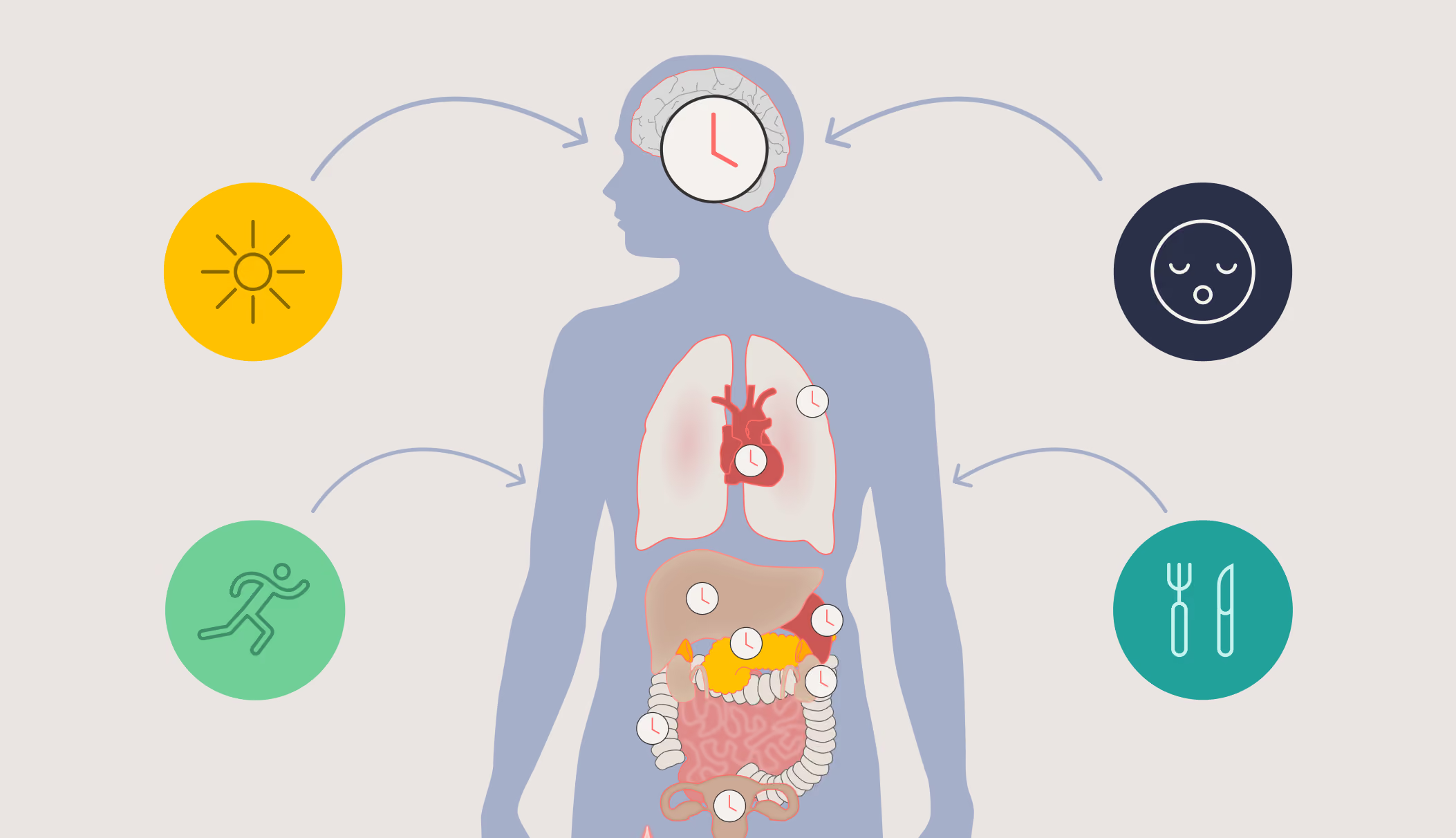
The human circadian pacemaker is located in a part of the brain called the suprachiasmatic nuclei (SCN), located in the hypothalamus. Containing approximately 50,000 neurons, the SCN acts as the central circadian pacemaker, spontaneously generating near-24-hour rhythms that control the many physiological and metabolic processes that exhibit a 24-hour rhythm (1). To stay in sync with the outside world, the SCN is reset every day primarily by the daily light-dark cycle, which is detected exclusively through specialized photoreceptors in the eyes. This daily reset keeps our biology precisely timed to the 24-hour rotation of the Earth (2).
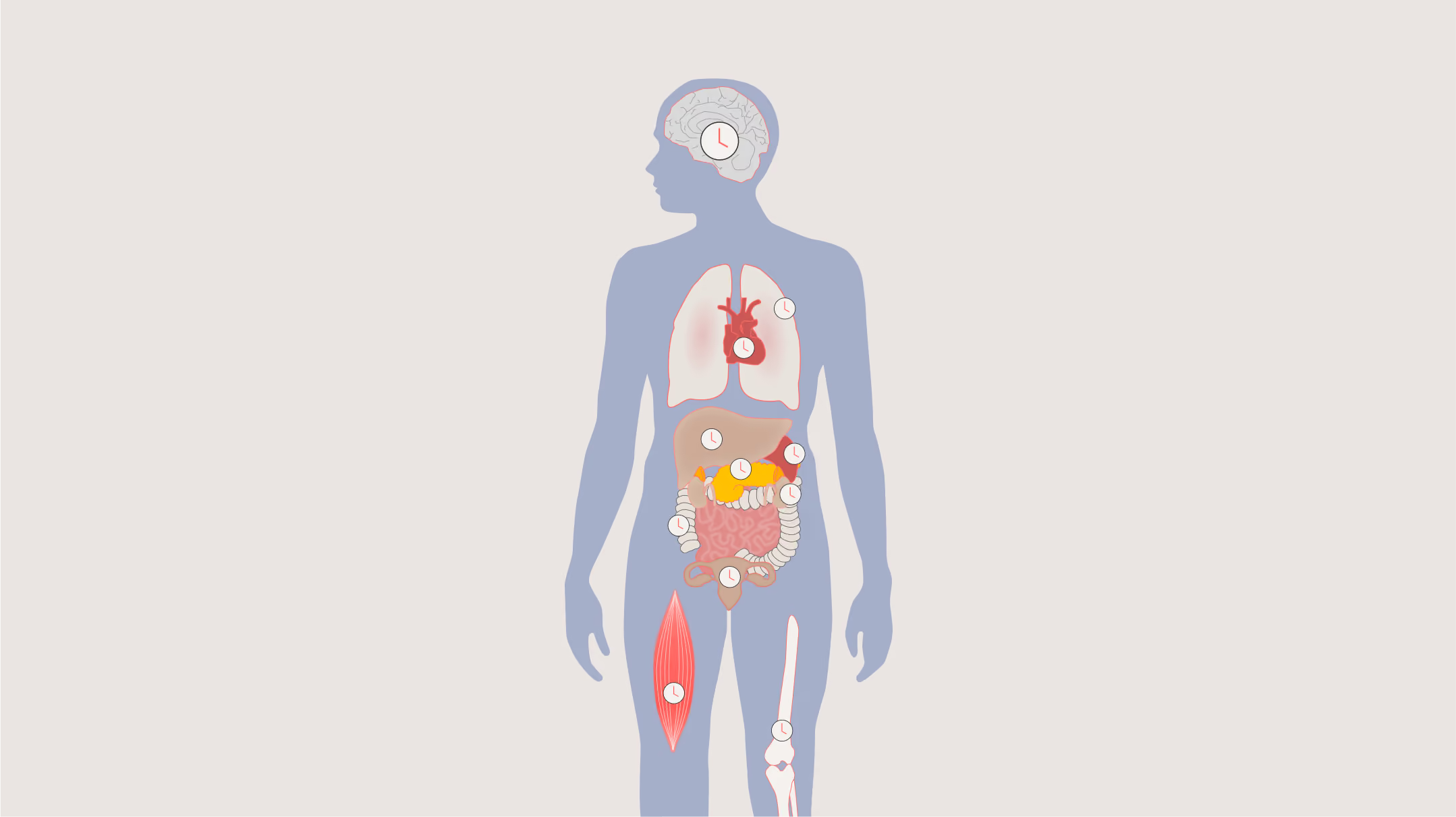
The SCN does not work alone. Almost every organ in the body, including the heart, lungs, liver, pancreas, skeletal muscle, and skin among many others, has its own local pacemaker, termed peripheral clocks (3,4). These peripheral clocks are generally more responsive to non-light time cues such as meal timing and physical activity. The SCN acts as the conductor of this biological orchestra, keeping all the peripheral players in synchrony with the central clock and with each other. When that synchrony breaks down — whether from jet lag, irregular sleep, or poorly timed training — performance, health, and recovery all suffer.
Importantly for performance, the SCN controls the daily rhythms of alertness, reaction time and higher cognitive function, and promotes increasing alertness through the day, peaking in the late afternoon and then reducing again once the biological night begins (5,6).
Simultaneously, peripheral clocks regulate a host of processes that directly affect athletic output such as heart and lung function, muscle strength, and glucose regulation, that all fluctuate in a predictable circadian pattern (7-11). Critically, core body temperature follows a robust daily cycle, dipping to its lowest point in the early hours of the morning and rising to a peak in the late afternoon. This temperature rhythm is not merely a curious observation, it is tightly coupled to performance (6).
The circadian peak in athletic performance
The link between the circadian rhythm in core body temperature and peak physical performance is well established. Regardless of the sport, performance tracks the temperature curve, with a peak around 4–5 pm under typical entrained conditions (5,6). This makes intuitive sense: Warmer core temperature enhances enzymatic activity, improves muscle contractility, increases oxygen delivery, and speeds neural conduction — everything that enhances athletic performance.
The peripheral clock rhythms also drive peak performance in the daytime and reduce athletic ability if exercise occurs during, or close to, the biological night. For example, lung function, as measured by forced vital capacity and peak expiratory flow, is reduced overnight and in the early morning and increases through the day, and cardiovascular efficiency follows a similar pattern (8,9). This matters practically – the risk of heart attack is highest in the morning, partly because platelet aggregability and vascular tone are under circadian influence, leading to an elevated risk of adverse cardiac events at that time of day (12).
Morning exercise brings additional concerns as the circadian rhythms in reaction time and alertness are also lowest at that time, impairing performance and concentration. Trying to perform shortly after waking also introduces the problem of sleep inertia. Sleep inertia is the grogginess that you feel after waking – the brain and body do not go from 0 to 60 straight away – and it actually takes several hours to fully overcome this sleepiness (13). When these factors are considered together, athletes and coaches should be aware that strenuous effort shortly after waking is therefore physiologically less efficient and increases the risk of accidents and injury.
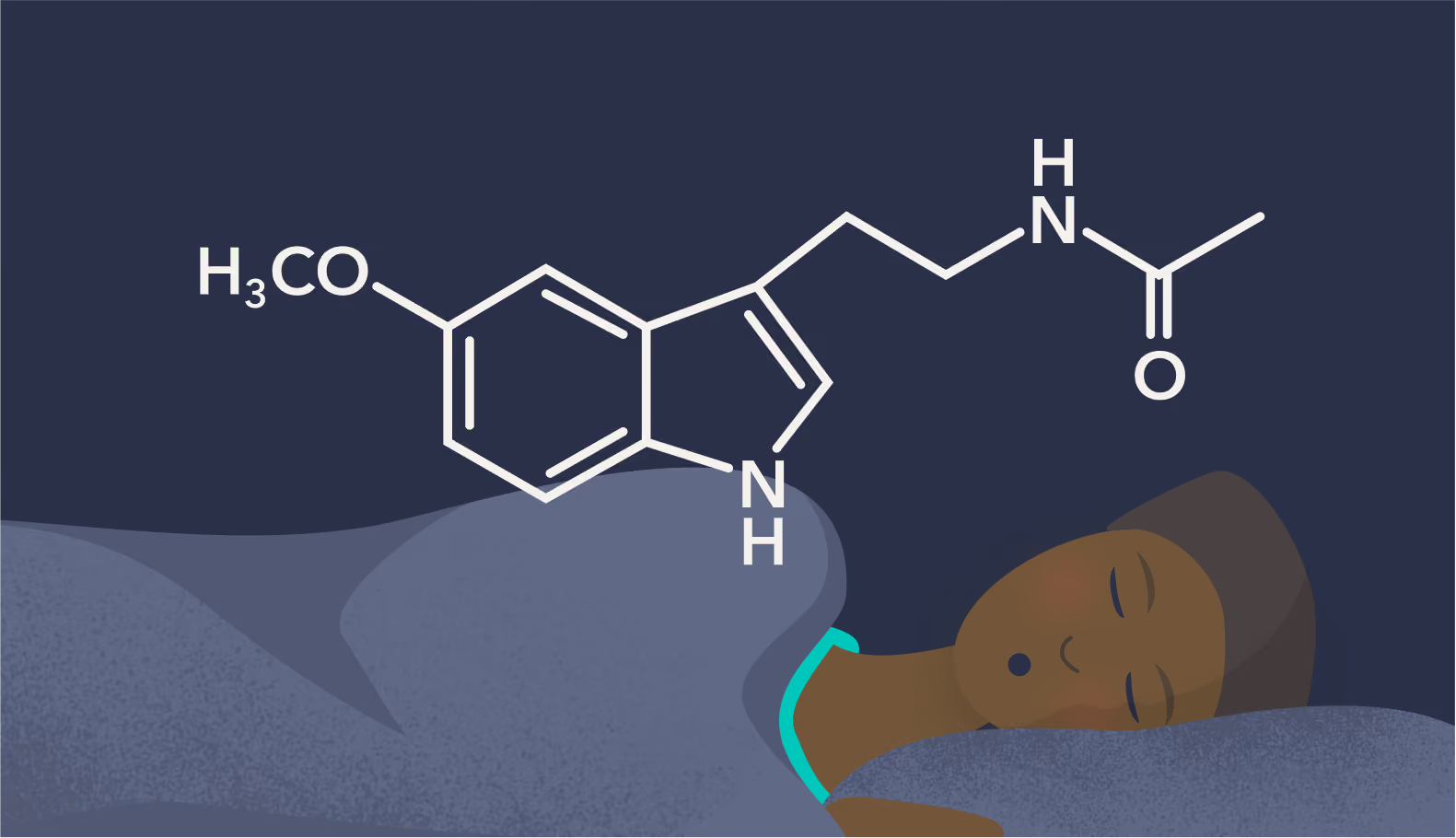
At the other end of the day, exercising too close to sleep, or more specifically the biological night, brings a different set of problems. Alertness drops off dramatically after the onset of melatonin release, the hormone that signals ‘night’ to the brain (not sleep, rats also release melatonin at night but are active then), which occurs about 2-3 hours before sleep (5).
Late exercise also elevates core body temperature, increases heart rate, and stimulates the release of cortisol and adrenaline — effects that directly counteract the neurological processes needed to initiate and maintain sleep. Bright light exposure during late-evening training delays the timing of the biological clock (14), delaying sleep onset and making it harder to wake up in the morning. Light exposure in the hours before bed continues to alert the brain even after the light is switched off, just like the long half-life of caffeine can continue to provide an alerting signal long after you stop drinking coffee. This alerting light signal suppresses slow wave deep sleep for several hours into sleep (15) which, importantly, reduces the release of growth hormone, which is only released during this deep sleep, impairing recovery and muscle growth. While individual circadian clock time, or chronotype, can cause differences in the precise tolerance for late-night effort between people, as a general principle, strenuous training in the final two to three hours before bedtime impairs subsequent sleep and therefore recovery.
Chronotype: Why every athlete's clock is different and what coaches have forgotten
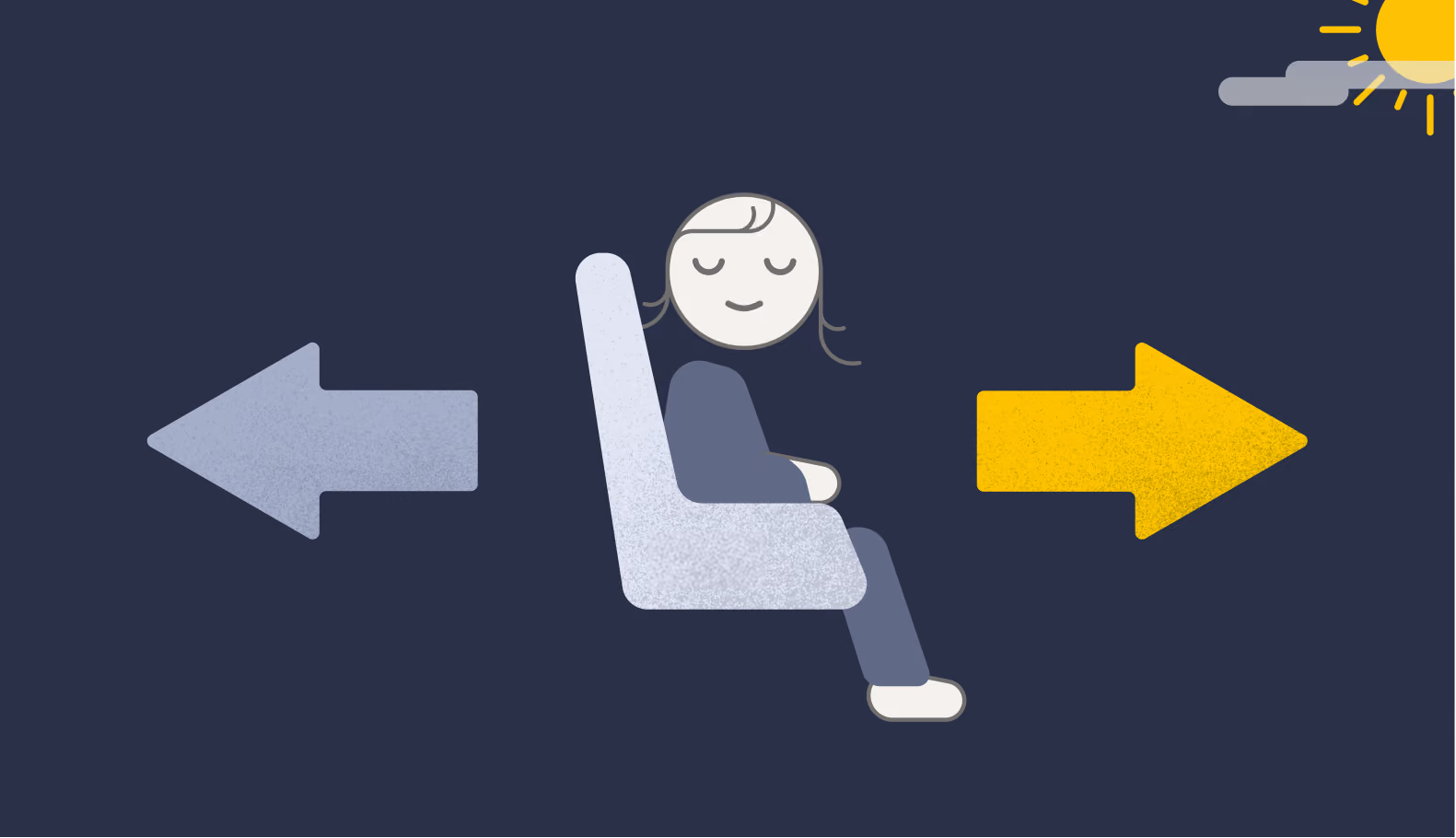
Not all people, and therefore not all athletes, share the same internal clock time. Chronotype — sometimes called diurnal preference — partly reflects the natural timing of when an individual feels most alert and performs best. Approximately 25% of people are considered morning types ('larks'), 25% are evening types ('owls'), and the remaining 50% fall somewhere in between (16). These differences arise from genuine biological variation in the intrinsic period of the SCN: morning types tend to have slightly shorter internal clock periods (less than 24 hours), while evening types have longer periods (often exceeding 24.5 hours) (1). This period determines the rate of adaptation when challenged with a required shift in the biological clock, for example during jet lag or shift work. Evening types tend to find it easier to travel westward, which requires a shift in the circadian clock to a later time (termed a delay), as their internal period means that they naturally drift to a later time. Morning types find it easier to travel eastward, which requires a shift earlier (termed an advance) as their clock naturally drifts earlier.
This genetic clock difference also determines how we ‘line-up’ or synchronize to the daily light dark cycle. If 100 people are subjected to the same light-dark cycle, there will be a range of wake times based on this internal clock ranging from early to late. This variation means that the performance peak around 4-5 pm is an average; an extreme morning type may peak in the early afternoon while an extreme evening type may not reach their physiological best until the evening (17).
Chronotype also significantly affects the timing of peak performance in athletes (18,19). Evening types performing at their optimal time outperform morning types by up to 26% in some metrics, and both groups were penalized when asked to perform at their non-optimal circadian time. These differences have clear implications for how teams design training sessions, schedule practice, and approach game preparation. A training session at 12pm that suits one player may be chronobiologically disadvantageous for another.
An additional complexity is the effect of age on chronotype. In addition to the circadian clock, chronotype is also influenced by another system called the sleep homeostat, which determines the rate in the build-up in sleepiness based on the number of hours awake. Younger people tend to have a later chronotype because they also have a slower build-up in sleepiness, thereby taking longer to reach the threshold required for sleep, which explains why adolescents and young adults find it hard to fall asleep as early as older people. Circadian timing also gradually delays during adolescence, only starting to reverse in the early twenties, pushing them towards eveningness. A 19-year-old elite athlete's internal clock may be several hours later than that of a 30-year-old teammate. This process occurs about 2 years earlier in females as compared to males, demonstrating that these differences are due to the timing and speed of reproductive development, not motivation or choice (16). Team sleep and circadian programs should therefore account for these individual and age-related differences rather than applying a single uniform schedule to all players. Unfortunately, the coaches and senior players, who may have more influence on the team training schedule, have gradually become more morning type than their younger team members and often prefer to schedule activities earlier in the day when they feel at their best, forgetting the problems that they experienced as young athletes.
Evidence of the circadian peak performance rhythm across professional sports
The impact of circadian disruption on sports performance is not theoretical – the underlying biology is ubiquitous regardless of the sport. The circadian rhythm in peak performance is documented across a wide range of professional sports and competition levels.
Baseball: One of the earliest studies to quantify the relationship between jet lag and sport was published in Nature in 1995, examining Major League Baseball results. Recht and colleagues (20) demonstrated that teams traveling westward won significantly more games than those traveling eastward, consistent with the physiological principles of circadian adaptation — westward travel requires a phase delay, which the majority of team members manage more easily than the phase advance demanded by eastward travel.
American Football: Smith and colleagues (21) demonstrated a different impact of circadian rhythms on athletic performance, the impact of the circadian time on game time. They found that during Monday Night Football games, NFL teams from the West Coast that played 9pm games away against East Coast opponents – effectively performing at 6pm biological time, close to their circadian performance peak, won at a substantially higher rate than their East Coast opponents who were well on the downward swing of their performance rhythm. When East Coast teams played at 9pm on the West Coast, it was the equivalent of performing at midnight, well into the biological night. These effects are still apparent, and are also seen in other professional leagues (22). A 2024 analysis by Bourgon and colleagues (23) further showed that circadian disadvantage even affected coach decision-making in NFL evening games, introducing errors in play-calling.
Basketball: The NBA has been among the most studied leagues for circadian effects, partly because of the high number of games, varied travel schedules, and available data. Multiple studies have demonstrated the influence of travel direction and game start time on winning percentage (22, 24-27). Analysis of NBA away-game data shows a strong relationship between the deviation of game start time from the circadian performance peak and the visiting team's winning percentage, even when there was no change in the time zone. Teams playing closer to their biological optimum consistently outperform teams having to play too early or too late in their circadian rhythm, putting them at a circadian disadvantage. Even a 30-minute difference had a measurable effect. Research from the NBA's COVID-19 bubble — where all teams played in one time zone, eliminating travel as a variable – confirmed that circadian rhythm disruption independent of travel still affects performance (25).
Other Sports: Lok and colleagues (28) analyzed Olympic swimming results over multiple Games and found a pronounced circadian rhythm in performance, with athletes competing at their biological peak time showing systematically better times compared to those competing at biologically suboptimal times – differences meaningful enough to determine medal outcomes. Similar evidence of an afternoon peak in performance is apparent in soccer and golf skills (29,30).
These circadian challenges are not insurmountable. These differences are only apparent when individuals or teams do not proactively reset their circadian clocks to align with game time. Shifting the clock using appropriately timed light-dark cycles, and supporting the shift with sleep, naps, caffeine and melatonin, if available, can overcome these disadvantages. In sports that require frequent international travel, such as tennis or Formula 1, the need to proactively manage the impact of jet lag and optimize peak performance is well understood (31,32). Nico Rosberg, 2016 Formula 1 World Champion and a Timeshifter ambassador, has attributed part of his competitive edge to proactive circadian management during that title-winning season (31).
The most downloaded and highest-rated jet lag app in the world.
Interventions: Resetting the circadian peak performance rhythm for competition
Understanding that circadian misalignment impairs performance leads directly to the actionable question: what can athletes and teams do about it? The answer operates on two distinct, but complementary, levels. The first is managing jet lag — adapting the circadian clock to a new time zone when required. The second, often overlooked and arguably more important, is aligning the peak performance rhythm with the scheduled competition time, regardless of time zone or travel.
Prioritizing sleep. Sleep is foundational to all performance. Poor sleep impairs physical ability, and reduces alertness and concentration, making training less effective. Poor sleep also reduces the effectiveness of nutrition programs through impaired metabolic responses. When sleep-deprived, people tend to eat more calories and make poorer food choices, eating foods with higher fat and higher carbohydrate content which may be counterproductive. Getting sleep right will help with all the other physical and mental challenges associated with elite sport.
Athletes should aim for nine hours of sleep opportunity, i.e. time in bed, per night, at consistent times each day where possible. Sleep duration and regularity are both essential: irregular sleep timing destabilizes the circadian clock, producing performance impairments even when total sleep is adequate. Consistency is also key to preventing a build-up of chronic sleep loss which is near impossible to recover. A nutrition plan that schedules pizza all week and then salad at weekends would not be helpful, and neither is a sleep plan that permits chronic sleep loss in the week and then long recovery sleep episodes at the weekend. Good sleep has to be part of the daily performance routine. It is not wasted time but part of your optimal training strategy.
The schedule should be built around the sleep window, not the other way around — put the sleep window in the calendar first and then fit everything around it, rather than the other way around when sleep is just scheduled to whatever limited time remains.
Jet lag management. Without specific intervention, the circadian clock shifts by an hour or less per day following travel across time zones. For a three-time-zone journey, adaptation therefore requires at least three days. Optimally timed light exposure — properly timed using the Phase Response Curve, which describes the direction and magnitude of circadian shifting as a function of light timing relative to the internal clock — can accelerate this to approximately 3-4 hours of adaptation per day. Critically, appropriately timed light avoidance is equally important: light at the wrong circadian time shifts the clock in the wrong direction.
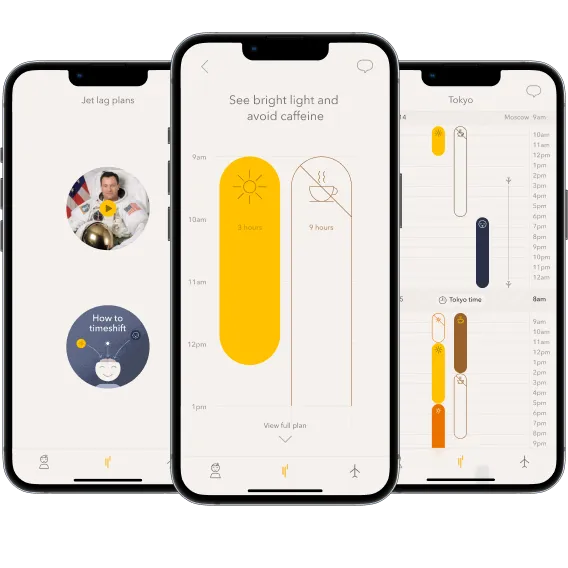
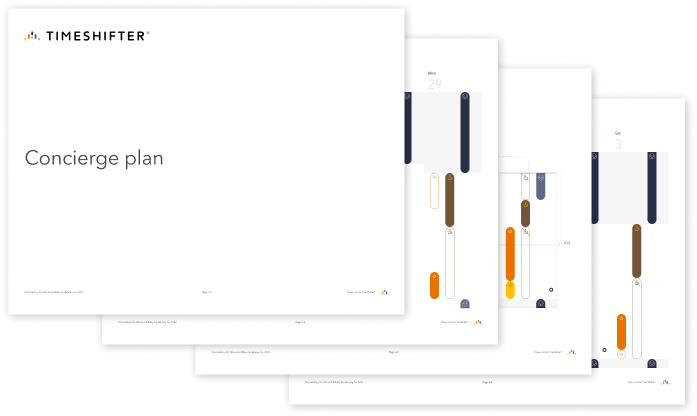
Bright, blue-enriched (‘cool-looking’) white light is most effective at resetting the clock and alerting the brain and can be achieved using daylight when available, or indoor lights, TV and computer screens or even your phones. Intermittent exposures can also be effective if you do not have access to continuous light exposure. Light avoidance can be achieved using dark sunglasses or dimming indoor lights. The key is the right timing, and this is not necessarily intuitive – it is not as simple as just ‘getting on the new time zone as quickly as possible’ as sometimes that advice will shift the clock in the wrong direction, making jet lag worse. The Timeshifter Jet Lag app builds a personal plan based on your sleep preferences and chronotype, and travel schedule, and will guide you to do the right thing at the right time. The Timeshifter concierge service can provide a more detailed plan that takes into account training times, meetings and other constraints, and is necessary if the game time is not optimal in the new time zone. In this case, it may mean resetting the clock to a different time zone than the one you are traveling to, within practical limits, in order to ensure that the peak performance rhythm aligns with game time.
Our concierge service can help you perform at your highest level when it matters. We prepare athletes for competition, astronauts for rocket launches, and business VIPs for presentations and meetings.
Learn more
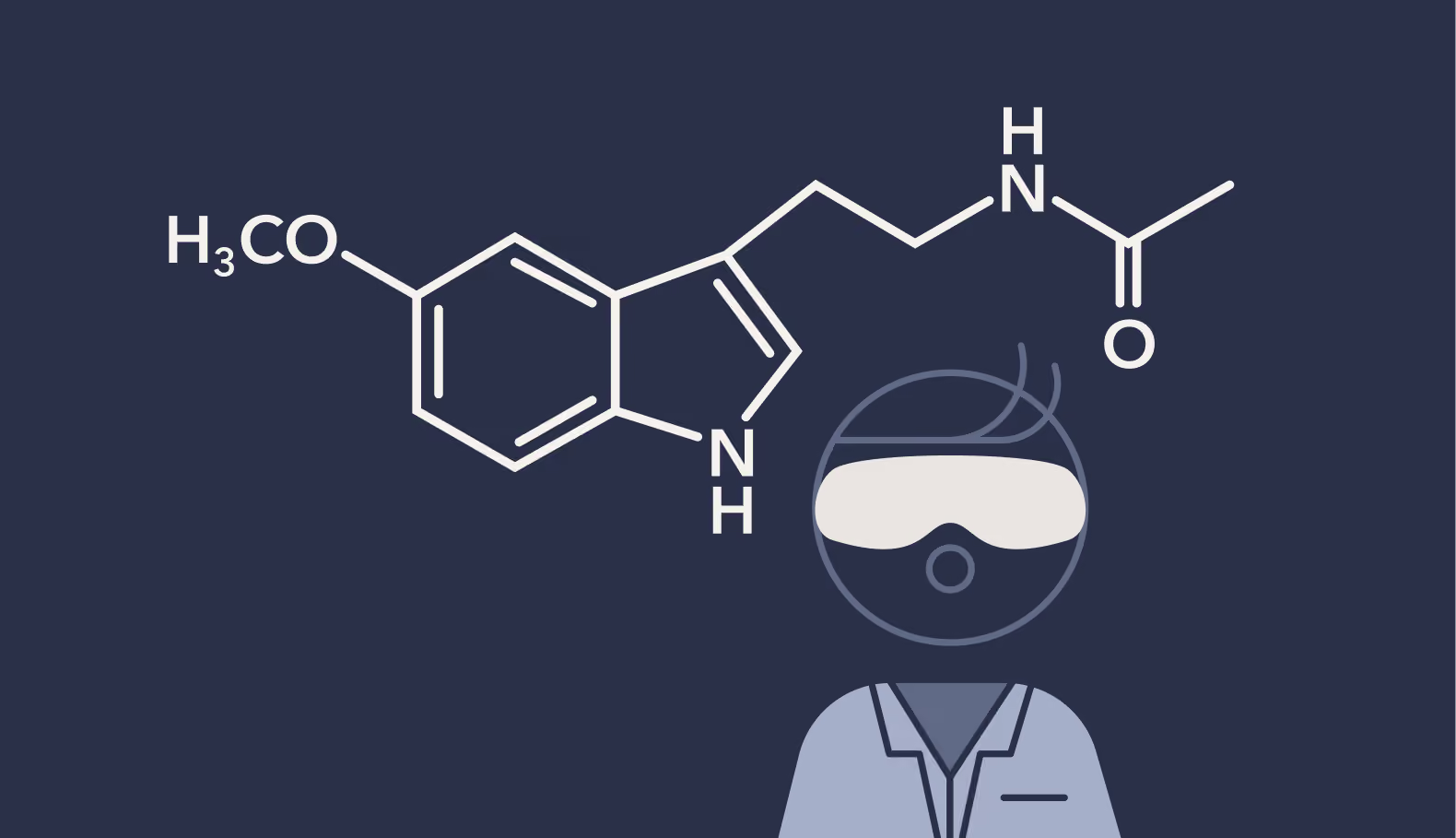
Where permitted and clinically appropriate, low-dose melatonin can supplement light-based protocols by acting at its own phase response curve to facilitate circadian clock resetting and promoting sleep at the desired time.
Aligning the performance peak with game time. Beyond jet lag, the novel and perhaps more impactful challenge is resetting the circadian peak performance rhythm to coincide with game time, independent of travel. Every hour's difference between the natural performance peak and game start time is equivalent, in terms of circadian biology, to crossing one time zone. A team playing a 7 pm game midweek then a 1 pm game at the weekend needs to shift its circadian performance rhythm six hours earlier — the biological equivalent of flying from New York to Paris, without leaving the country. Proactively managing this requires exactly the same tools: appropriately timed light exposure and light avoidance, protected sleep windows, and adjustment of training and meeting times to shift the clock toward optimal alignment with the next game time. If training, meeting and travel times cannot be changed, then it is possible to take those constraints into account when developing the resetting plan to optimize performance as much as possible. The resetting does not need to be perfect to provide benefit. The goal is always to ensure athletes are on the upward swing of their performance curve during competition — not performing after they have already passed their daily peak.
Light as a pre-game stimulus and post-game calming tool. Light is not only able to reset the circadian clock but is also a direct stimulant. Bright, short-wavelength (blue-enriched) light activates the brain's alerting pathways, improving reaction time, cognitive function, and mood within minutes of exposure. Timed bright light exposure before competition can therefore enhance acute alertness and arousal. Conversely, dimming light after competition if appropriate, switching from bright, cool-spectrum lighting to warm, low-intensity light in the locker room, travel environment, and hotel room, can facilitate sleepiness and earlier sleep onset. Teams that control locker room and facility lighting can deploy these effects systematically. There may be times when dimmer light is not appropriate after the game, for example if you are getting on a flight to the west coast and need to delay, and so developing a program that manages circadian resetting and light from game-to-game as part of an overall schedule is best.
Training and schedule adjustments. Changes to the day-to-day schedule are powerful levers for circadian shifting. A later training time permits a longer sleep opportunity for evening-type athletes, helps stabilize a delayed circadian phase, and — when adopted as standard practice — gradually encourages the entire team's biology toward the desired phase. Later training times also accommodate everyone – the morning types can still wake up and come to training later whereas forcing evening types to get up too early to attend training ensures that they are not going to perform at their best.
Meeting times, meals, video review sessions, and gym schedules should also all be reviewed in the context of the circadian plan, and can support the overall goals. For example, scheduling a video session at a time that the team needs to see bright light would ensure that everyone can receive the right intervention at the right time. These organizational changes establish the framework that enables the specific light-dark and sleep protocols to work most effectively.
Additional iInterventions: Sleep health and the home environment
Two further areas deserve brief but important mention. First, a proportion of athletes have undiagnosed clinical sleep disorders that impair sleep quality regardless of how well the schedule is managed. Research suggests that as many as 13% of elite athletes may have a clinically significant sleep disorder warranting formal assessment and treatment (34). Obstructive sleep apnea, insomnia, and restless legs syndrome are among the most common. A comprehensive sleep health program should include a sleep disorders screening program, using validated screening tools, with a clear and non-punitive pathway for specialist referral and treatment. Any circadian or sleep optimization program – or athletic performance in general – will be negatively impacted if an underlying sleep disorder remains unaddressed.
Second, the home sleep environment matters. Many athletes, when not traveling, sleep in environments that are suboptimal for circadian health: rooms with excessive light intrusion, irregular ambient temperatures, or use screens emitting blue-enriched light in the hours before sleep. A review of home lighting, including the use of warm-spectrum, low-intensity lighting in the evening, blackout curtains to eliminate external light during sleep, and blue-enriched lighting in the day, can meaningfully improve sleep onset, sleep continuity, and overall recovery for the whole family. These simple changes, when combined with a consistent sleep schedule, create the stable circadian entrainment that underpins performance day after day.
Conclusion
Circadian rhythms are not a marginal consideration for elite athletes - or indeed any athlete - they are fundamental to everything that determines whether a training session is optimally productive, whether an athlete is at their physiological best at game time, and whether they recover quickly enough to perform again the next day. The evidence from professional sports is consistent and compelling: Teams and individuals that compete closer to their biological performance peak outperform those at a circadian disadvantage. The intervention tools are available, evidence-based, and practical - prioritize sleep, use light and light avoidance appropriately to shift the clock and boost alertness and promote sleep, align training and schedule decisions with circadian goals, screen for sleep disorders, and optimize the home environment. Circadian management is the missing piece in the performance puzzle — one that offers a genuine, reproducible competitive edge for those willing to embrace the science.
Circadian rhythms and athletic performance FAQ
What time of day is peak athletic performance typically reached?
Peak physical performance typically tracks the core body temperature curve, reaching its height around 4-5 pm for most individuals under typical entrained conditions. At this time, warmer core temperatures enhance enzymatic activity, improve muscle contractility, increase oxygen delivery, and speed neural conduction. Lung function and cardiovascular efficiency also follow this pattern, reduced overnight and in the early morning and increasing through the day.
Why is strenuous morning exercise often less efficient?
Strenuous morning effort is less efficient due to lower core body temperature, reduced reaction times and alertness, and sleep inertia — the grogginess felt after waking that takes several hours to fully dissipate. This combination not only reduces performance but also increases the risk of accidents and injury. The risk of heart attack is also highest in the morning, partly because platelet aggregability and vascular tone are under circadian influence.
How does chronotype affect an athlete's performance?
Chronotype, or diurnal preference, determines when an individual feels most alert and performs best. Approximately 25% of people are morning types, 25% are evening types, and 50% fall in between. Research shows that evening types performing at their optimal time can outperform morning types by up to 26% in some metrics, and both groups are penalized when asked to perform at their non-optimal circadian time. The 4-5 pm performance peak is an average; an extreme morning type may peak in the early afternoon while an extreme evening type may not reach their best until the evening.
Does age influence an athlete's internal biological clock?
Yes. Adolescents and young adults tend toward a later (evening) chronotype because they have a slower build-up of sleepiness, and circadian timing gradually delays during adolescence — only starting to reverse in the early twenties. A 19-year-old elite athlete's internal clock may be several hours later than that of a 30-year-old teammate. This process occurs about two years earlier in females than in males. Coaches and senior players gradually become more morning-type as they age, which can lead to training schedules that disadvantage younger evening-type athletes.
How can light be used to manage peak performance?
Light has two distinct roles. As a circadian-resetting signal, appropriately timed bright, blue-enriched (cool-spectrum) light combined with appropriately timed light avoidance can shift the biological clock to align the performance peak with game time. As an acute stimulant, bright blue-enriched light activates the brain's alerting pathways and can improve reaction time, cognitive function, and mood within minutes — useful as pre-game preparation. Conversely, dimming light to warm, low-intensity sources after competition facilitates earlier sleep onset and better recovery.