


The role of melatonin in performance
What melatonin actually does
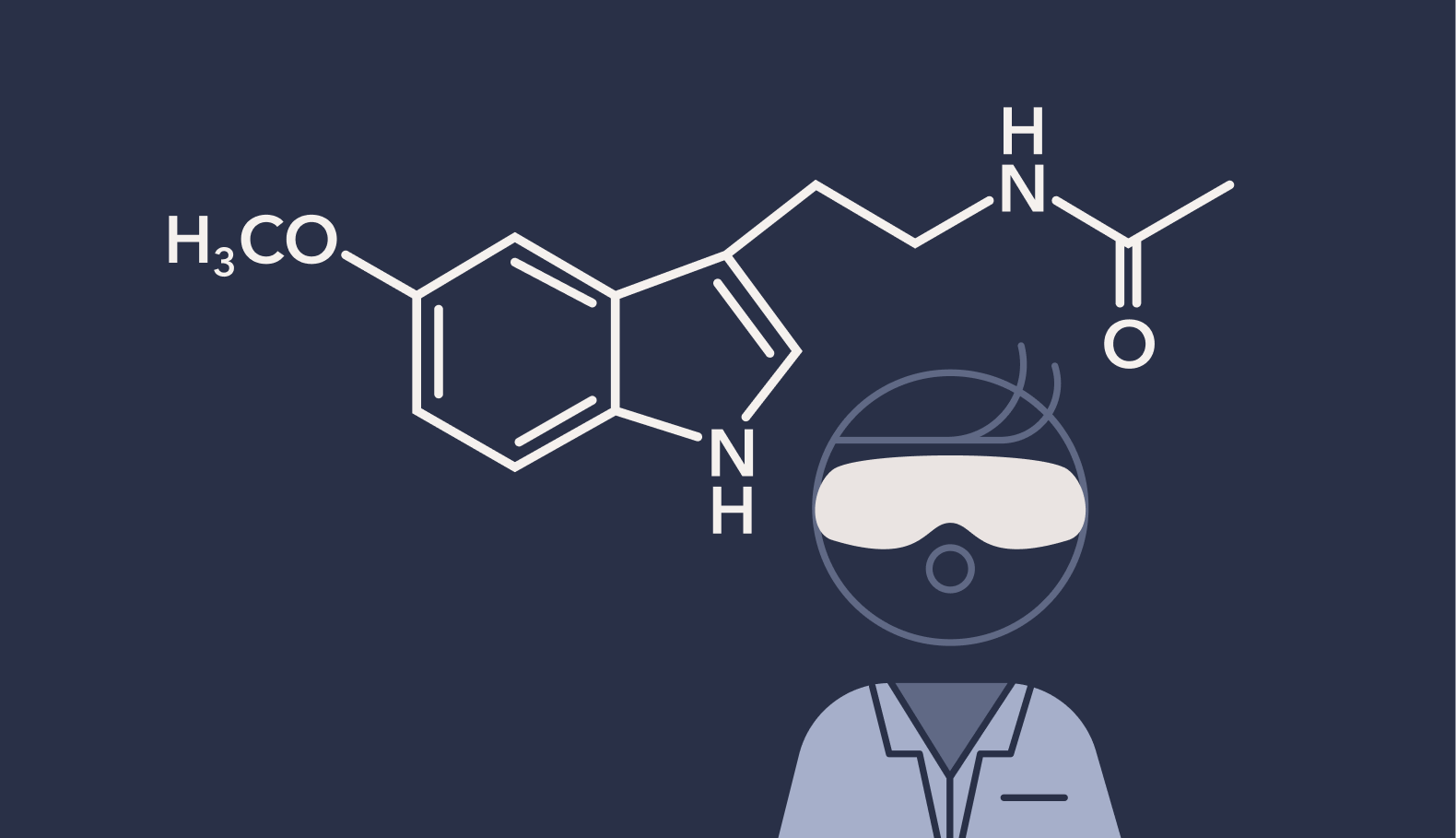
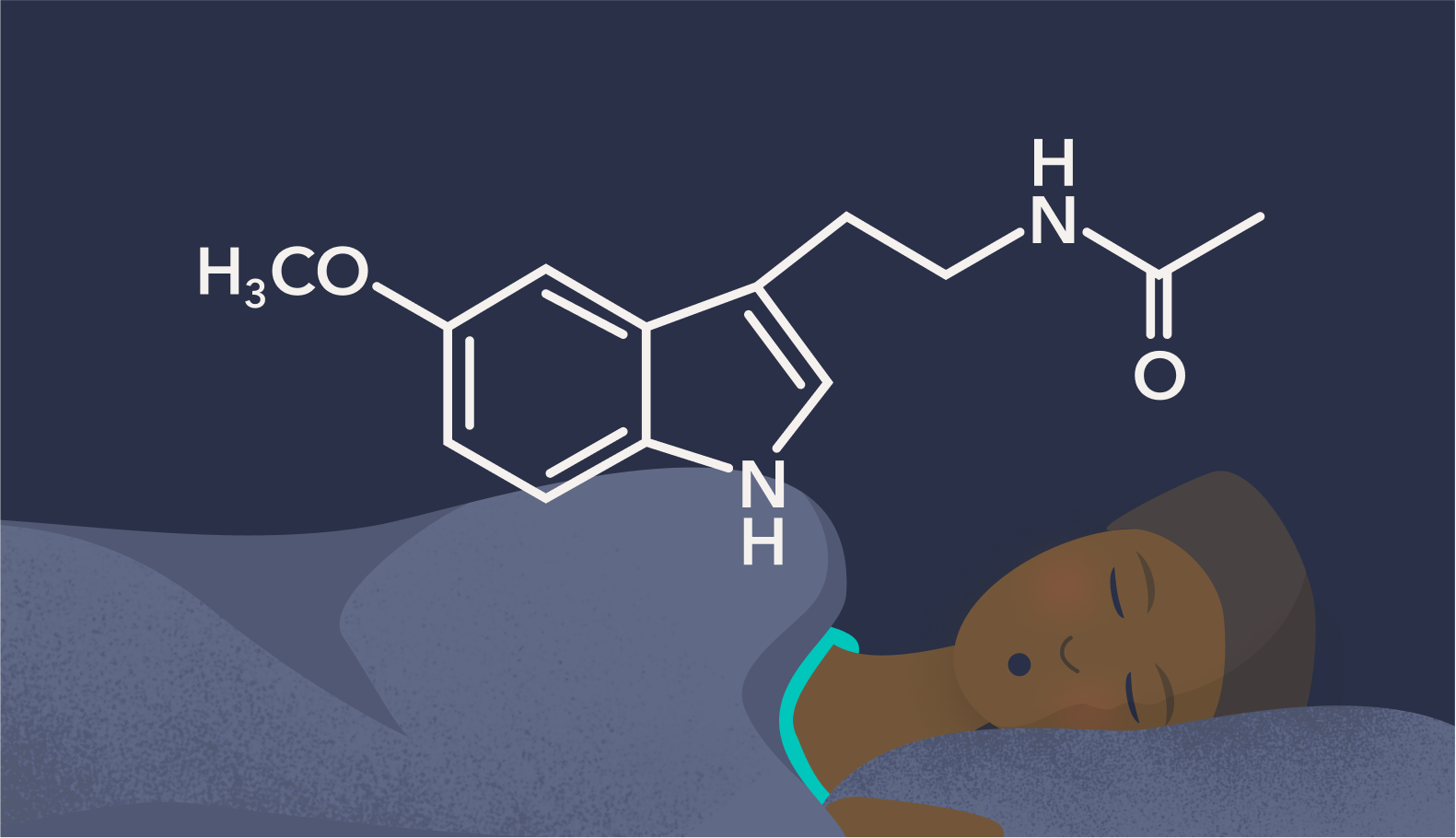
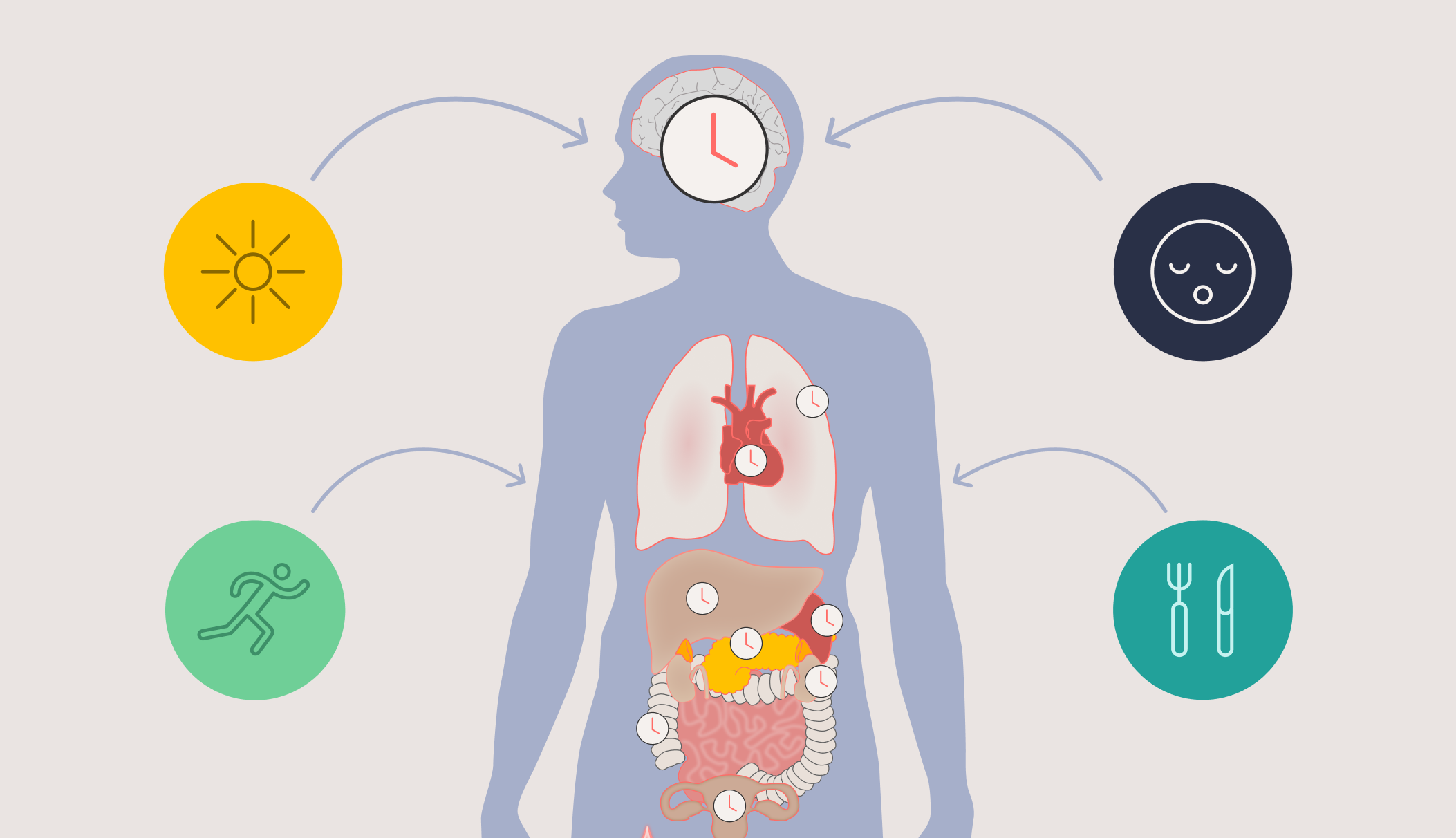
Most people think of melatonin as a sleeping pill. It isn't. Melatonin is the hormone that signals 'night' to the brain — and importantly, this is true regardless of whether the species is awake or asleep at night. Rats release melatonin at night but are active then. The signal is about biological time, not sleep itself.
In humans, melatonin release begins about 2–3 hours before sleep onset and is one of the most reliable markers of circadian phase. When taken as a supplement at the right time and in the right dose, exogenous melatonin can do two things: help shift the timing of the circadian clock, and help promote sleep at a time the brain wouldn't otherwise be primed for it.
Why timing matters more than dose
The most common mistake with melatonin is treating it like a sleep aid and taking large doses at bedtime. For circadian shifting, what matters is *when* melatonin is taken relative to the body's internal clock — not how much.
Taken at the wrong time, melatonin can shift the clock in the wrong direction, making jet lag or shift work adaptation worse rather than better. The right type, dose, and timing depend on the individual's chronotype, sleep pattern, and the direction and magnitude of the shift required.
Performance applications
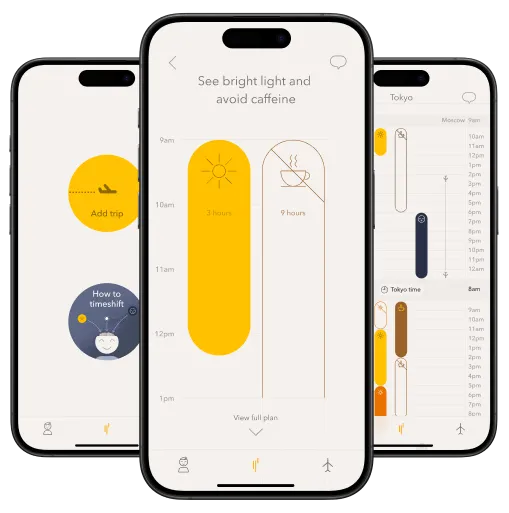
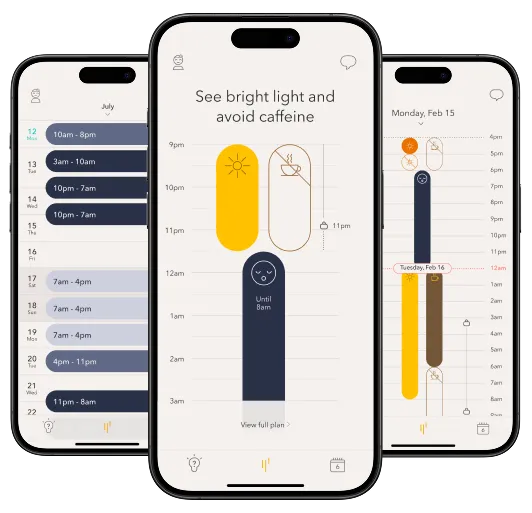
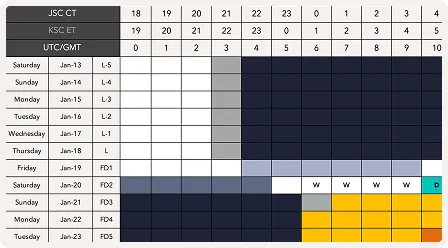
For athletes traveling across time zones, melatonin can accelerate circadian adaptation when timed correctly — particularly when used alongside properly timed light exposure and avoidance. For shift workers and athletes with disrupted schedules, melatonin can help support sleep during the biological day, when the brain isn't naturally primed for it.
Melatonin works best as one tool in a broader circadian strategy that includes light, sleep timing, and caffeine. It is not a substitute for proper light management, which remains the most powerful tool for resetting the circadian clock.
A key practical point: melatonin should be used in consultation with a physician, particularly for athletes who may be subject to sport-specific supplement regulations.