

Circadian rhythms and injury risk
Injury isn't just a training-load problem
Coaches and medical staff track training load, biomechanics, and previous injury history when assessing injury risk. One factor that's often missing: the athlete's circadian state.
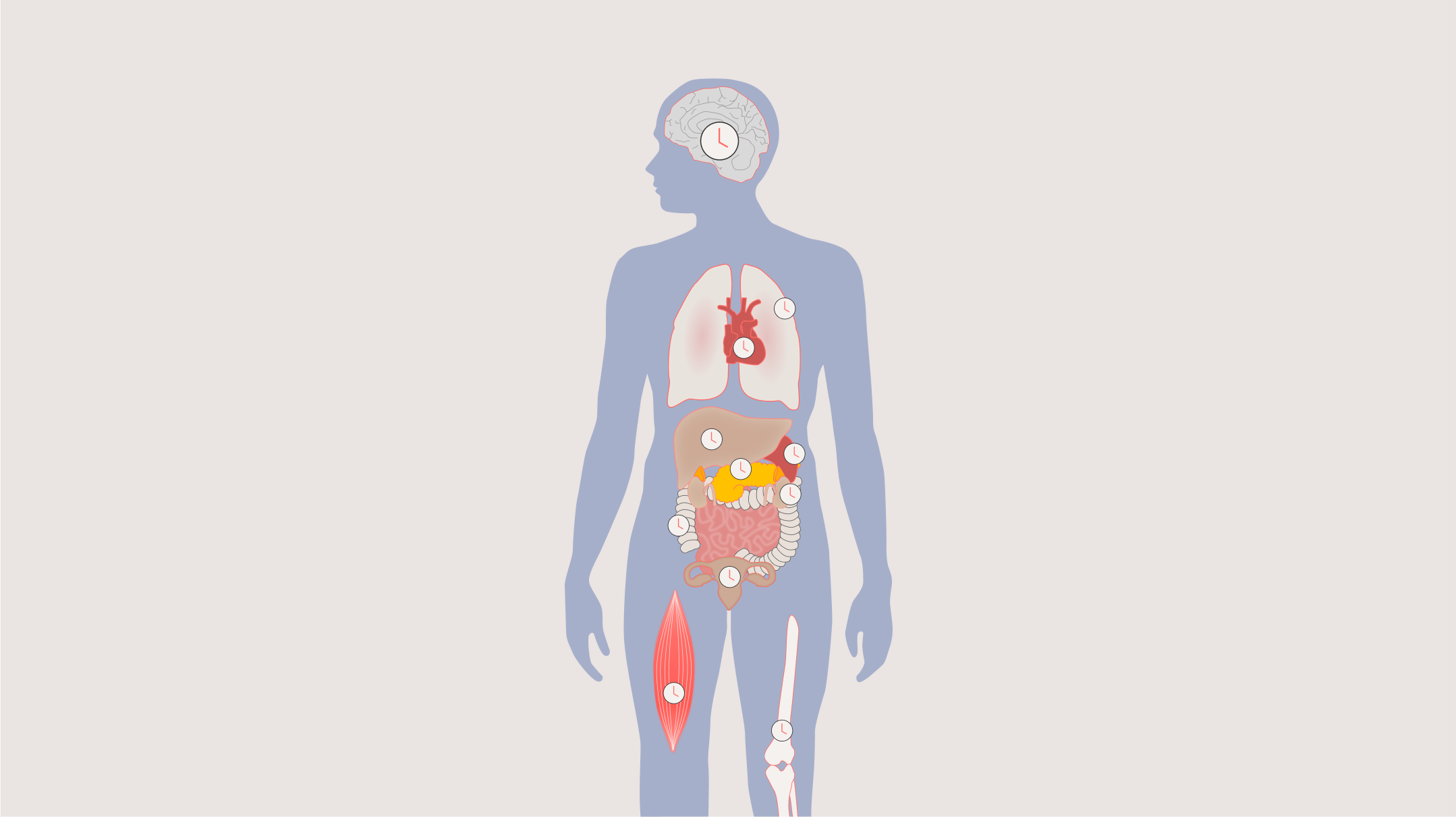
Sleep loss and circadian misalignment affect almost every physiological system relevant to injury — including reaction time, neuromuscular coordination, decision-making, alertness, and tissue recovery. When these systems are working below baseline, the risk of acute injury rises and the body's ability to recover from training stress declines.
What the science shows
A landmark study found that adolescent athletes sleeping fewer than eight hours per night were 1.7 times more likely to suffer an injury (Milewski et al., 2014). Reaction time, sprint speed, and accuracy all degrade with sleep restriction, and the deficits compound across consecutive nights of short sleep.
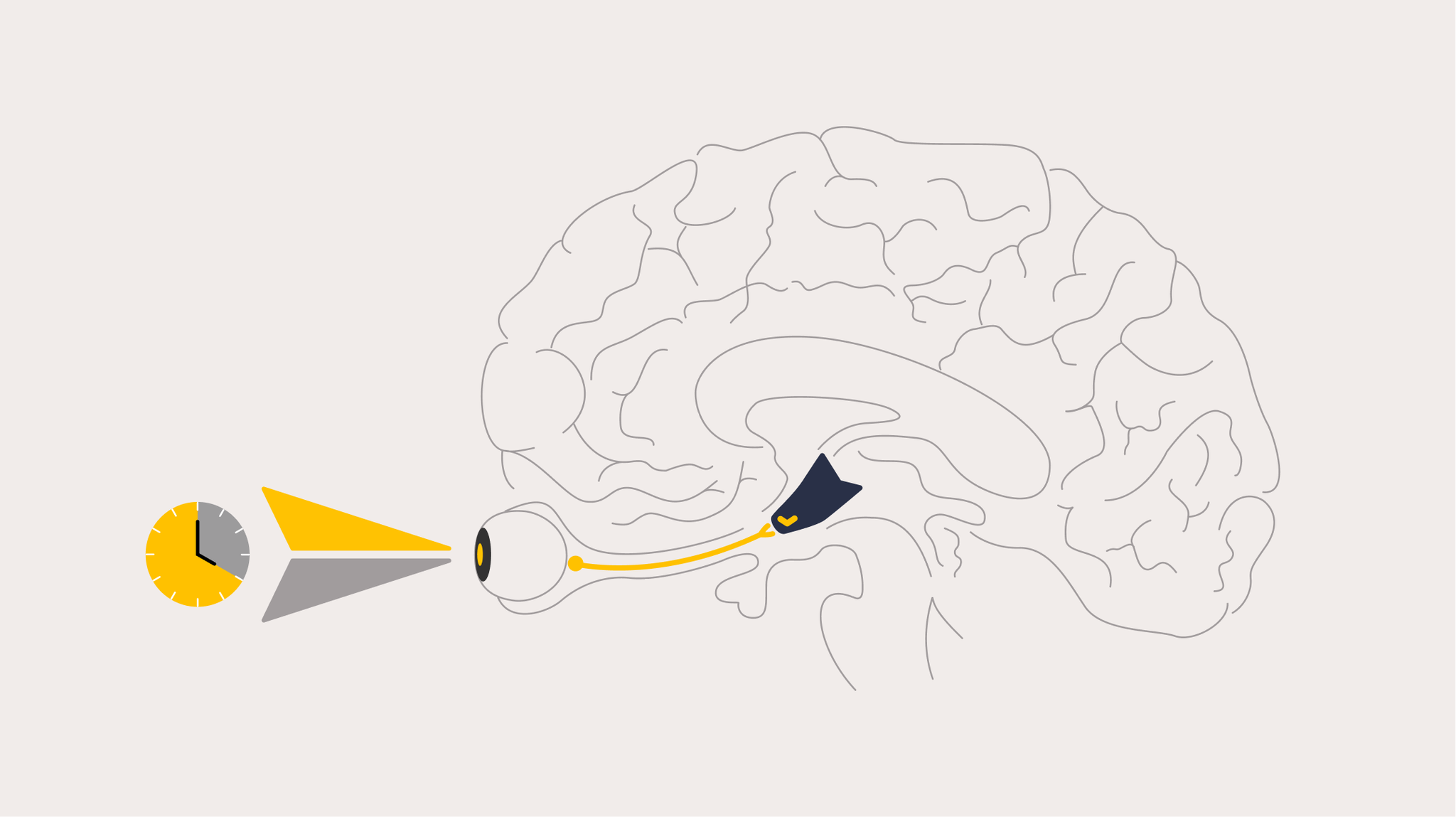
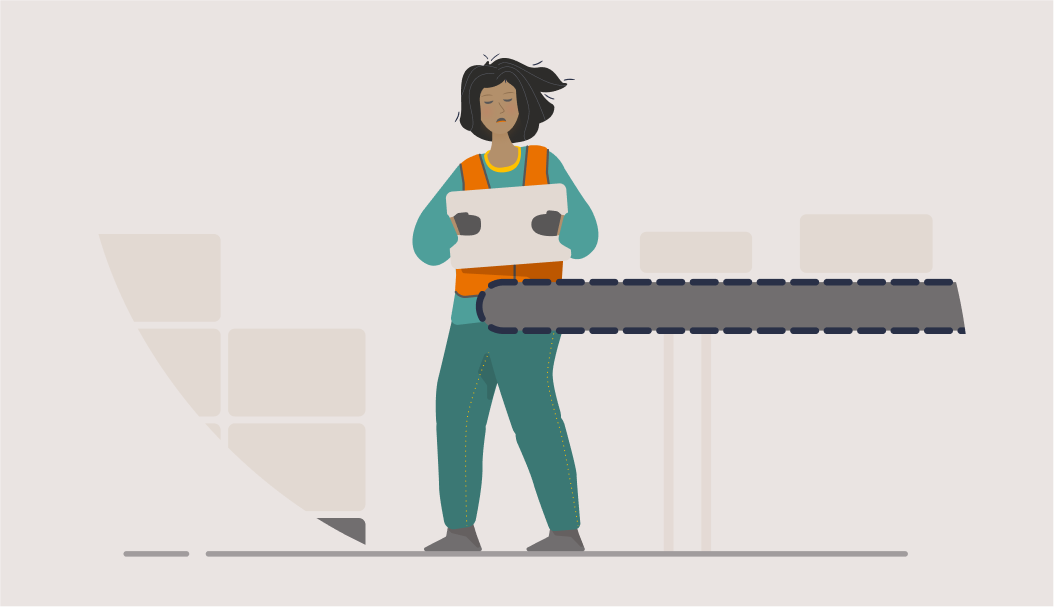
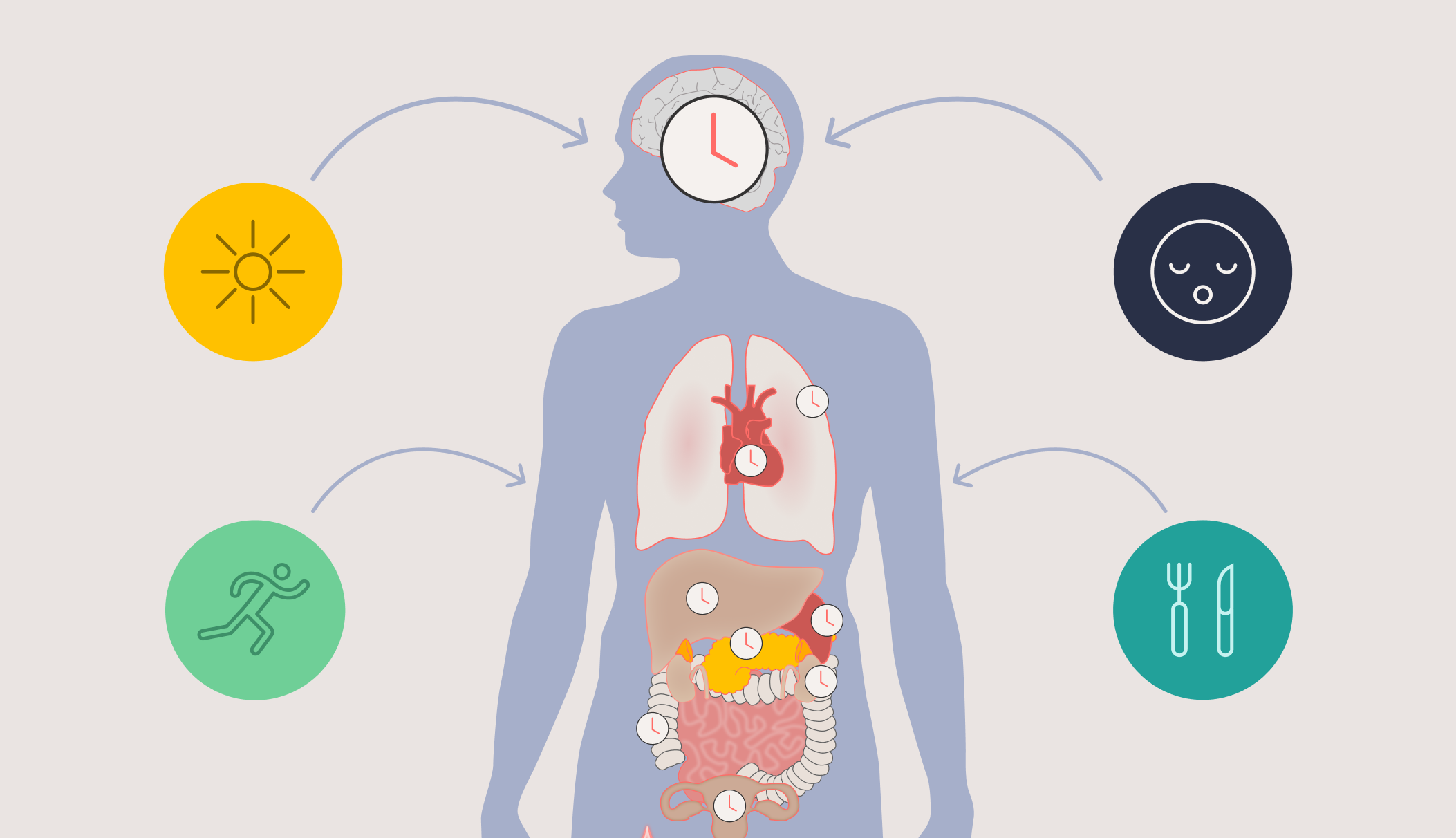
Circadian misalignment introduces additional risk. Strenuous effort shortly after waking — when alertness, reaction time, and muscle performance are all at their daily low — is physiologically less efficient and increases the risk of accidents and injury. Travel across time zones compounds the problem: when the internal circadian clock is out of sync with the local schedule, reaction time and decision-making are impaired in ways that can directly translate to mistakes on the field.
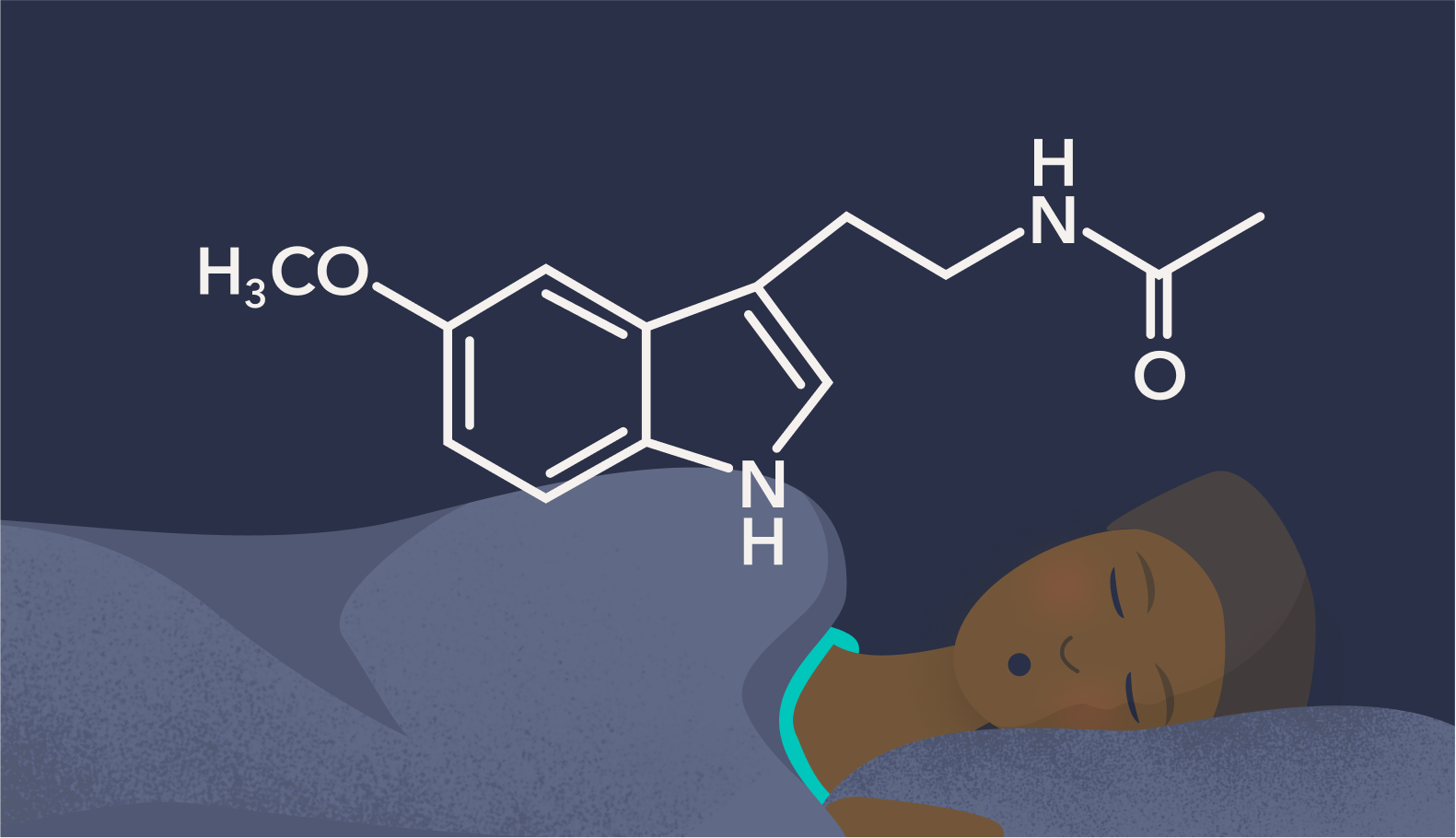
Recovery is also circadianly gated. Sleep is the most circadian-dependent behavior in human biology, and growth hormone secretion, muscle protein synthesis, and tissue repair all peak during specific sleep stages. Misaligned sleep — eight hours on a shifted schedule — doesn't produce the same restorative benefit as eight hours aligned with the body's circadian phase.
What it means for teams
Injury prevention isn't only about training load and biomechanics. It also includes how well the athlete's internal clock is aligned to the demands of competition and travel — and whether sleep is happening at the right time, not just for the right number of hours.